 Aero Academic
Aero Academic
Aero Academic
Explore 42 interactive 3D visual study plates, video decoders, and scenario trap breakdowns covering Aerodynamics, Aircraft Systems, Meteorology, Human Factors, and Helicopter Dynamics. Click any plate to view high-res infographics, aerodynamic physics, and CASA/FAA exam trap alerts.
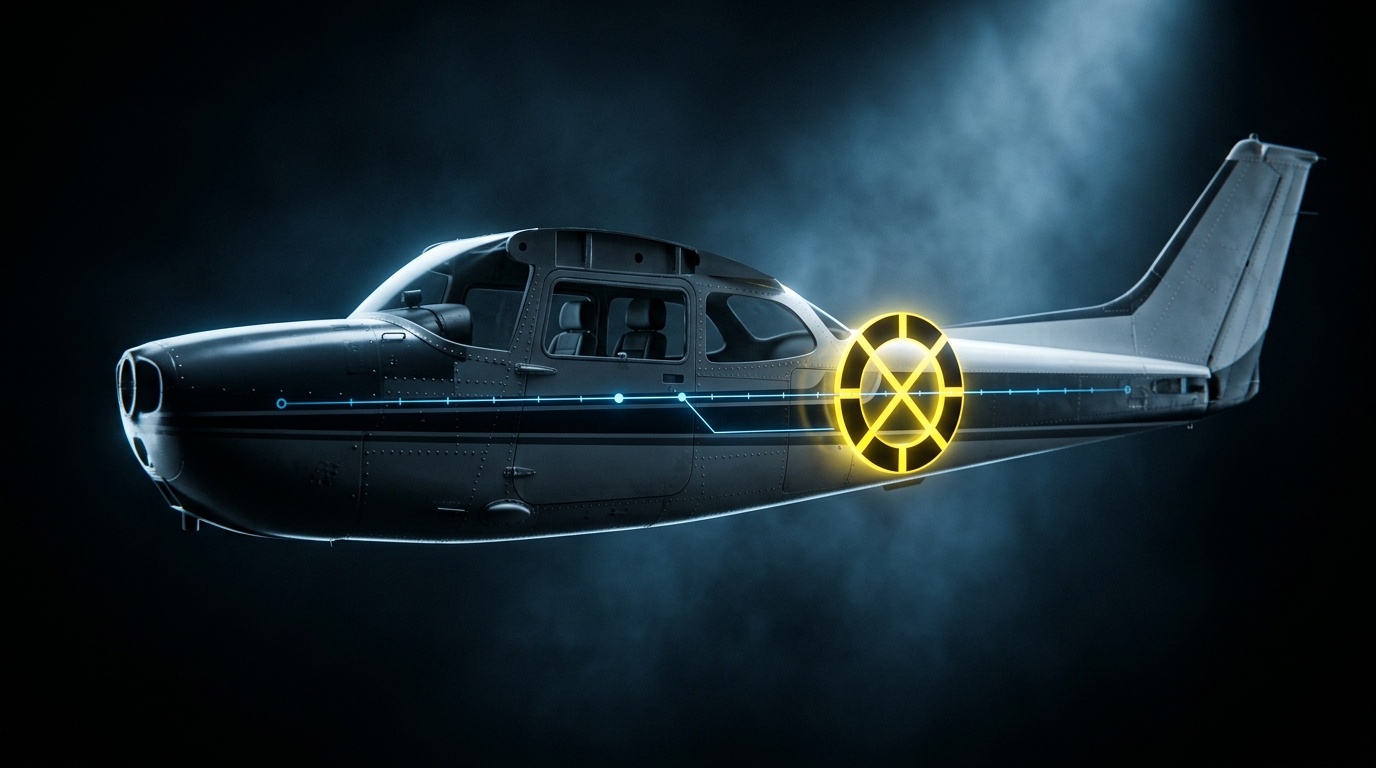
An aft center of gravity reduces elevator control authority, decreases stall speed artificially, but renders stall recovery extremely difficult or impossible due to reduced tail down force arm.
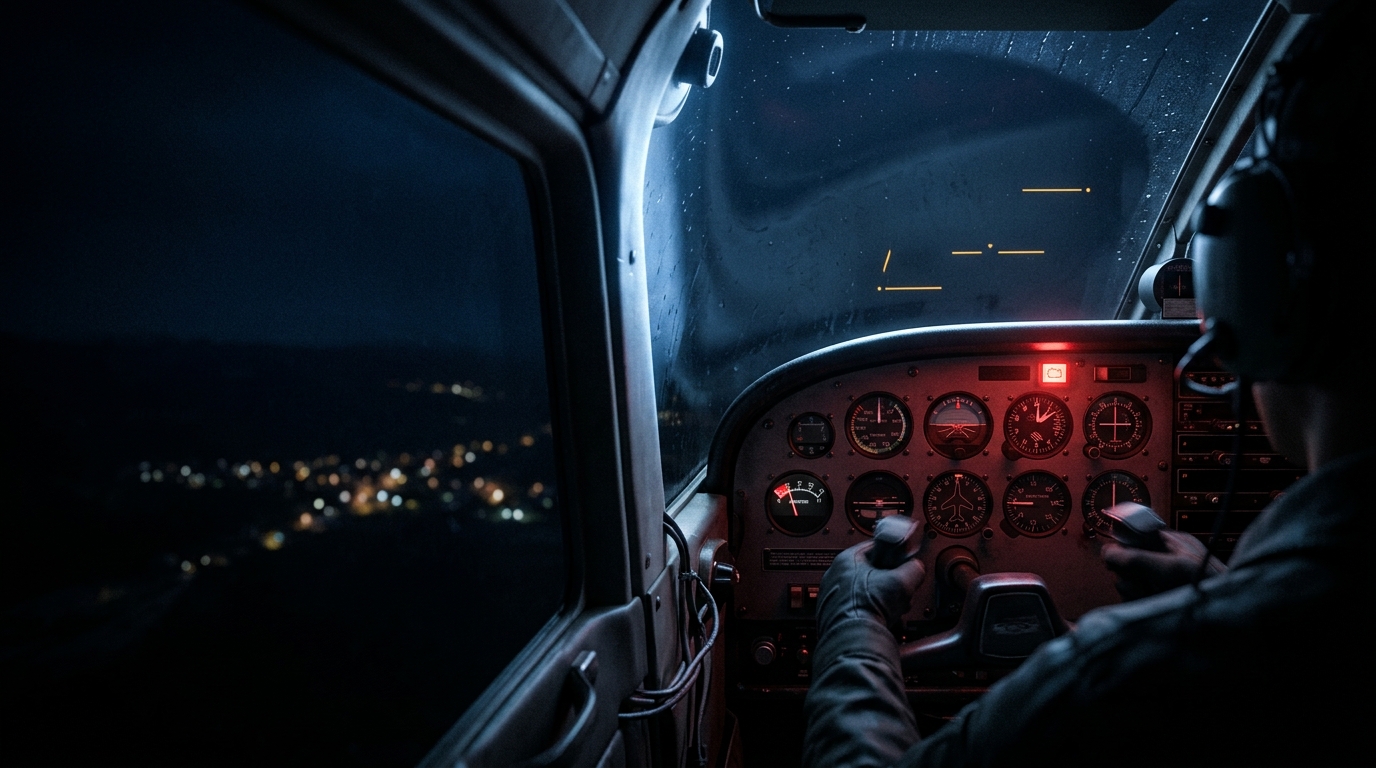
Immediate electrical load shedding protocol when the ammeter shows negative charge or the ALT WARN light illuminates during night flight.
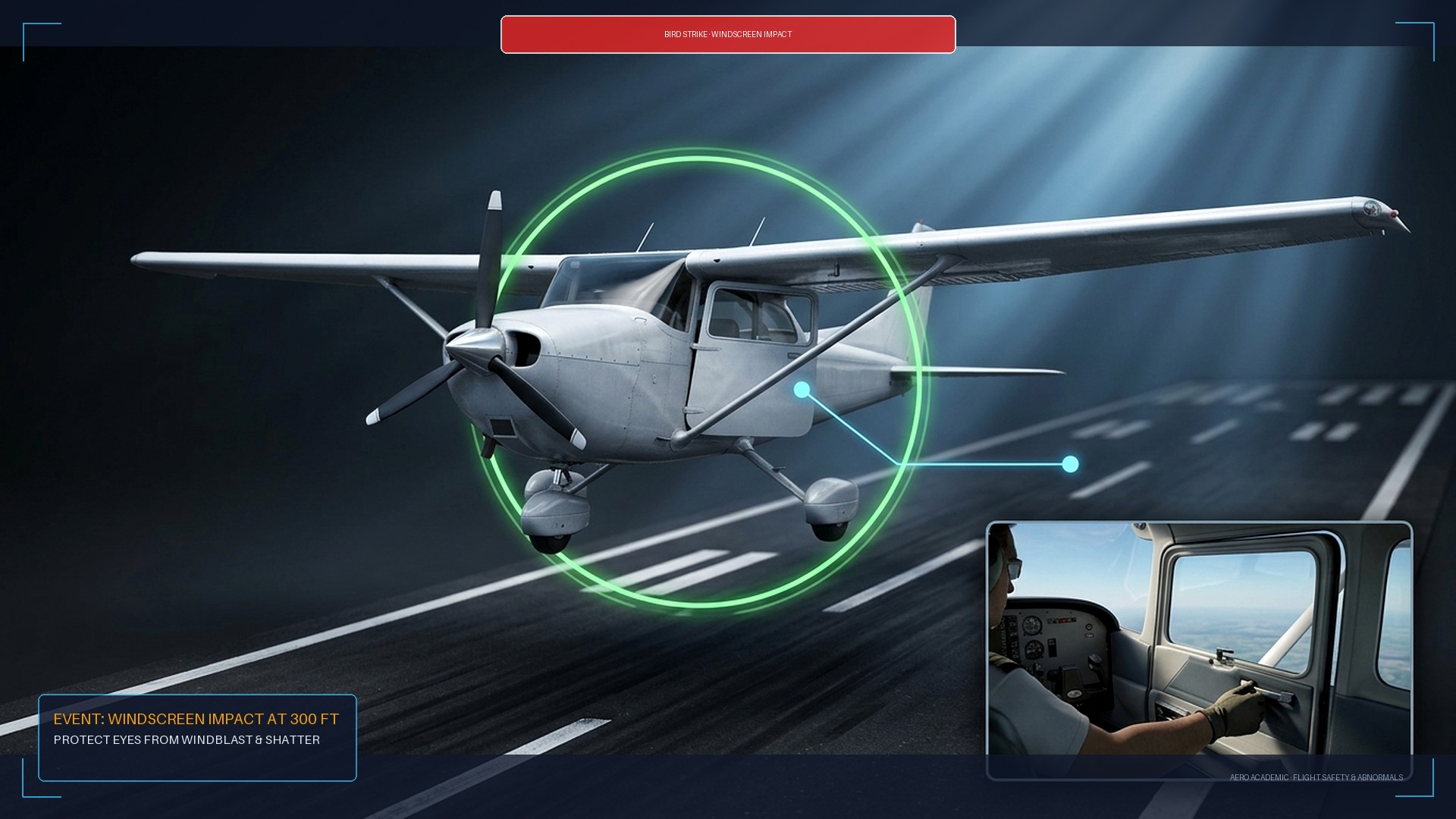
Immediate flying priorities, airspeed limits, ocular injury protection, and ATC assistance following bird penetration of the windshield.
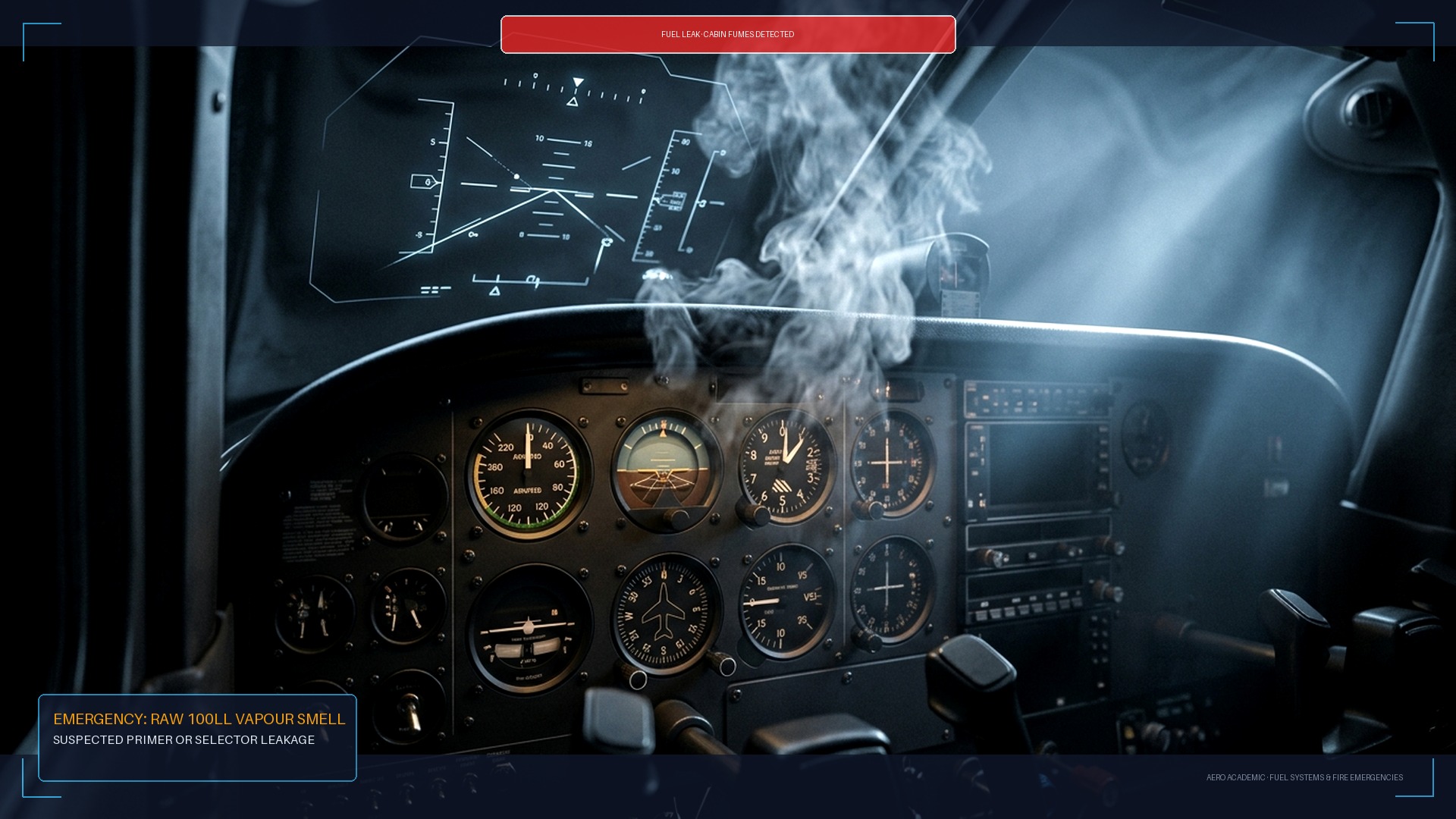
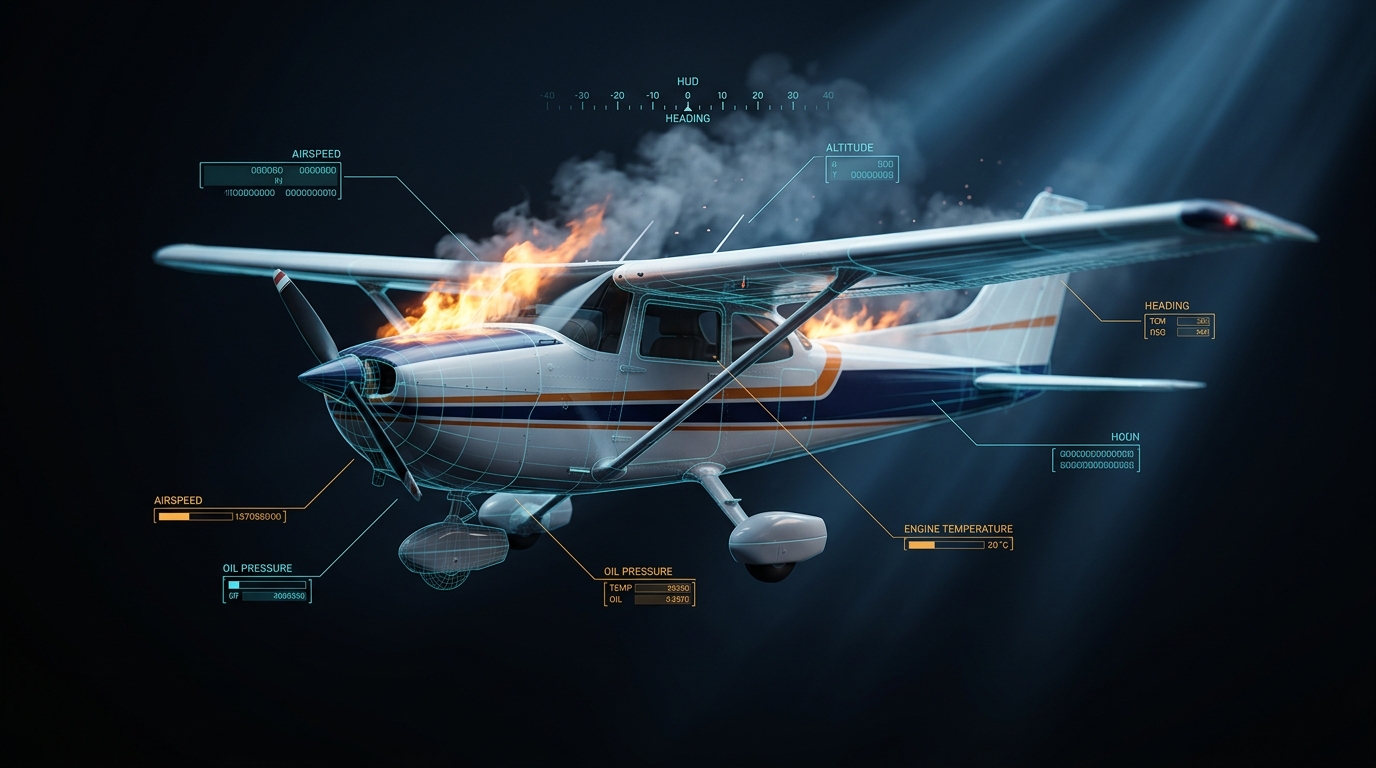
Diagnosing vapor vs liquid fuel leaks in the cabin, electrical spark isolation, and precautionary landing execution.
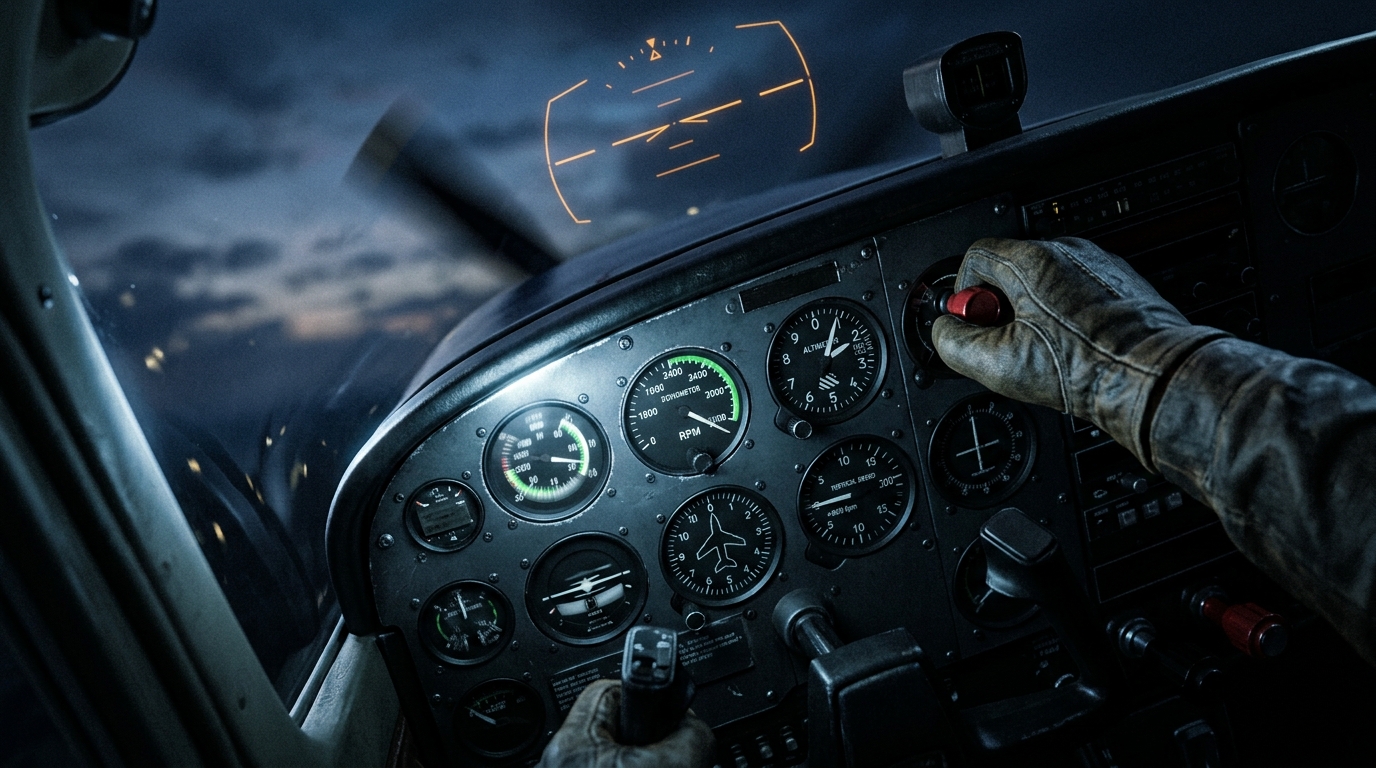
Applying hot, un-filtered air into the engine during takeoff or climb reduces air density, enriches the fuel-air mixture, drops manifold pressure, and significantly degrades climb performance.

ANDS (Accelerate North, Decelerated South) and UNOS (Undershoot North, Overshoot South) magnetic dip errors explained.
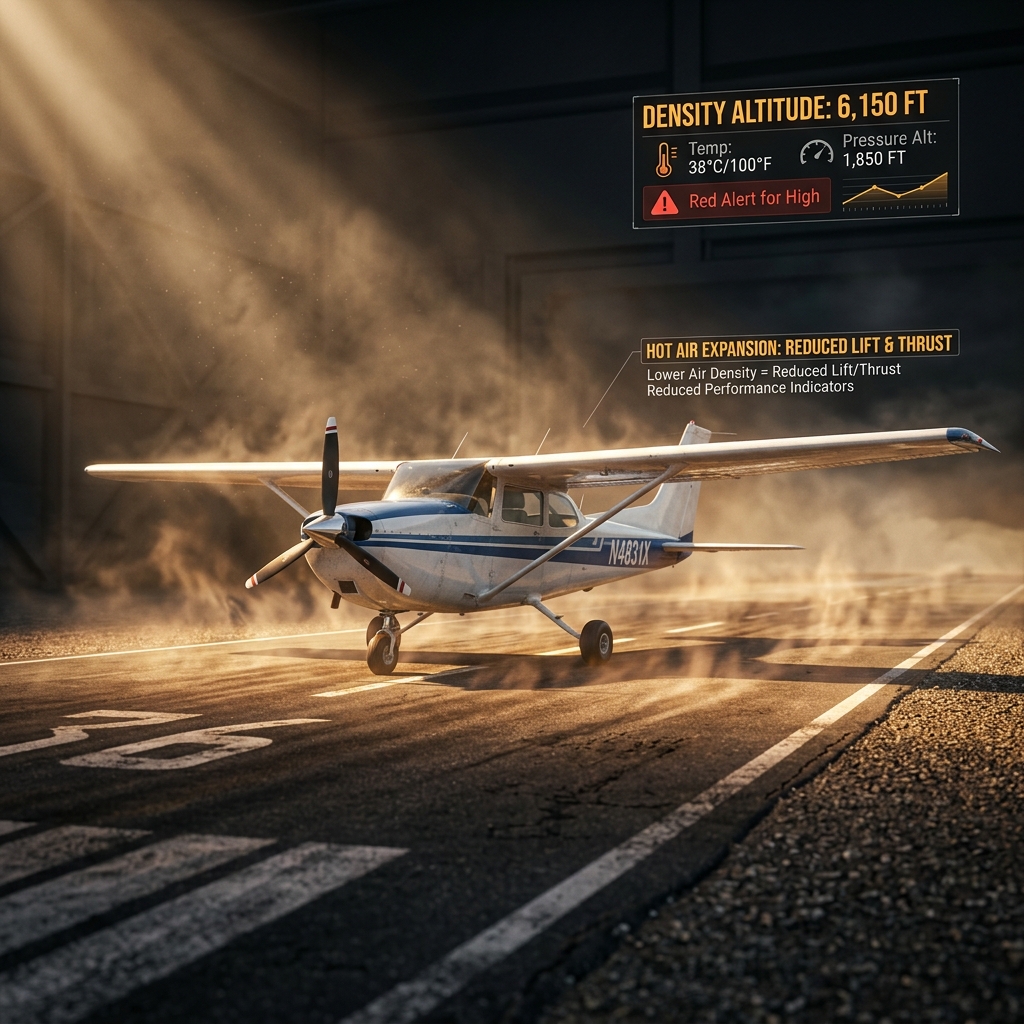
High pressure altitude, high temperature, and high humidity decrease air density, increasing takeoff roll and reducing rate of climb.
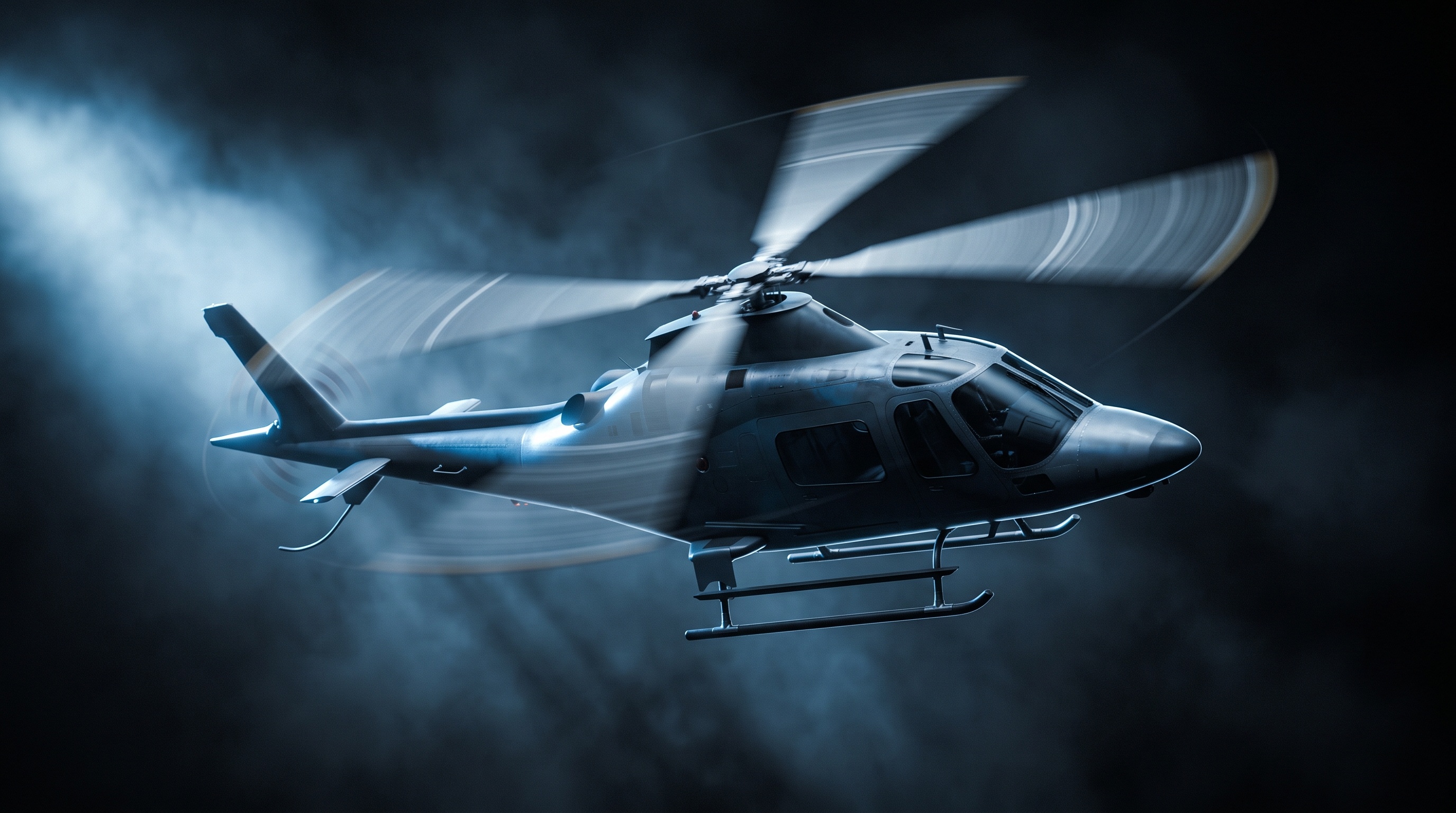
How automatic blade flapping and cyclic feathering compensate for differential airspeed between advancing and retreating blades in forward flight.
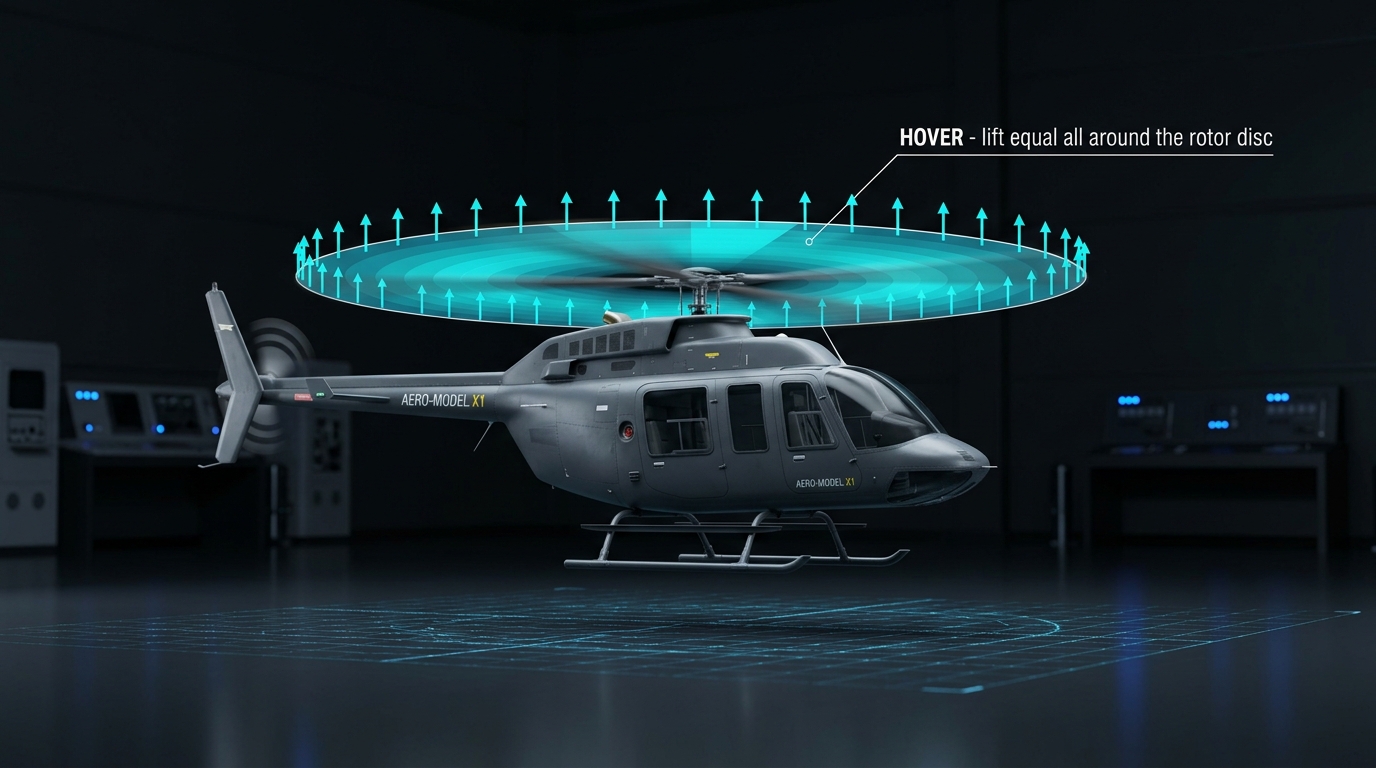
Differential relative wind between advancing and retreating rotor blades in forward flight, creating left-roll tendency at high airspeed.
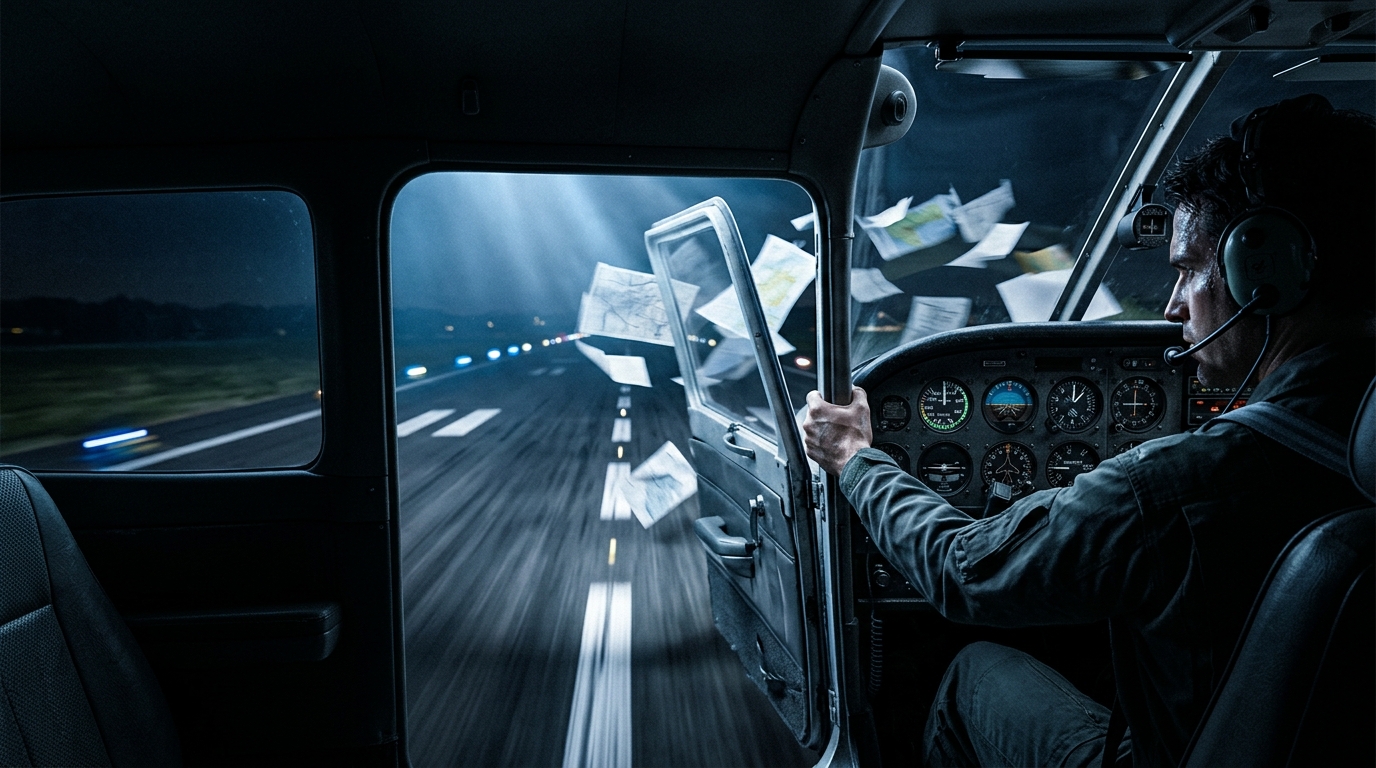
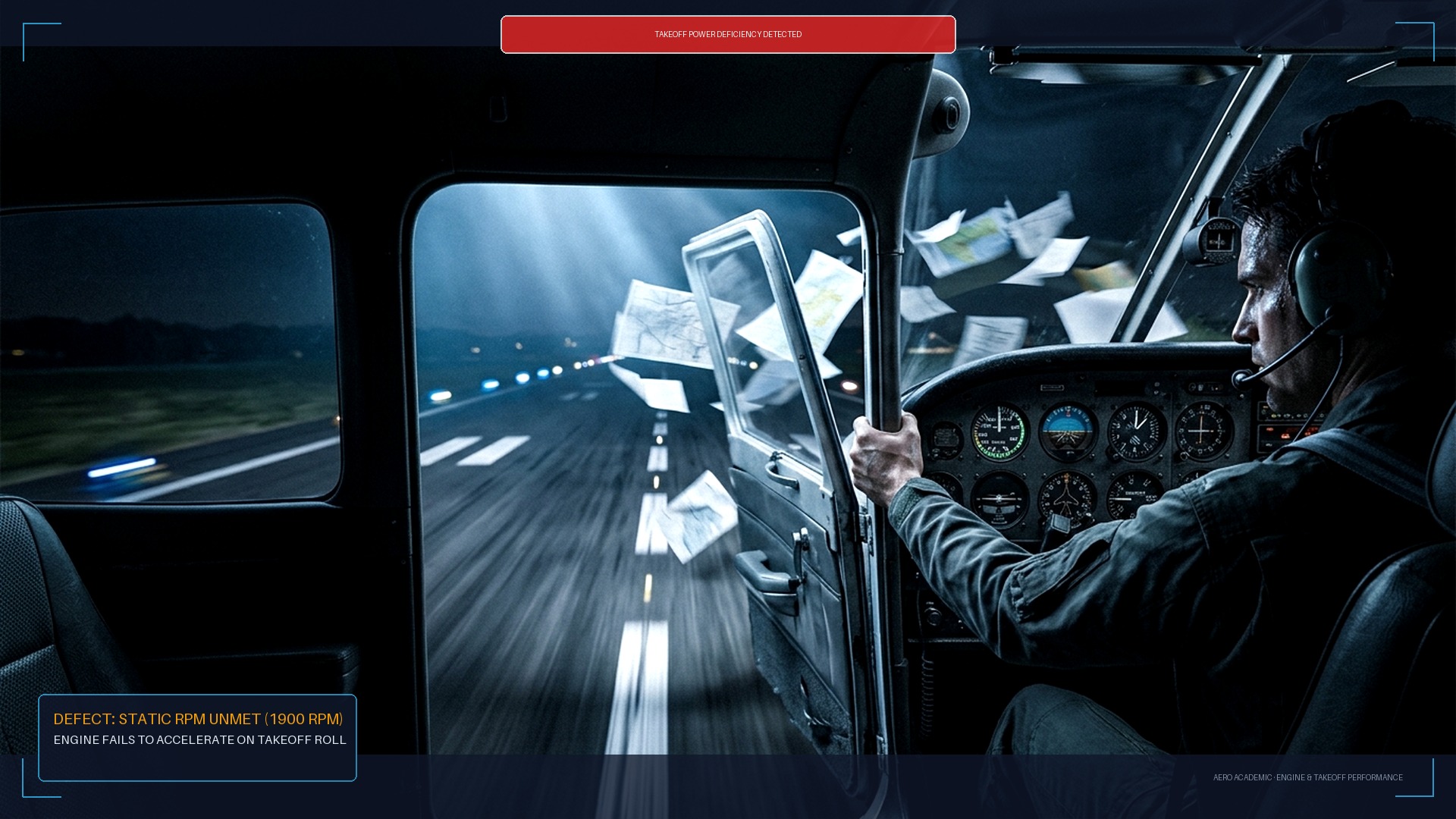
Decision matrix: aborting takeoff below rotation vs flying the airplane first, maintaining altitude, and securing the door at safe altitude.
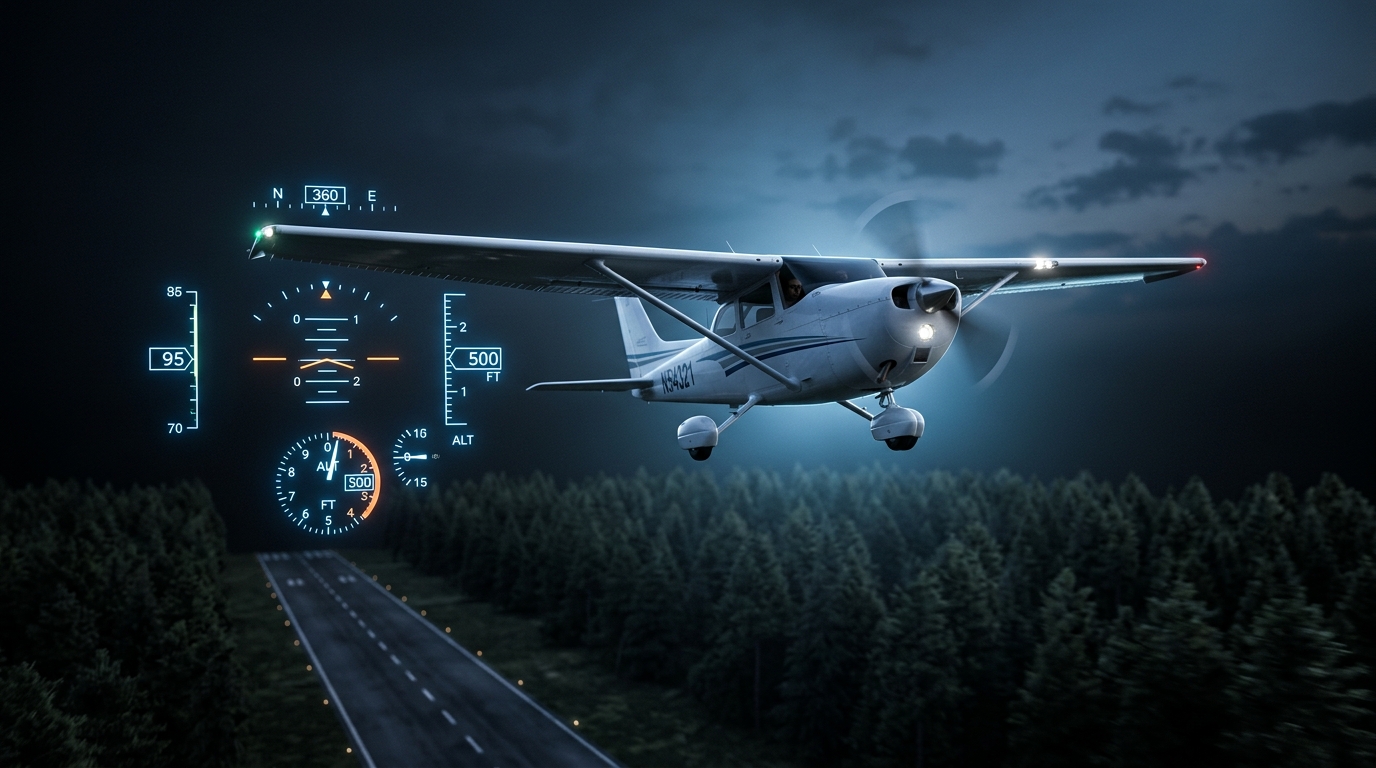
Immediate pitch attitude adjustment to best glide (V_BG), check fuel selector/carb heat/switches, and select landing area within 30° cone.
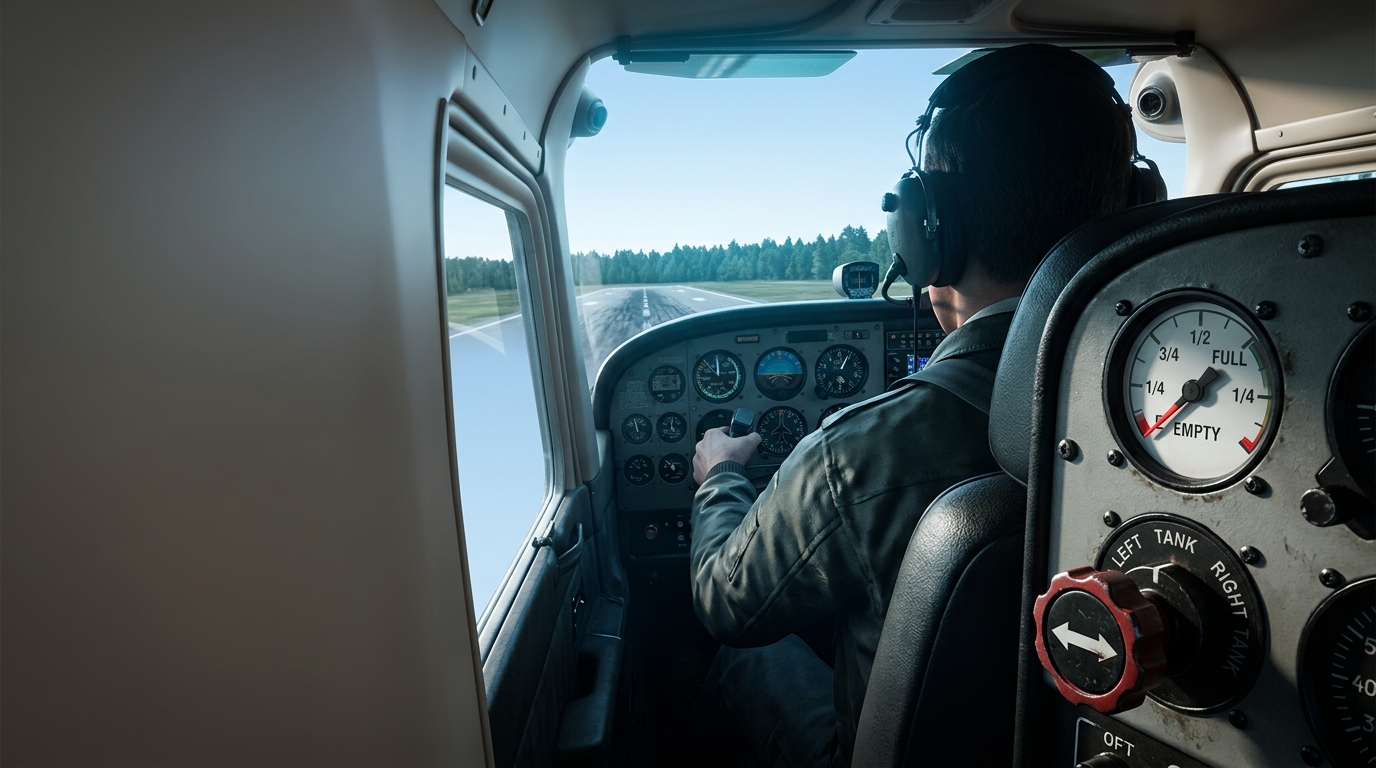
Running a fuel tank dry during cruise flight, un-porting during slip maneuvers, and electric fuel pump boost procedure.
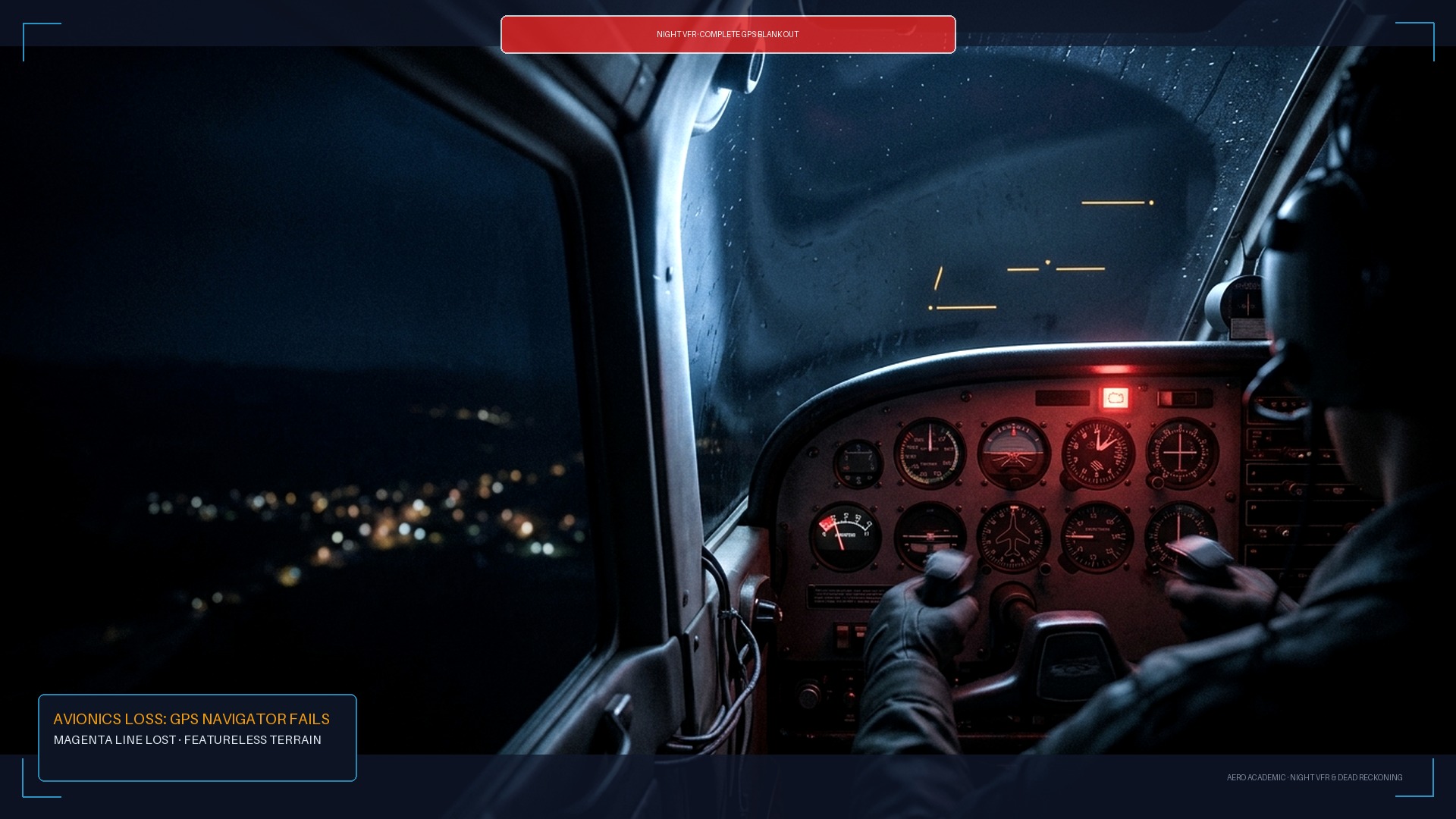
Immediate transition to standby mechanical instruments, paper/tablet backup, VOR/NDB raw data, and pilotage at night.
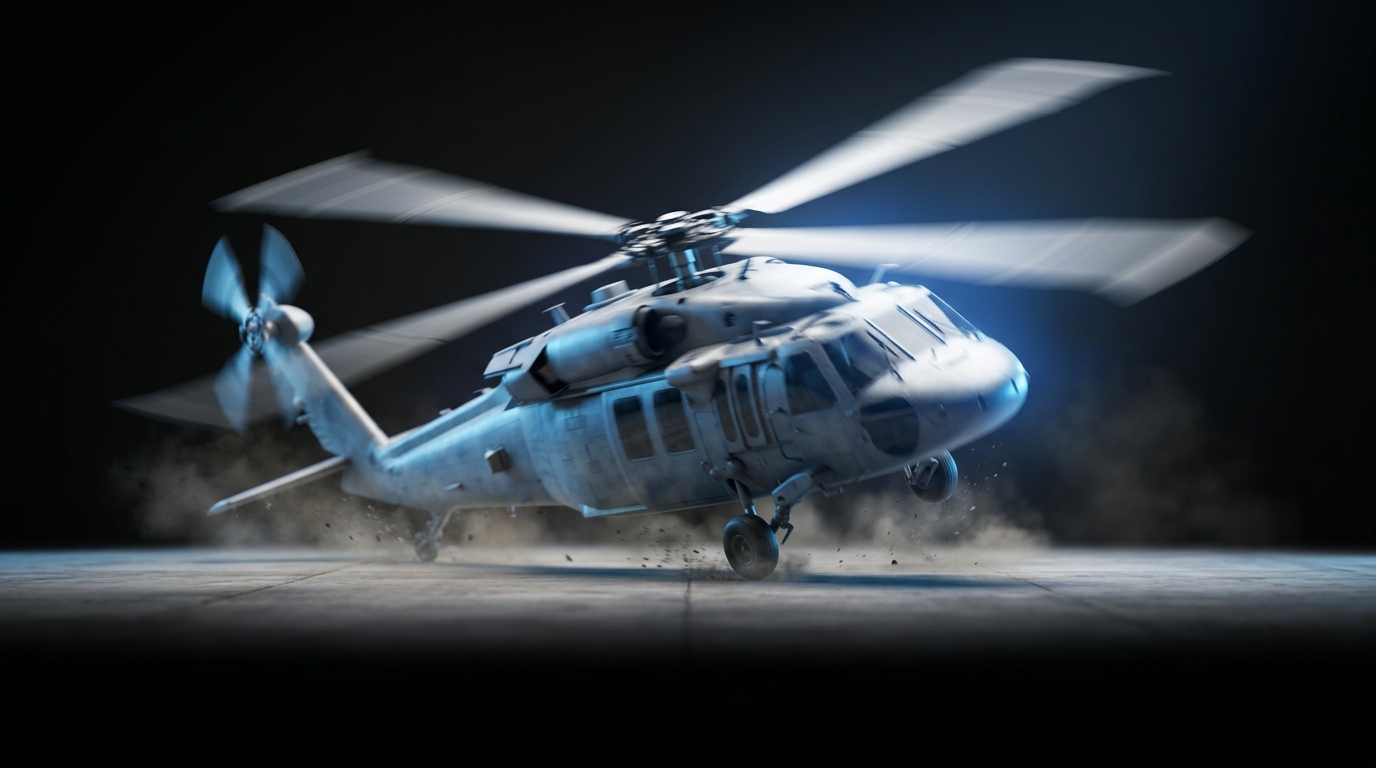
Self-exciting destructive oscillation on fully-articulated rotor systems when lead-lag dampers fail during hard ground contact.
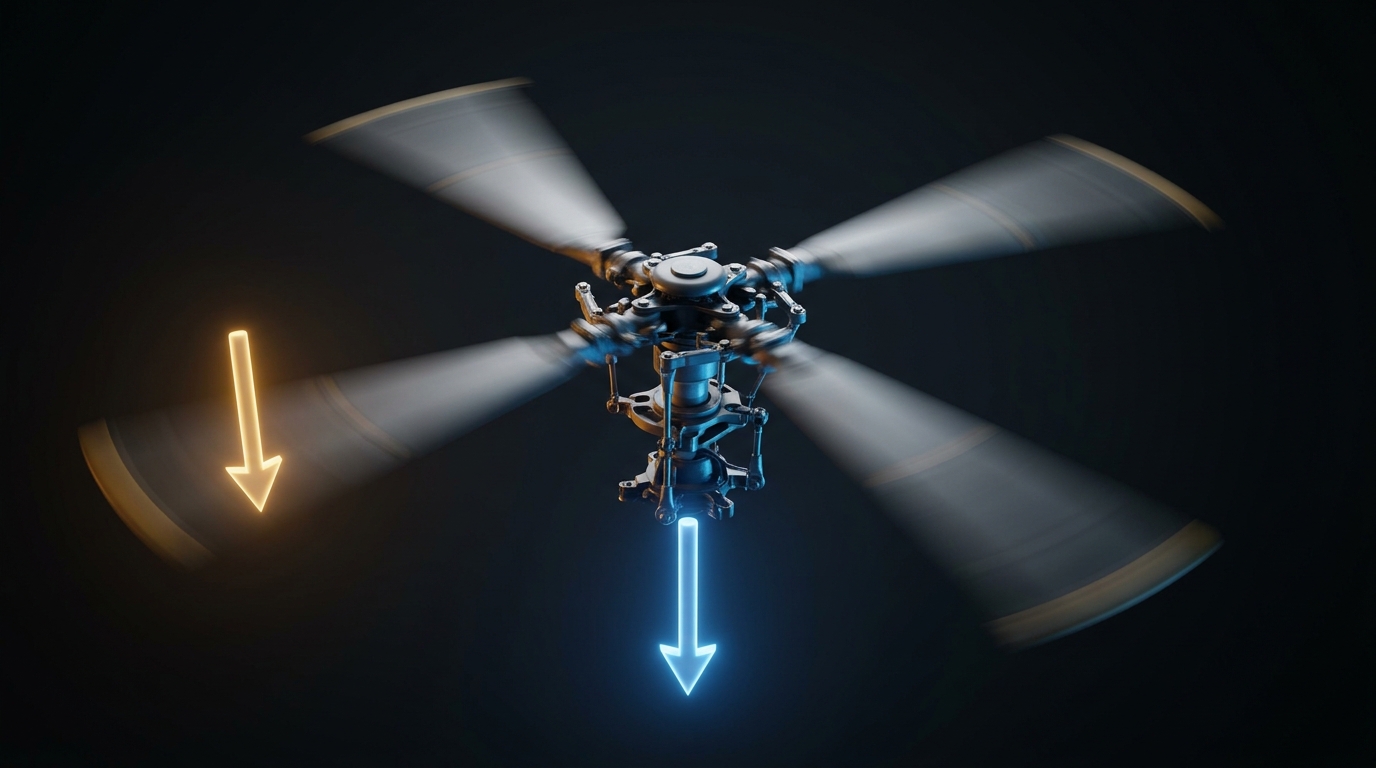
When a force is applied to a spinning rotor blade, the maximum resultant deflection occurs 90° later in the direction of rotation.
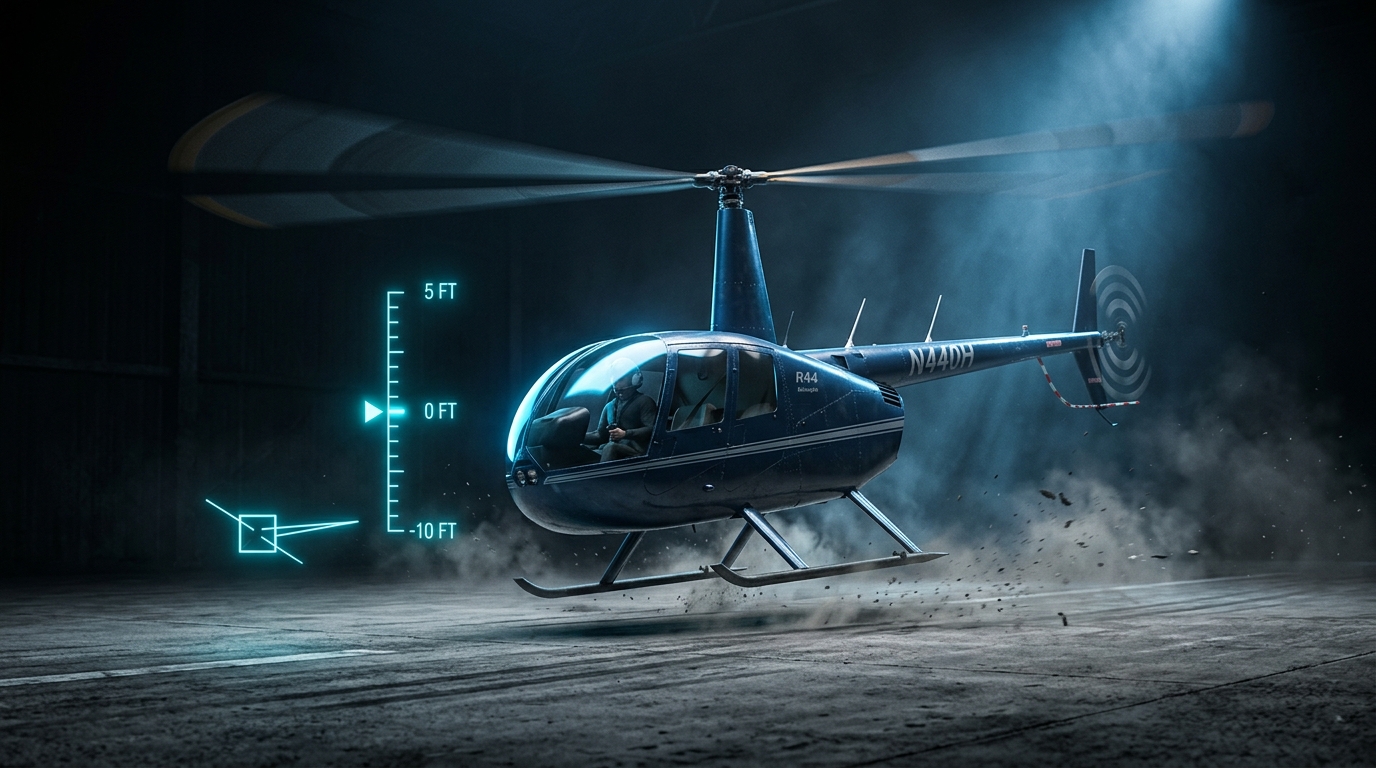
Converting aircraft potential energy (altitude) and kinetic energy (airspeed) into rotor inertia to land safely following engine failure.
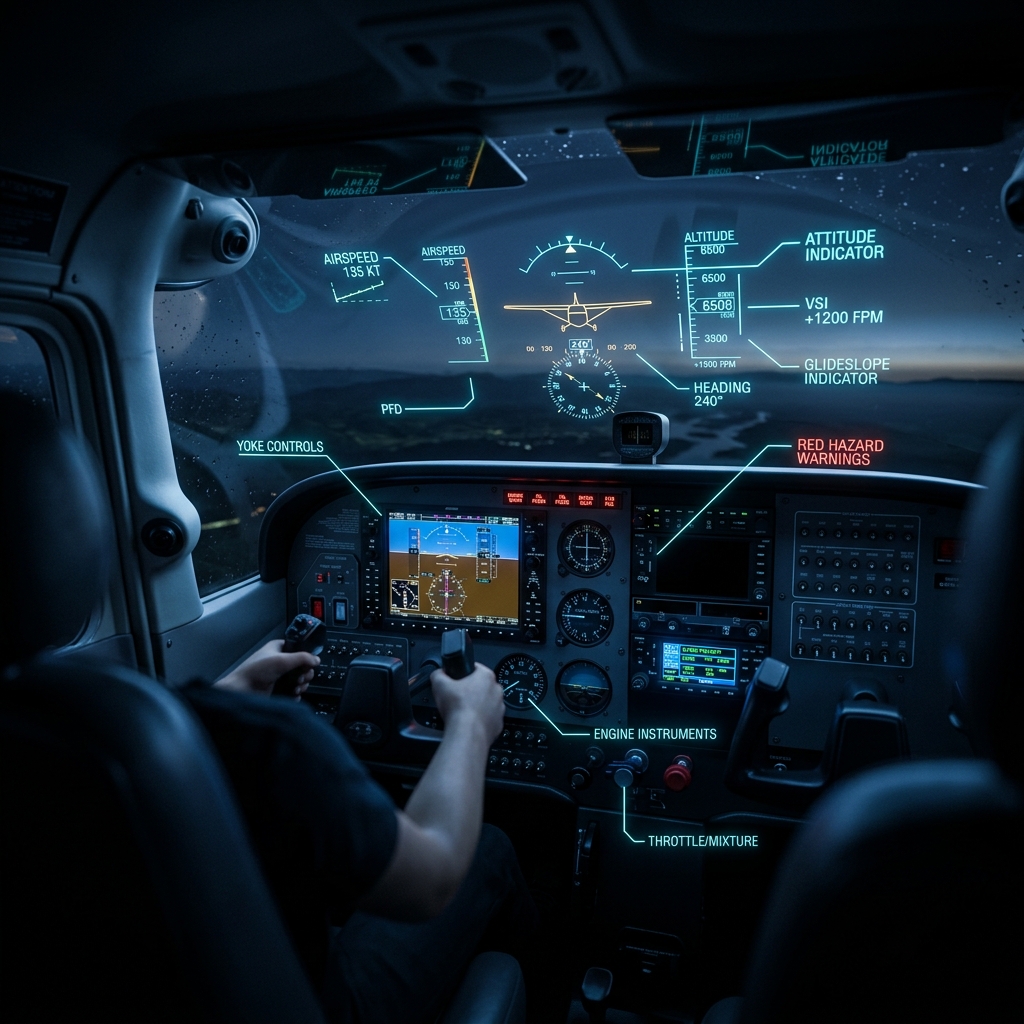
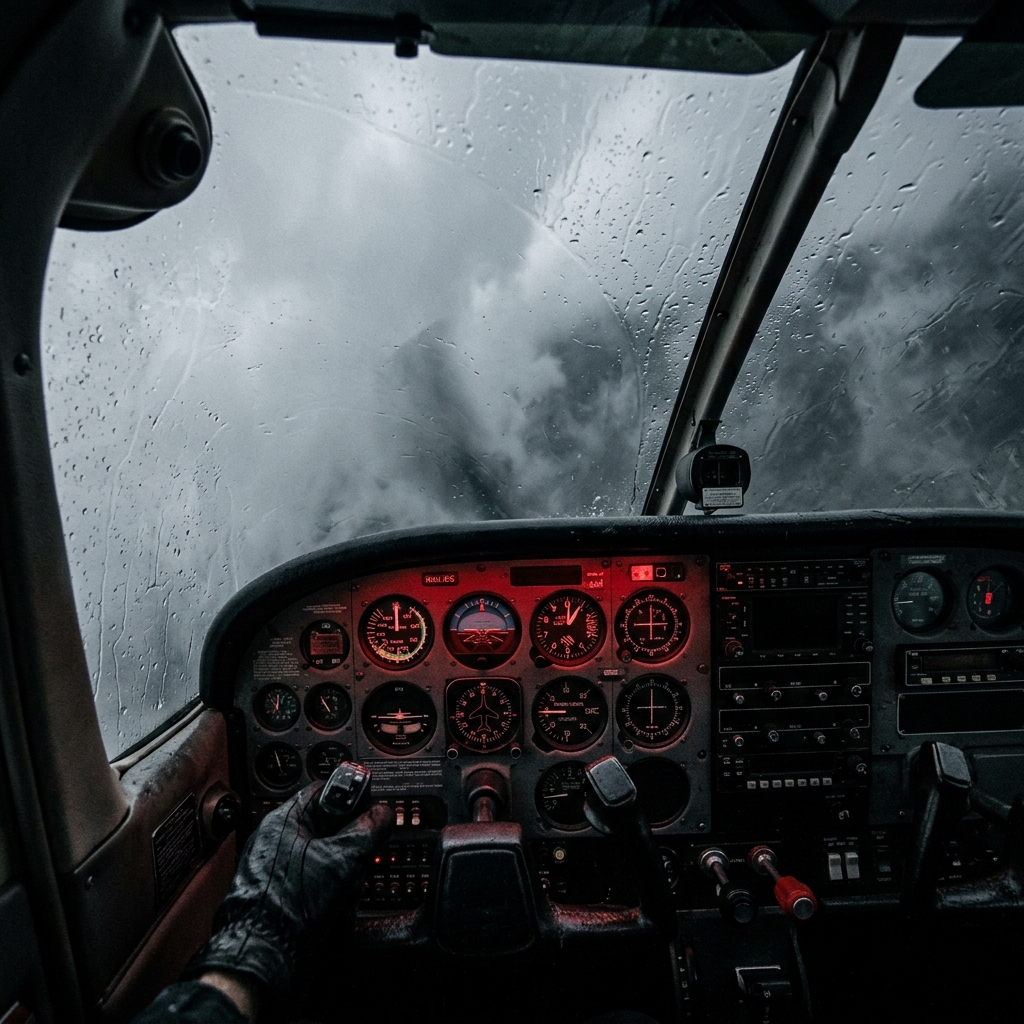
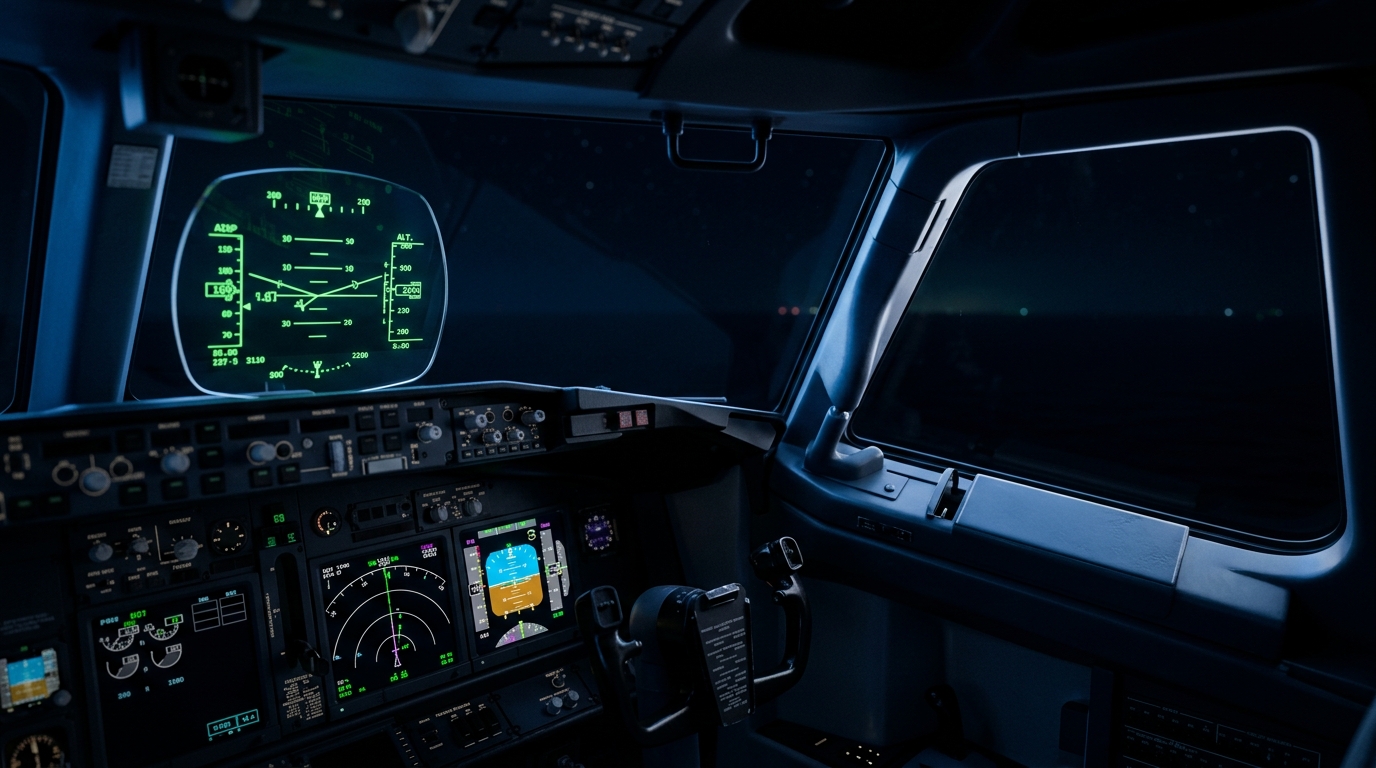


How ambient air temperatures above ISA (+15°C to +35°C) degrade engine thrust, wing lift, and runway safety margins.
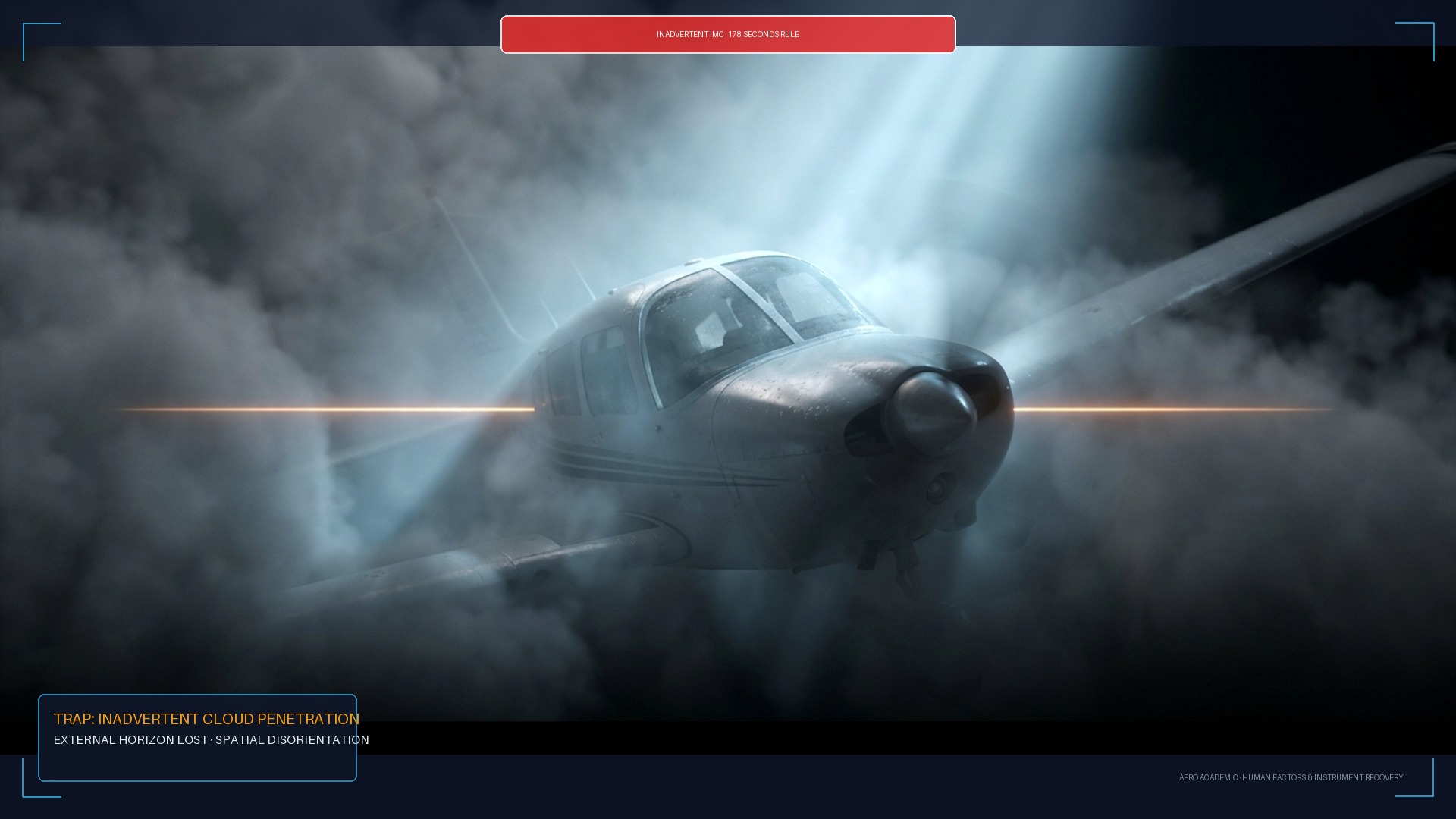
The 178-second spatial disorientation statistical reality when visual contact with the ground horizon is lost in clouds.

Diagnosing a live P-lead ground failure or hot magneto during pre-flight engine run-up checks.

Why aero engines feature two independent magnetos and two spark plugs per cylinder for redundancy and flame-front combustion efficiency.
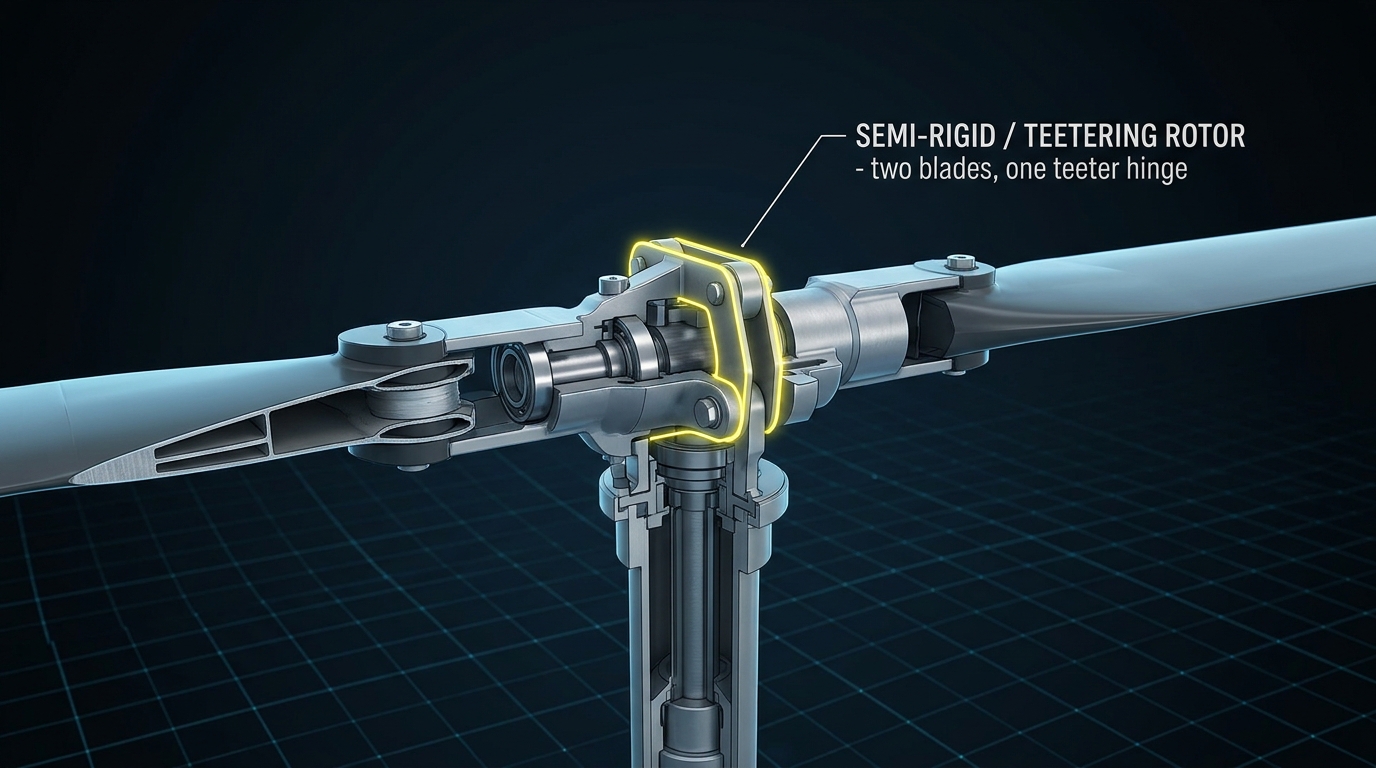
Catastrophic structural contact between rotor hub underslung trunnion and mast during low-G weightless maneuvers on semi-rigid rotors.
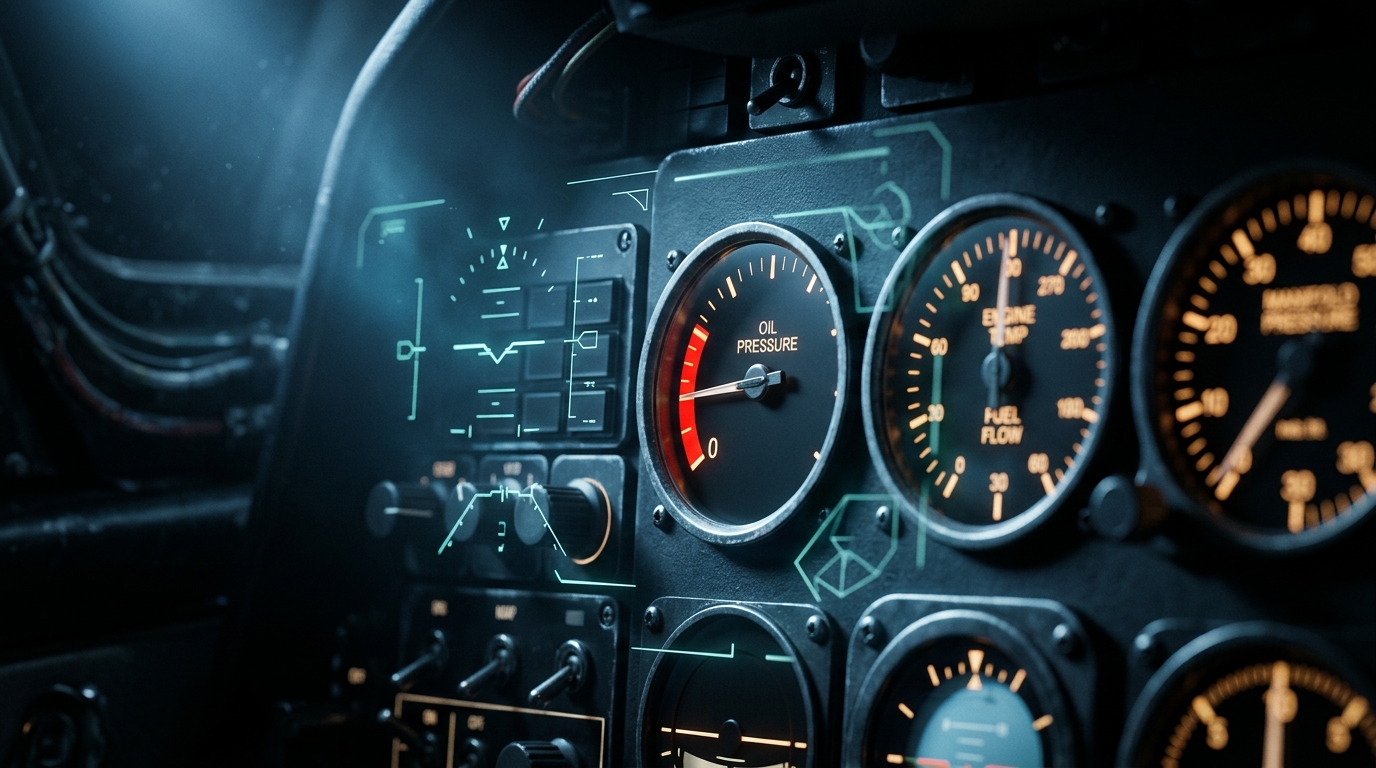
Differentiating between gauge sender failure and actual engine oil starvation, temperature correlation, and forced landing preparation.
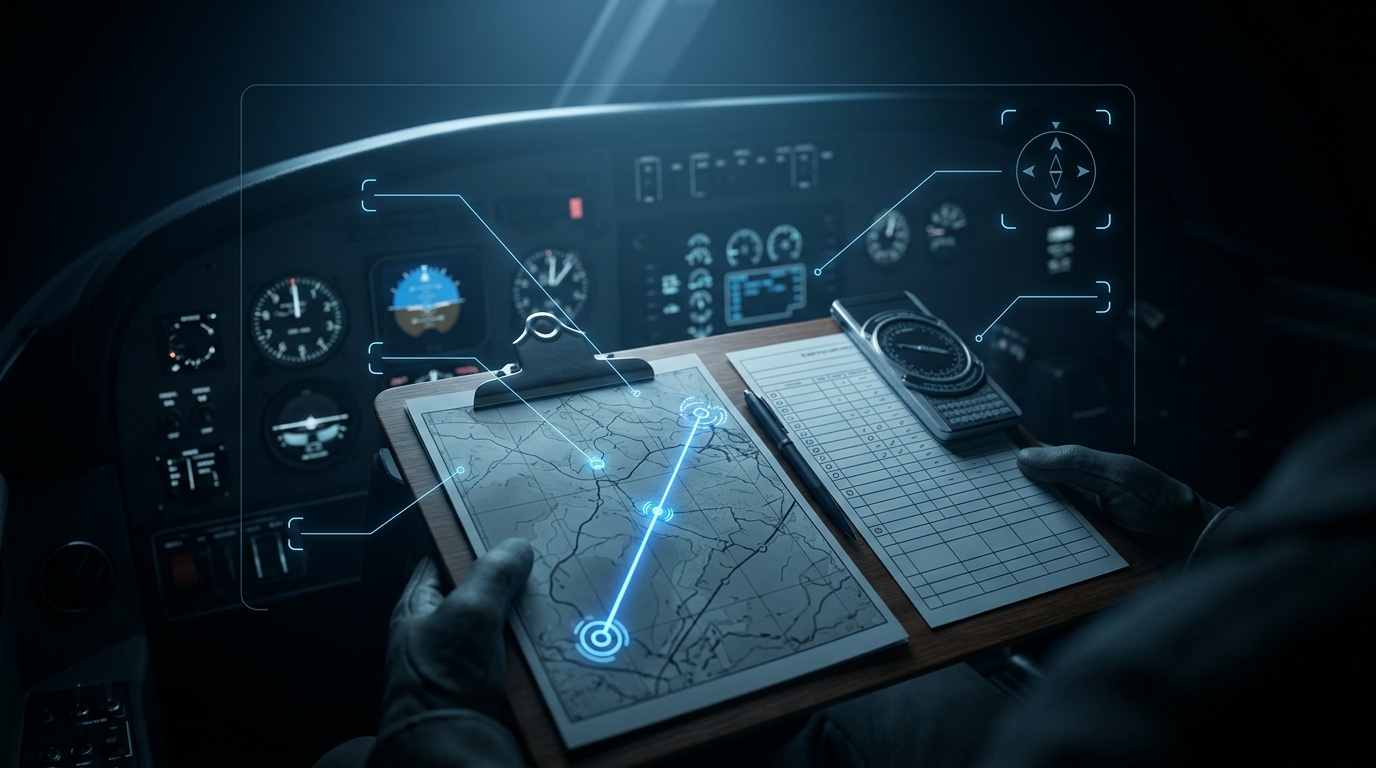
Calculating Track Error Angle (TE) and Closing Angle (CA) to regain planned track using mental arithmetic.

Airflow over mountain ridges creating lenticular clouds, severe lee rotors, extreme downdrafts, and altimeter pressure errors.
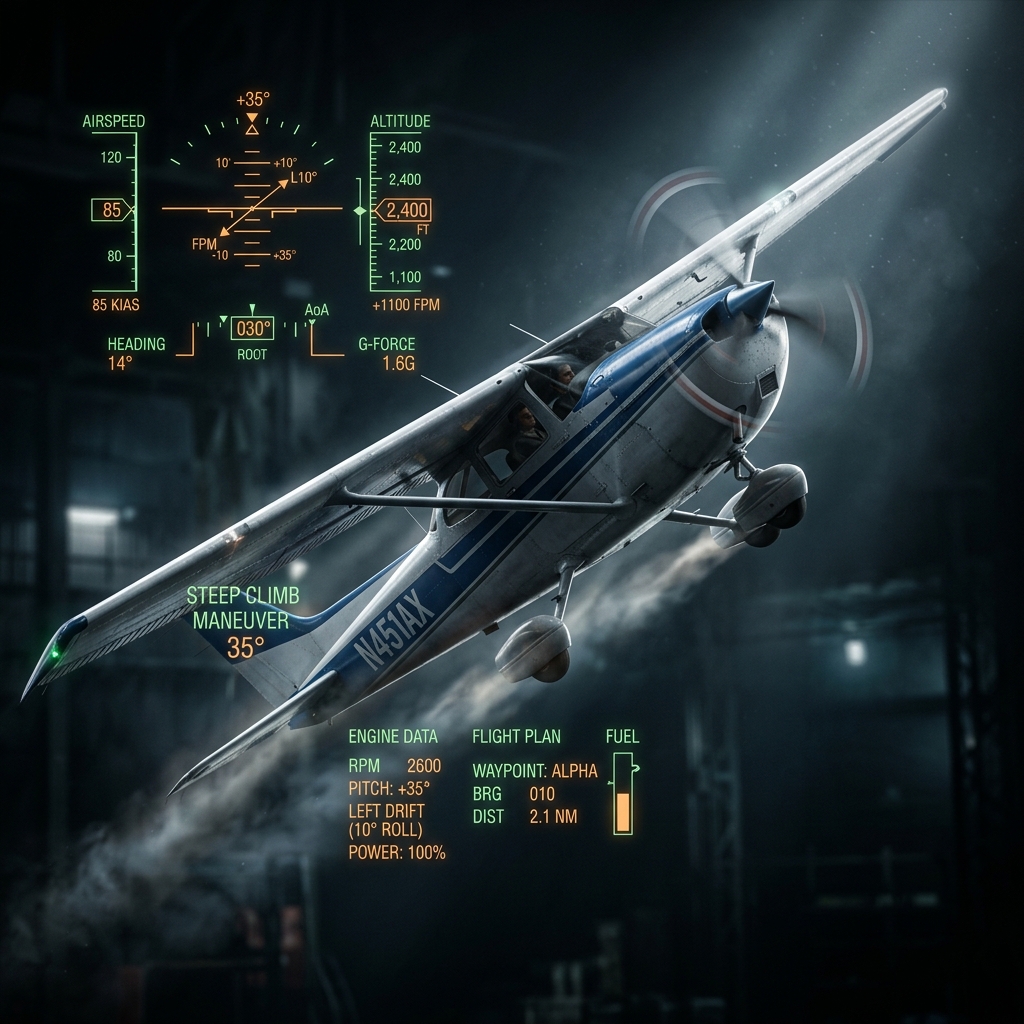
At high angles of attack, the downward-moving propeller blade produces more thrust than the upward-moving blade, yawing the airplane LEFT.
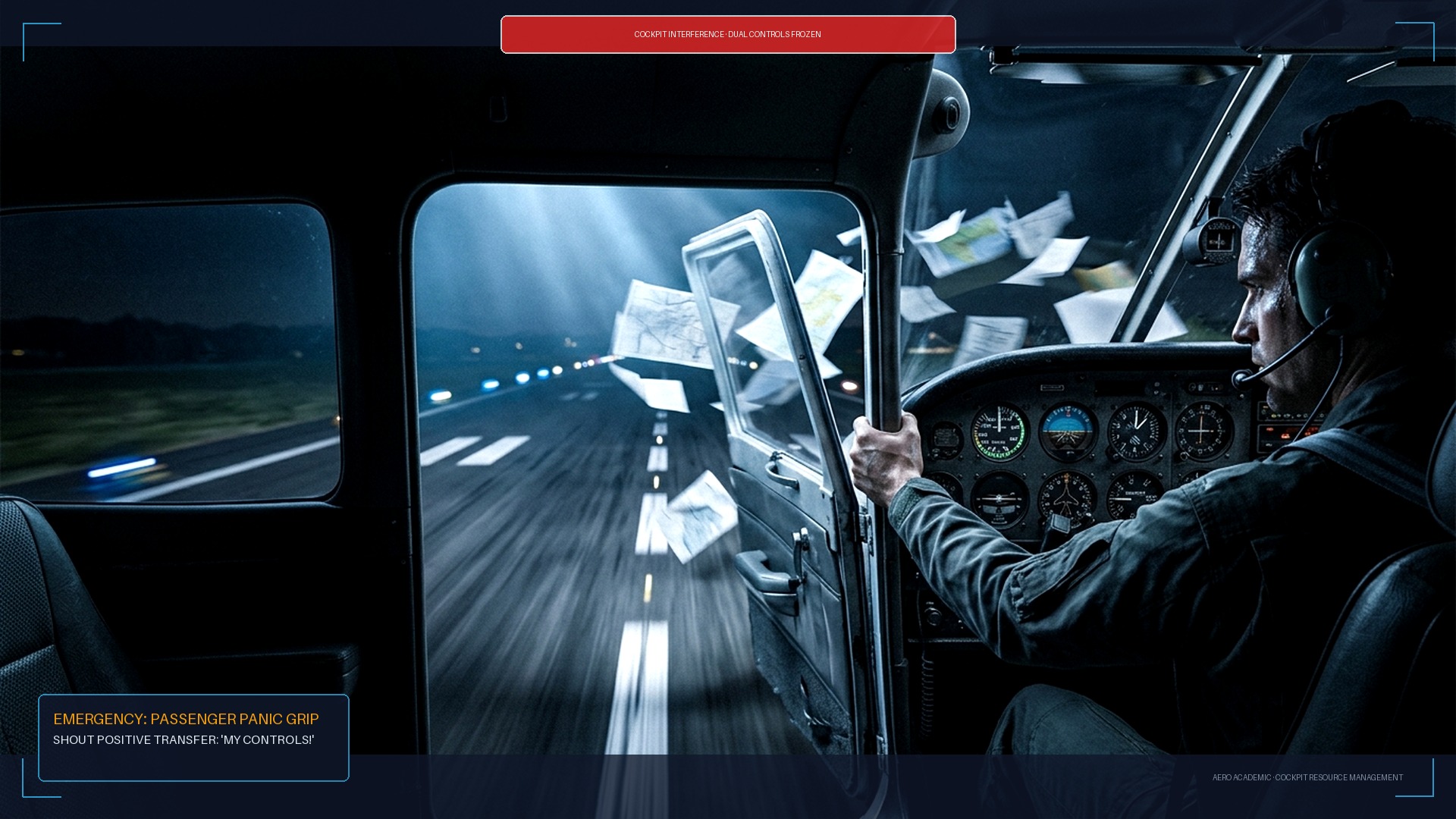
Pre-flight passenger briefing protocols, dual-control clearance, and handling anxious passenger freeze during flight.
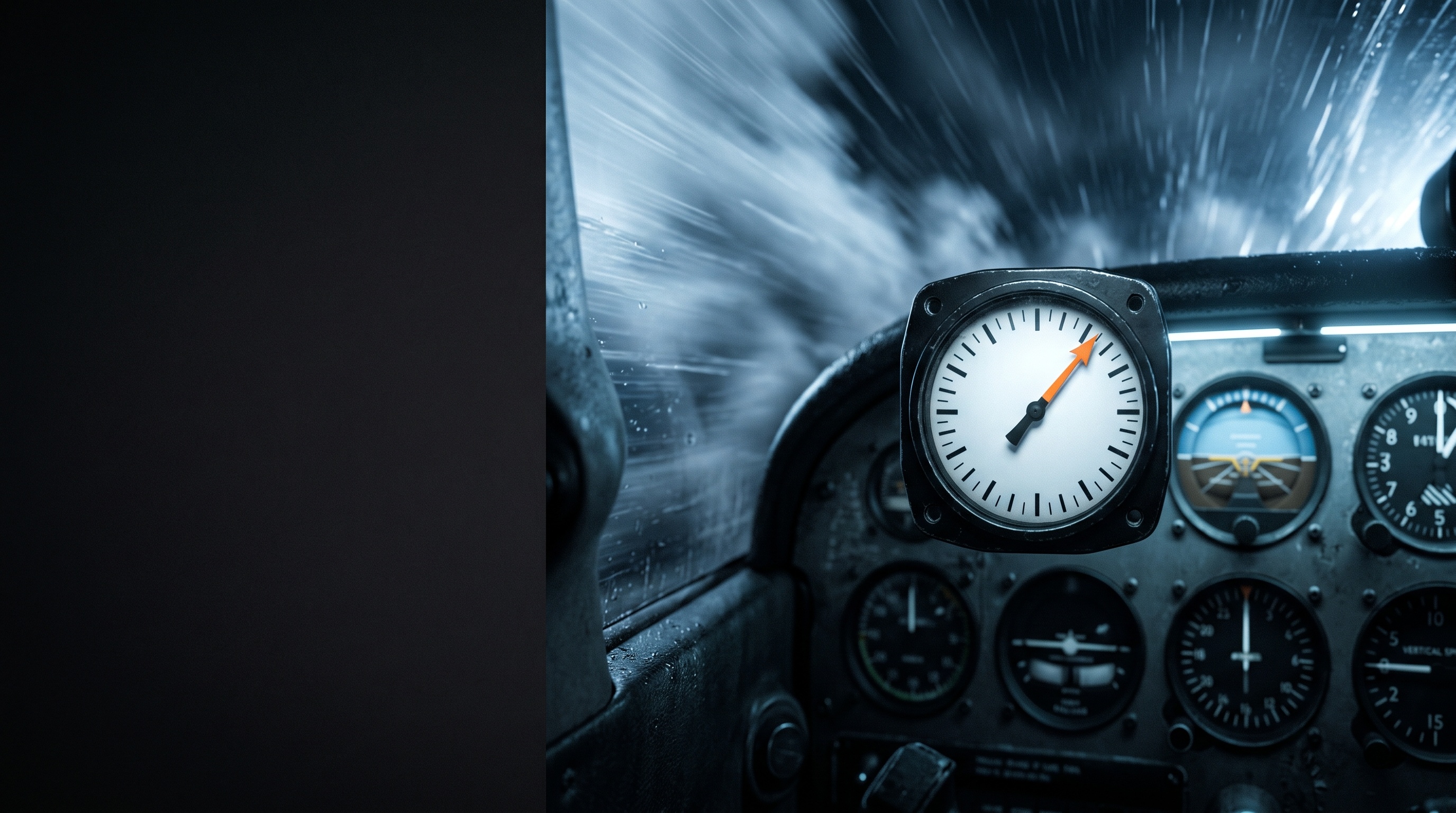
When pitot ram intake AND drain hole block completely, the Airspeed Indicator acts like an ALTIMETER—indicating higher speed in climb and lower speed in descent.
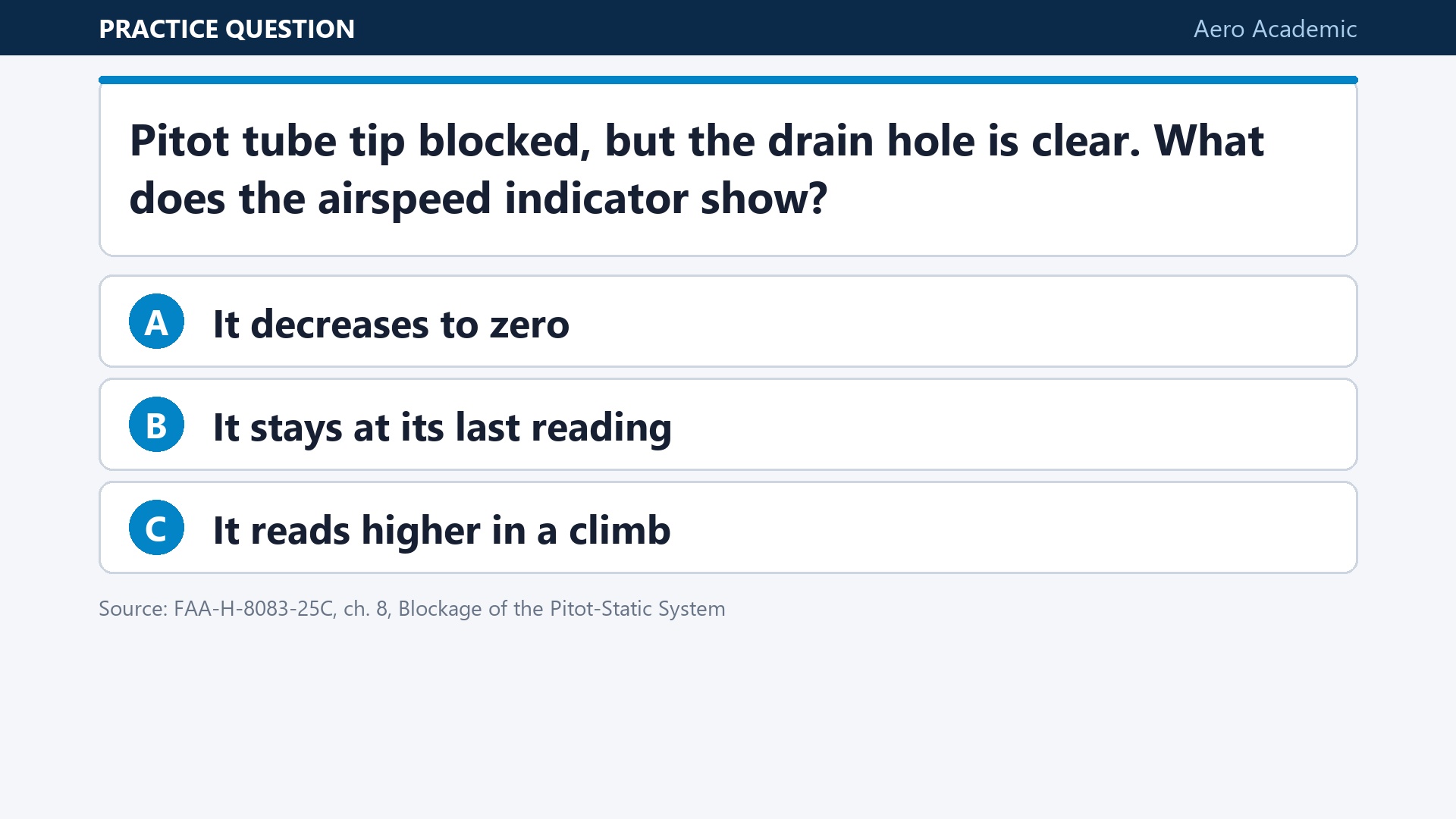
When ram air inlet is blocked by ice/bugs but the drain hole is OPEN, pitot pressure leaks out the drain, dropping indicated airspeed to ZERO.
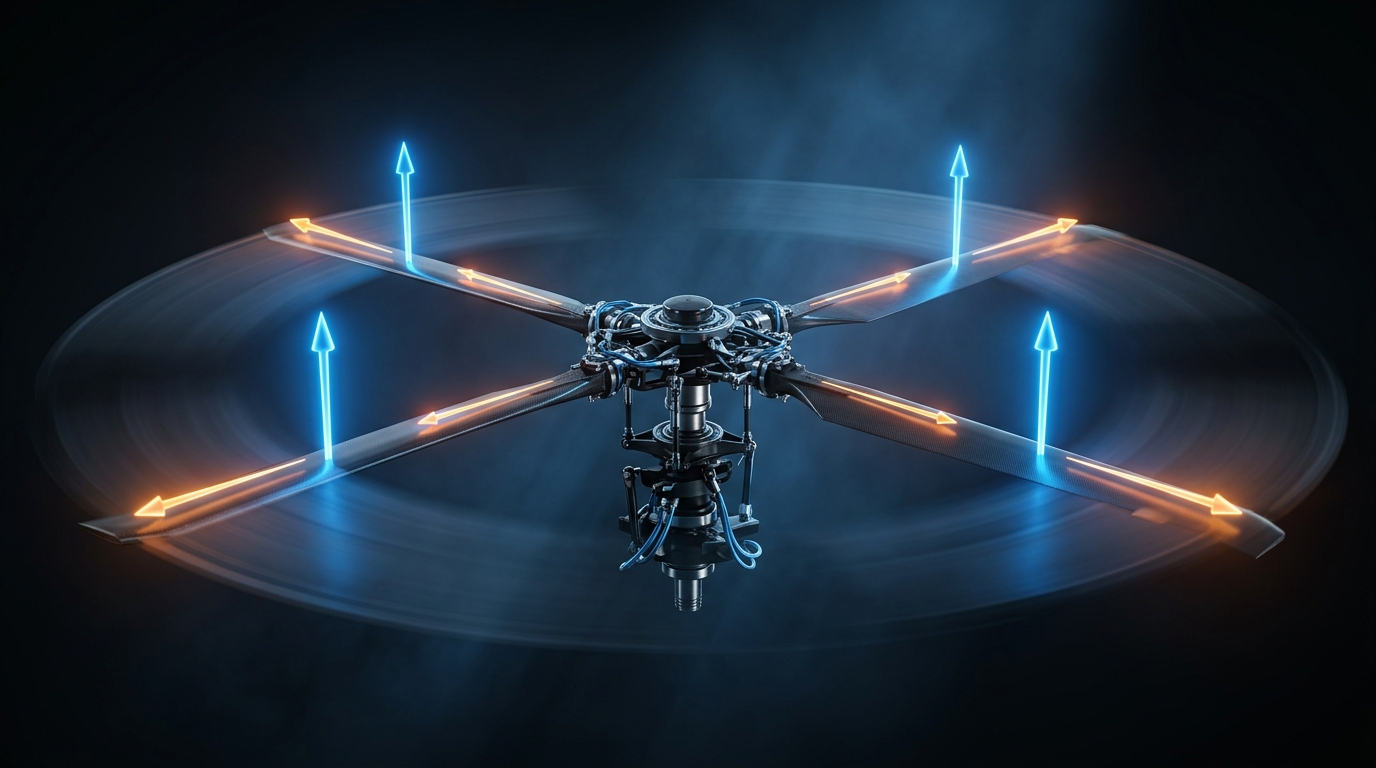
Upward bending of rotor blades caused by the balance between aerodynamic lift pulling UP and centrifugal force pulling OUT.
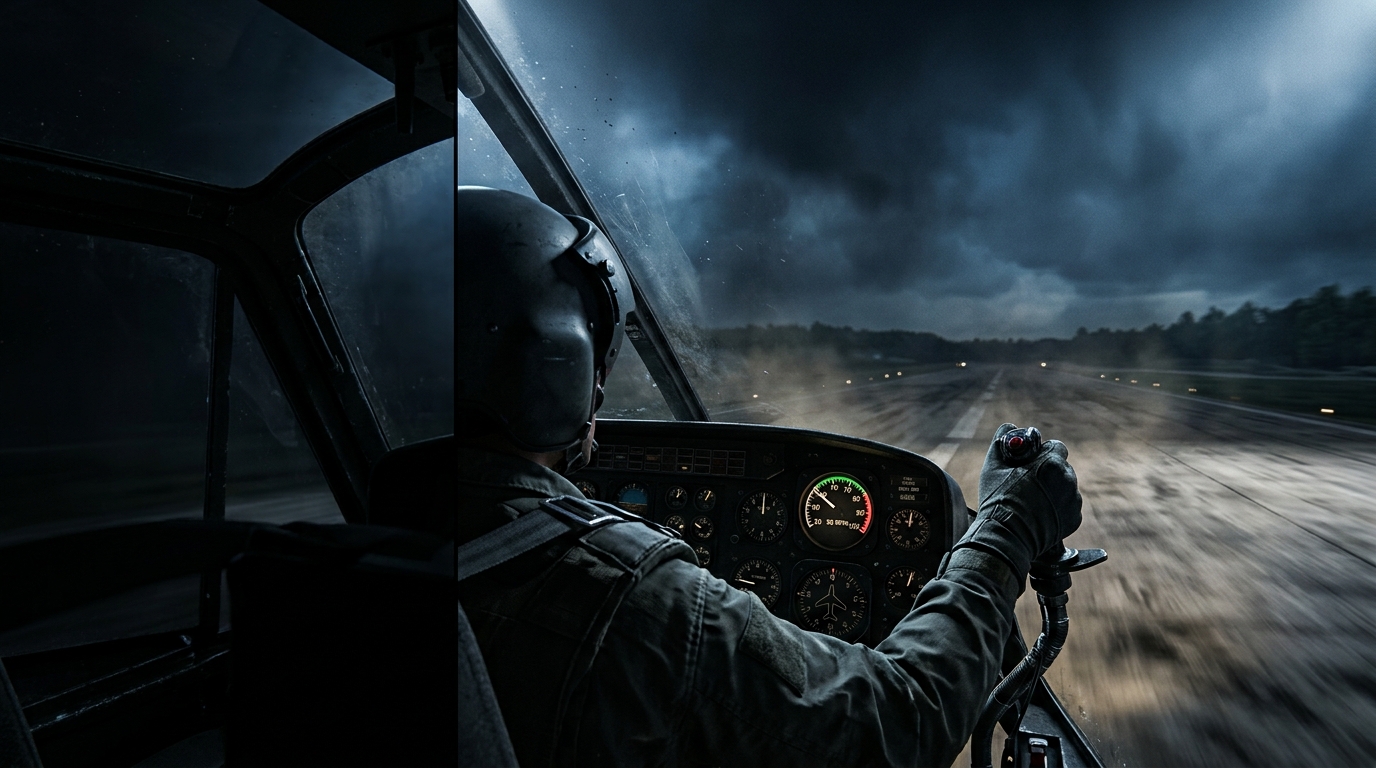
Over-pitching collective at low power causes rotor RPM to decay below operating limits, leading to rotor stall and rapid descent.
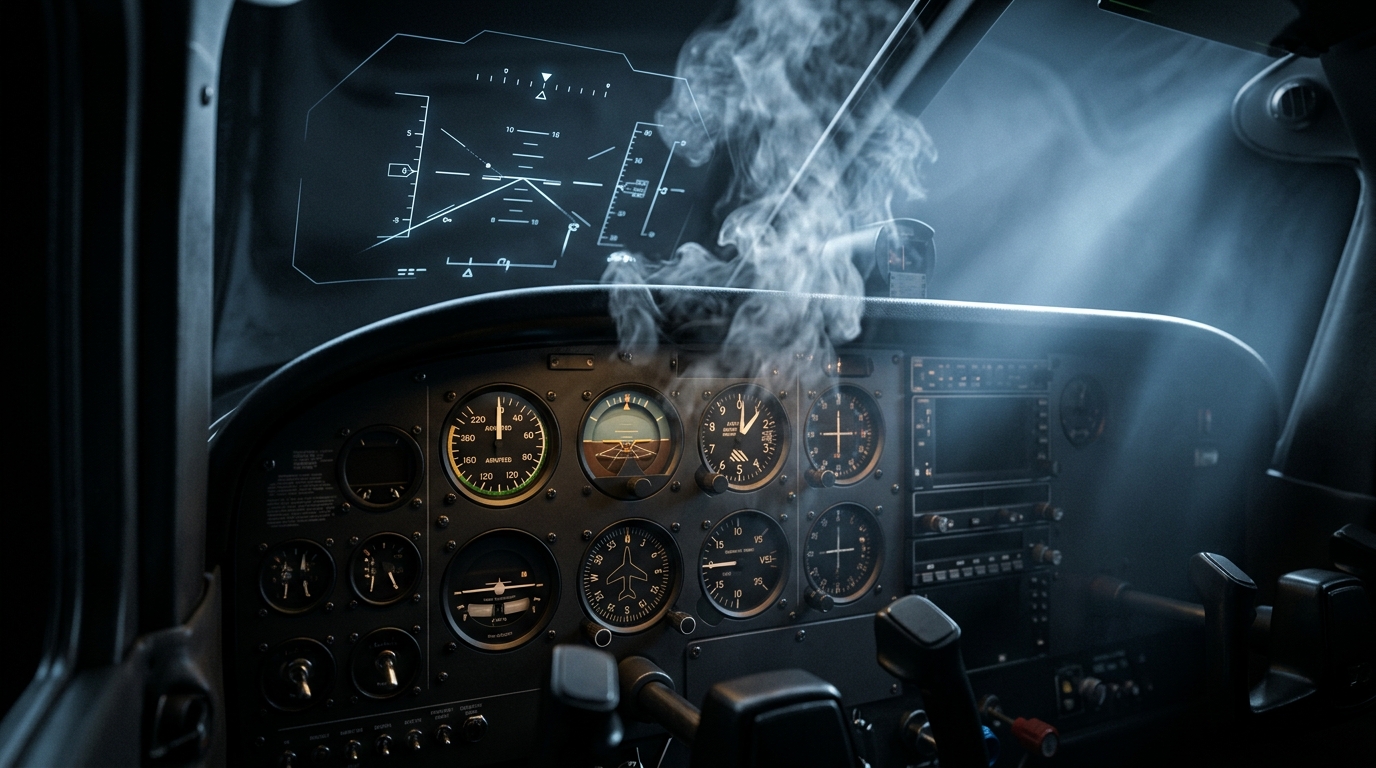
Immediate electrical master cutoff, cabin air isolation, fire extinguisher discharge, and visual flight recovery.
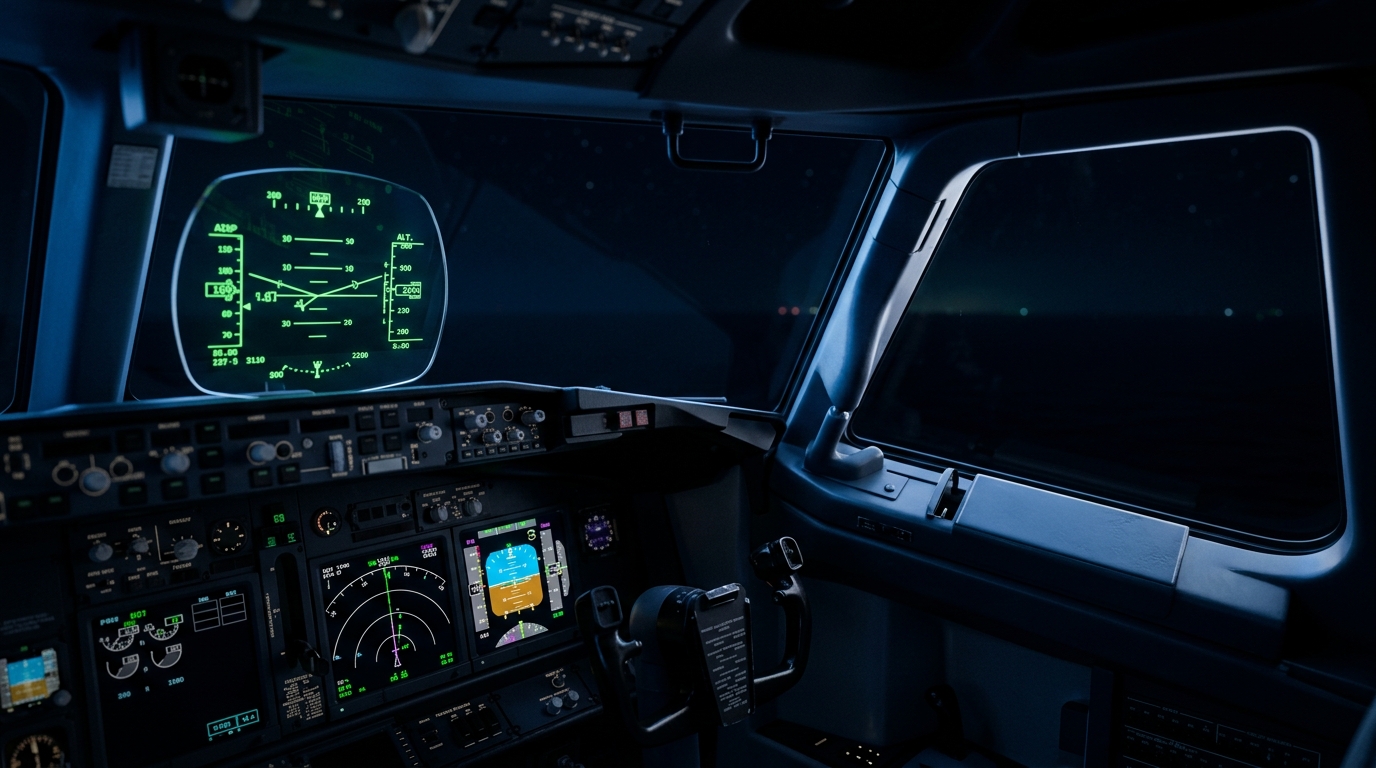
Rapid forward acceleration on takeoff stimulates otolith organ otoliths, creating false sensation of steep pitch-up, prompting pilot to push nose DOWN into ground.
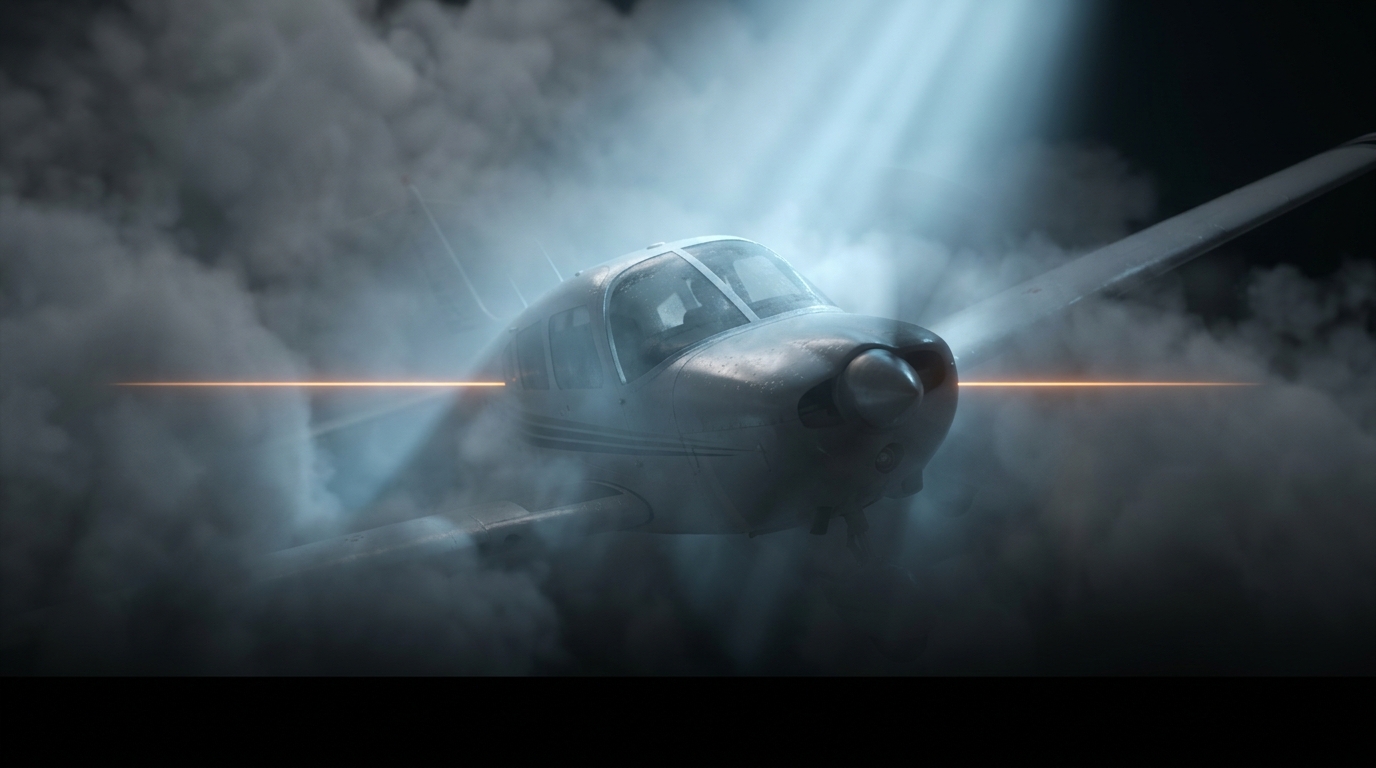
The Graveyard Spin, Coriolis Illusion, Leans, and Somatogravic sensory mismatch breakdown.
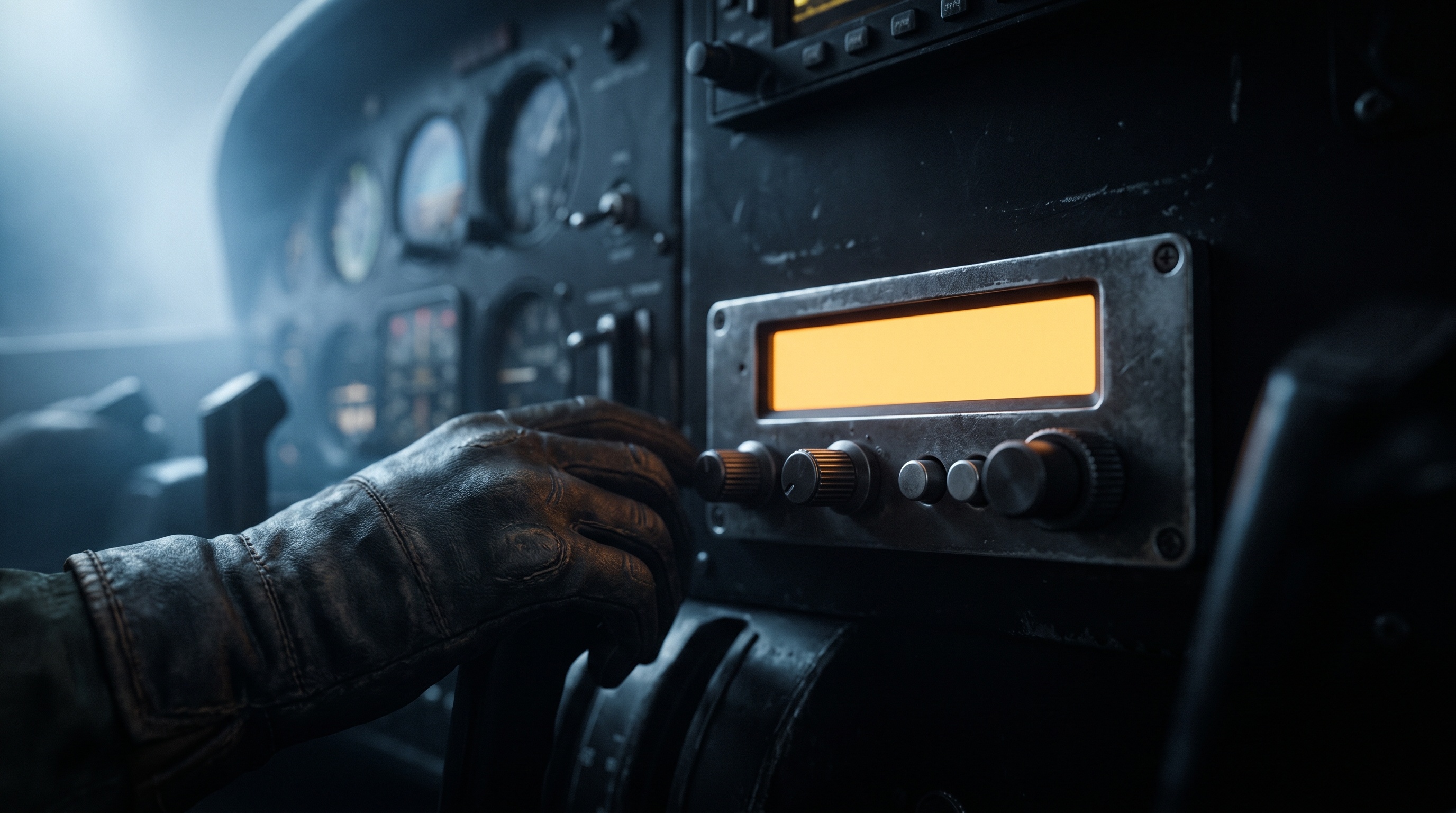
Standard International Transponder Emergency Codes: 7500 (Hijack), 7600 (Radio Loss / Comms Failure), 7700 (General Emergency).
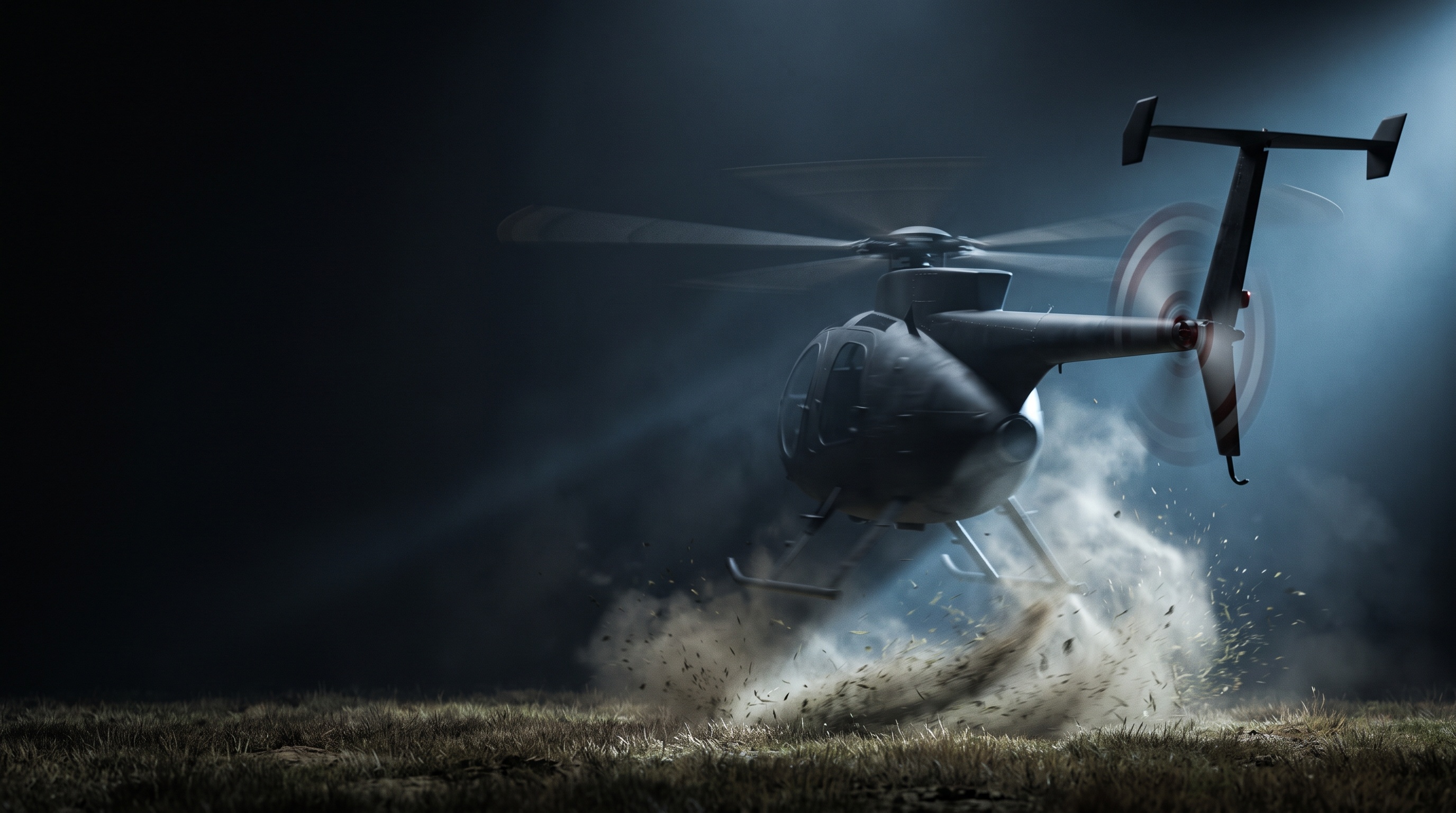
Tail rotor drive failure vs LTE in high power, low speed out-of-wind hovering conditions causing uncommanded rapid yaw rotation.
Handling a failed throttle linkage stuck at high RPM vs idle during cruise and landing approach.
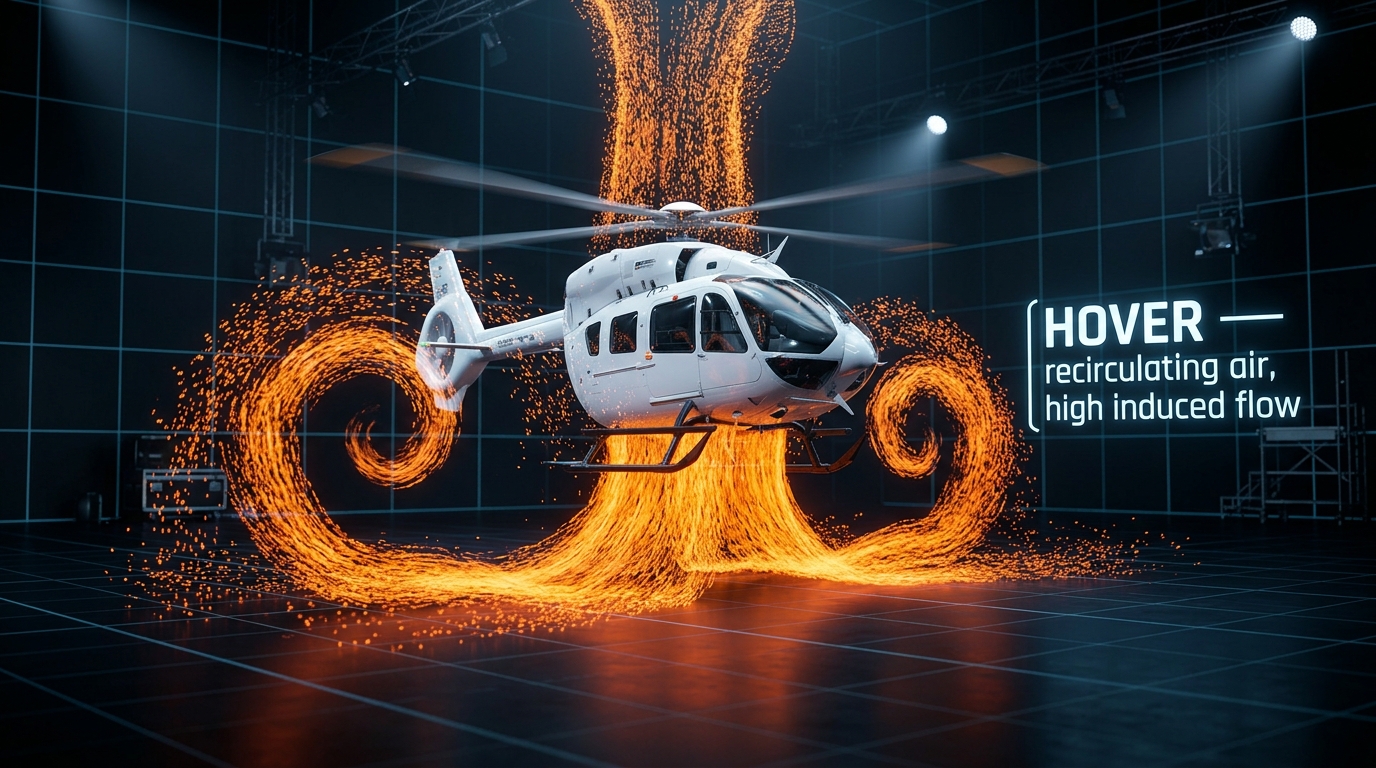
Transitioning from hover into forward flight at 16-24 knots as the rotor disc leaves its own downwash recirculation and gains clean, horizontal airflow.
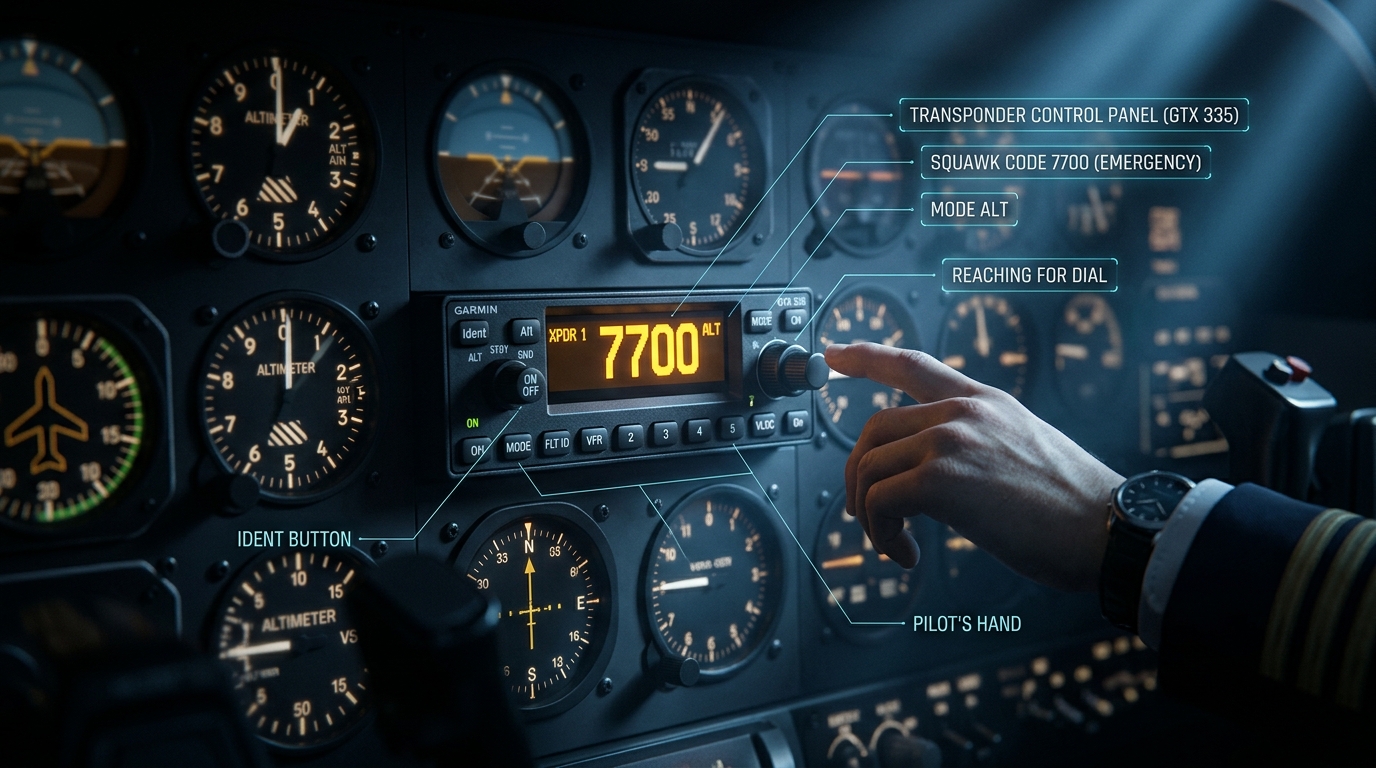
Radar scope primary/secondary target highlighting, emergency frequency 121.5 MHz / 243.0 MHz, and MAYDAY distress procedures.
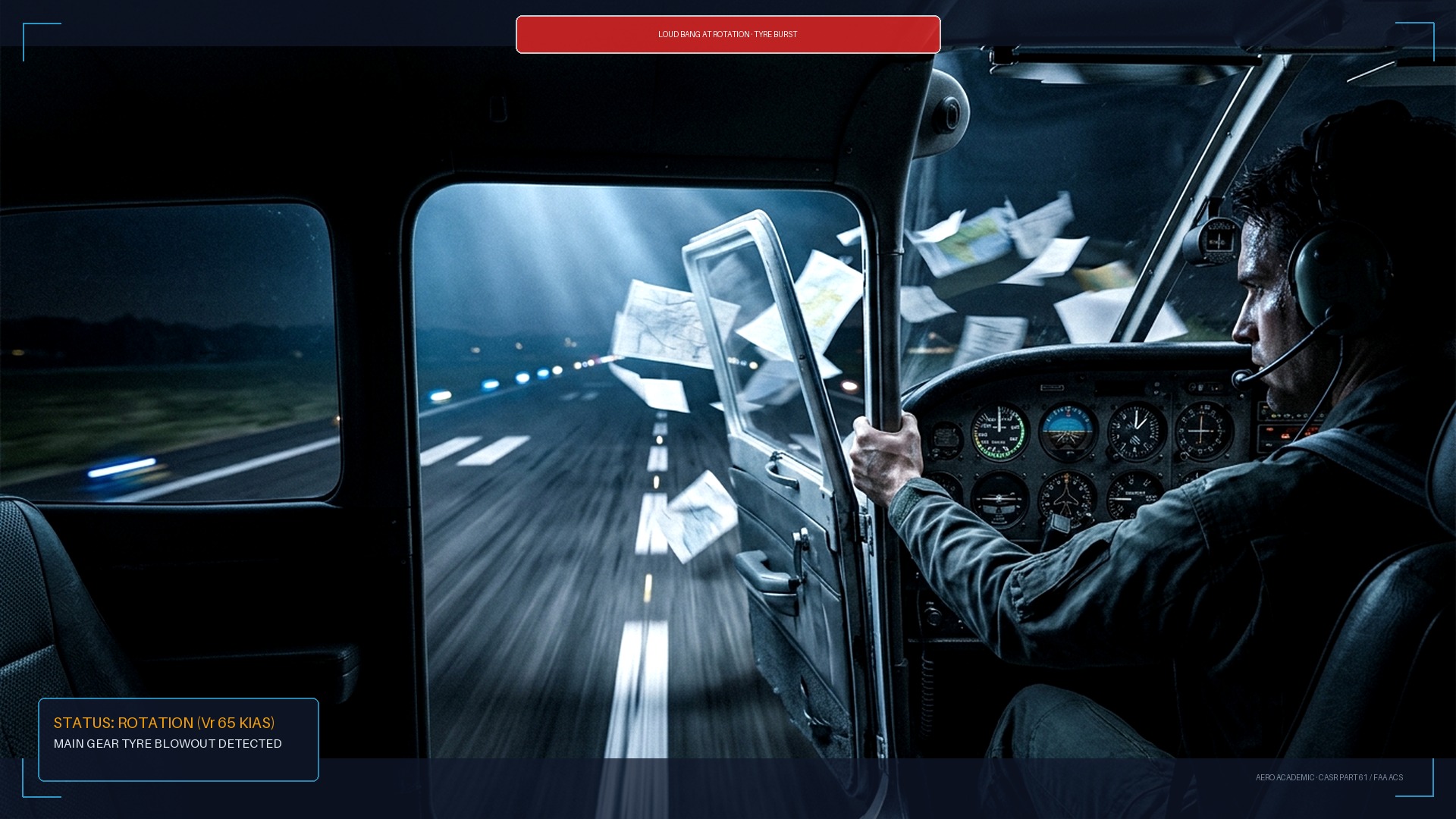
Handling directional yaw control, directional braking hazards, and landing technique with a flat main tyre.
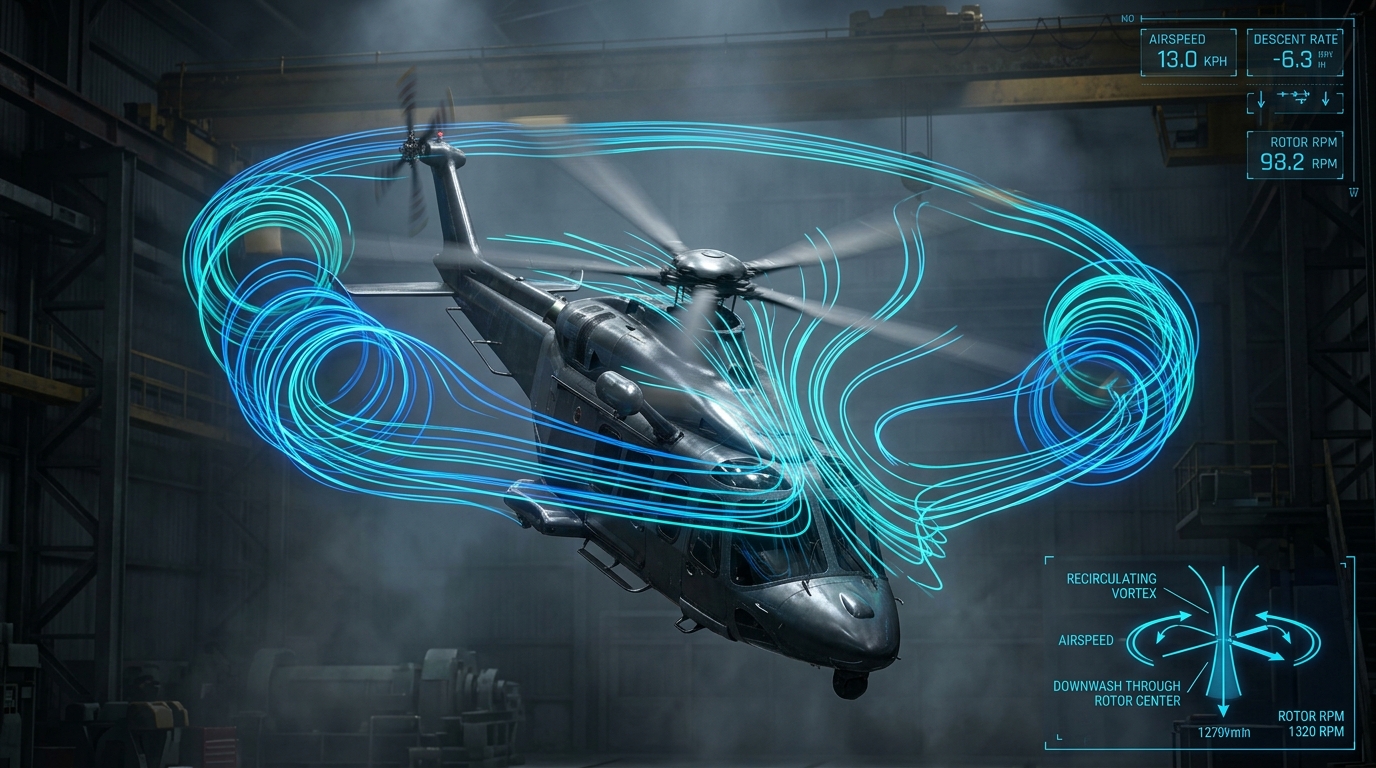
A hazardous aerodynamic condition where a helicopter settles into its own downwash, creating massive recirculation vortices and rapid sink rate.
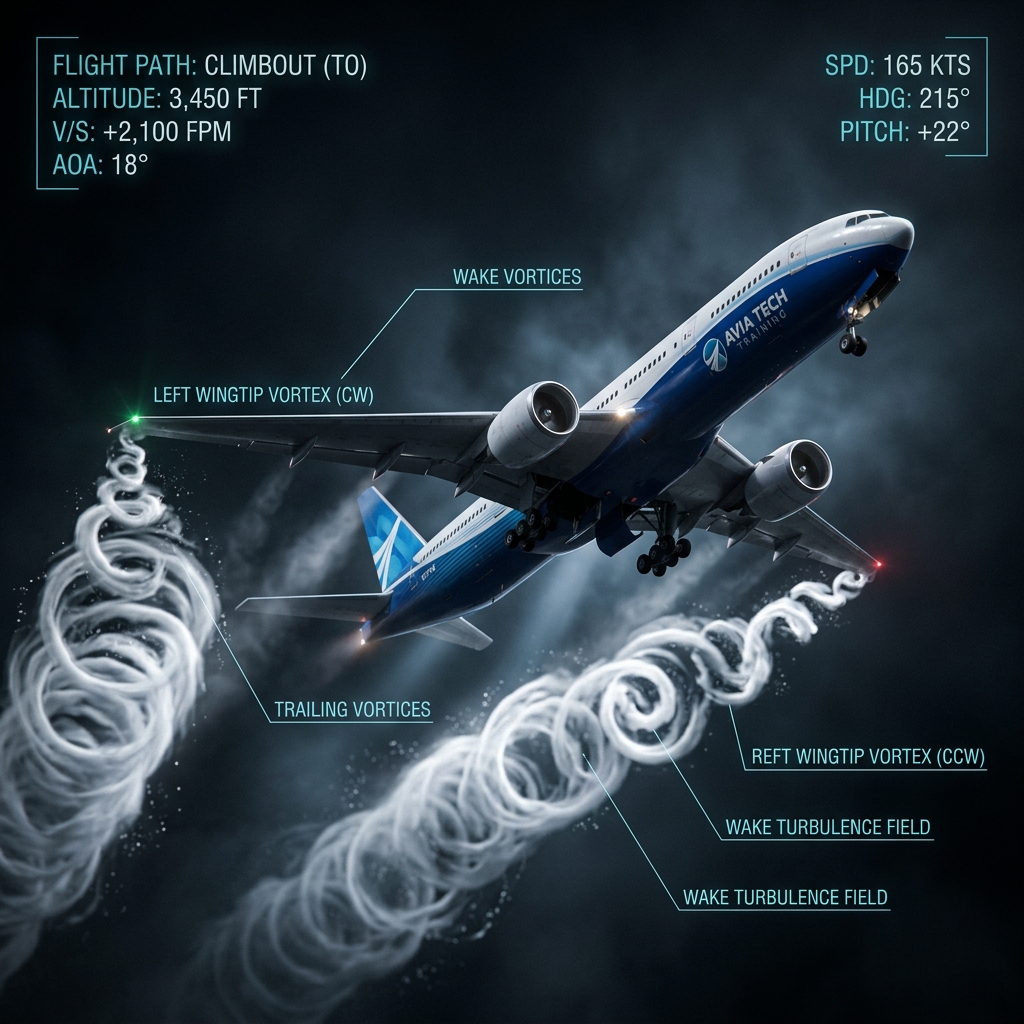
Counter-rotating wingtip vortices generated by heavy aircraft at high angle of attack, creating severe roll hazards for trailing aircraft.