Helicopter Dynamics · AERO

Dissymmetry of Lift & Retreating Blade Stall

CASA Ref: CASR Part 61 MOS Schedule 3 AD(H) 1.3 · FAA Ref: FAA-S-ACS-16 Area I Task E (Commercial Helicopter)

Scenario & Physics Summary

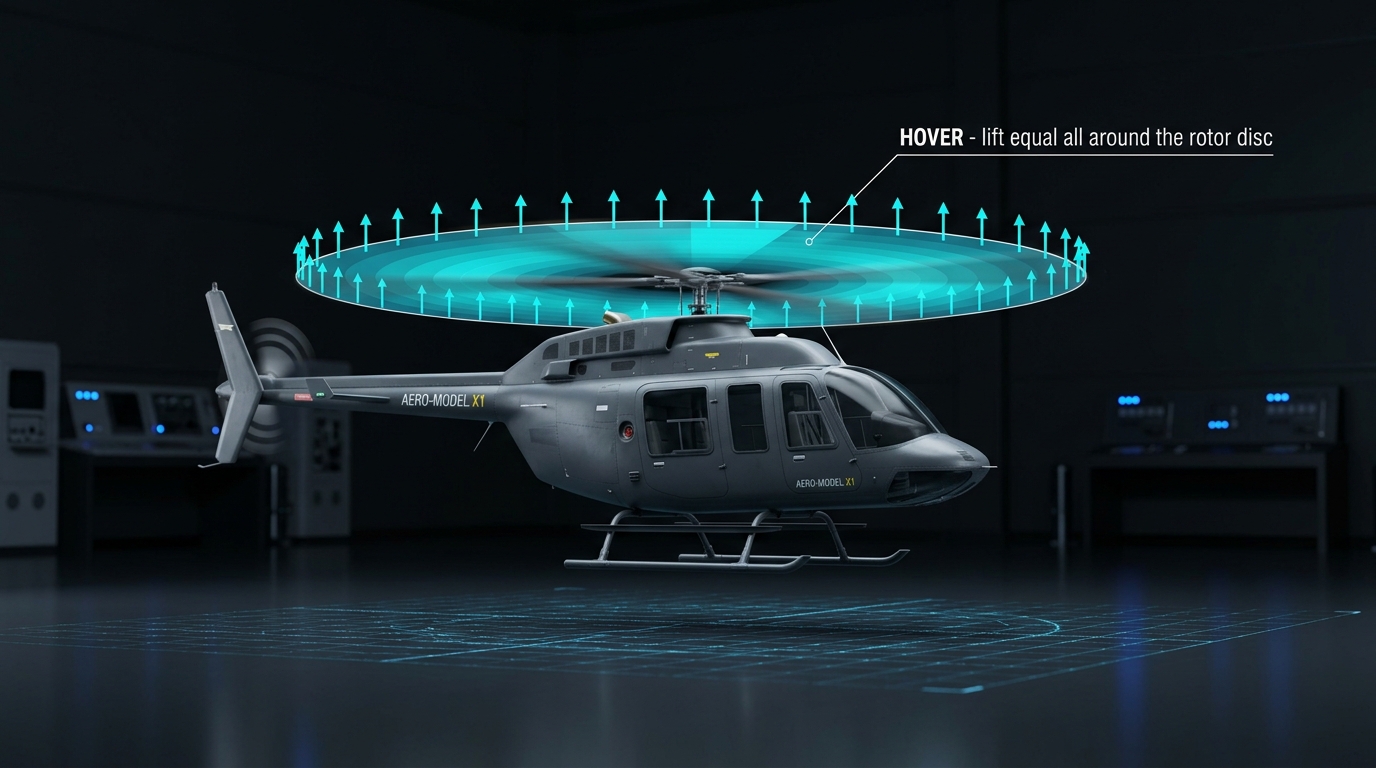
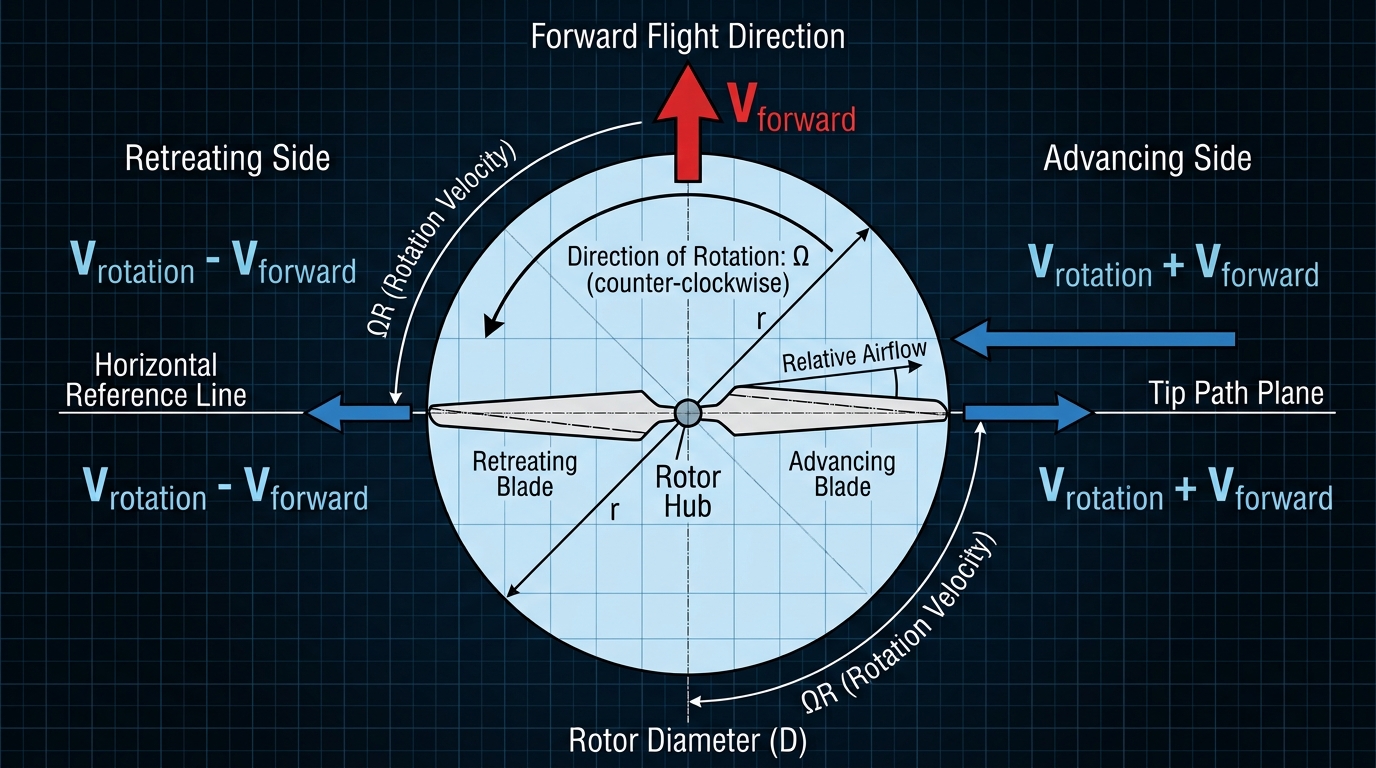
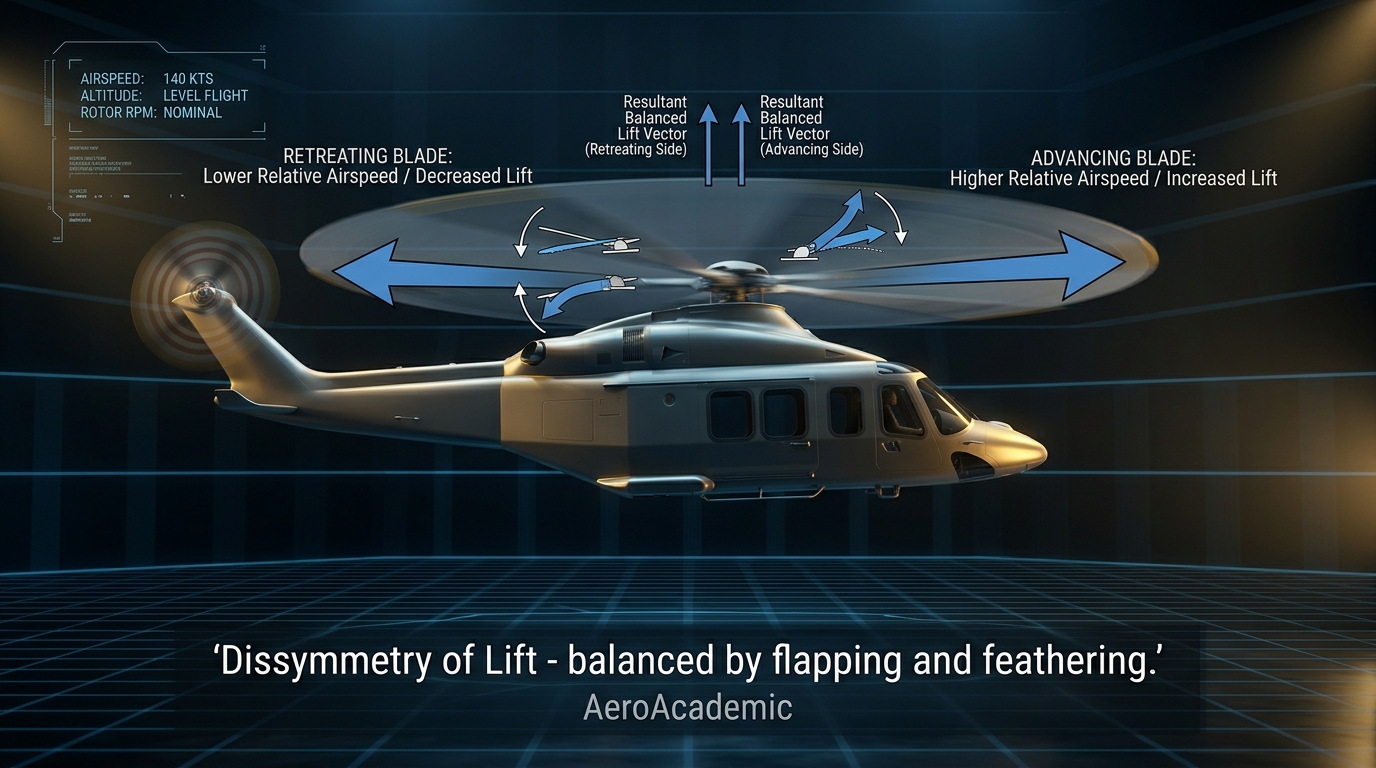
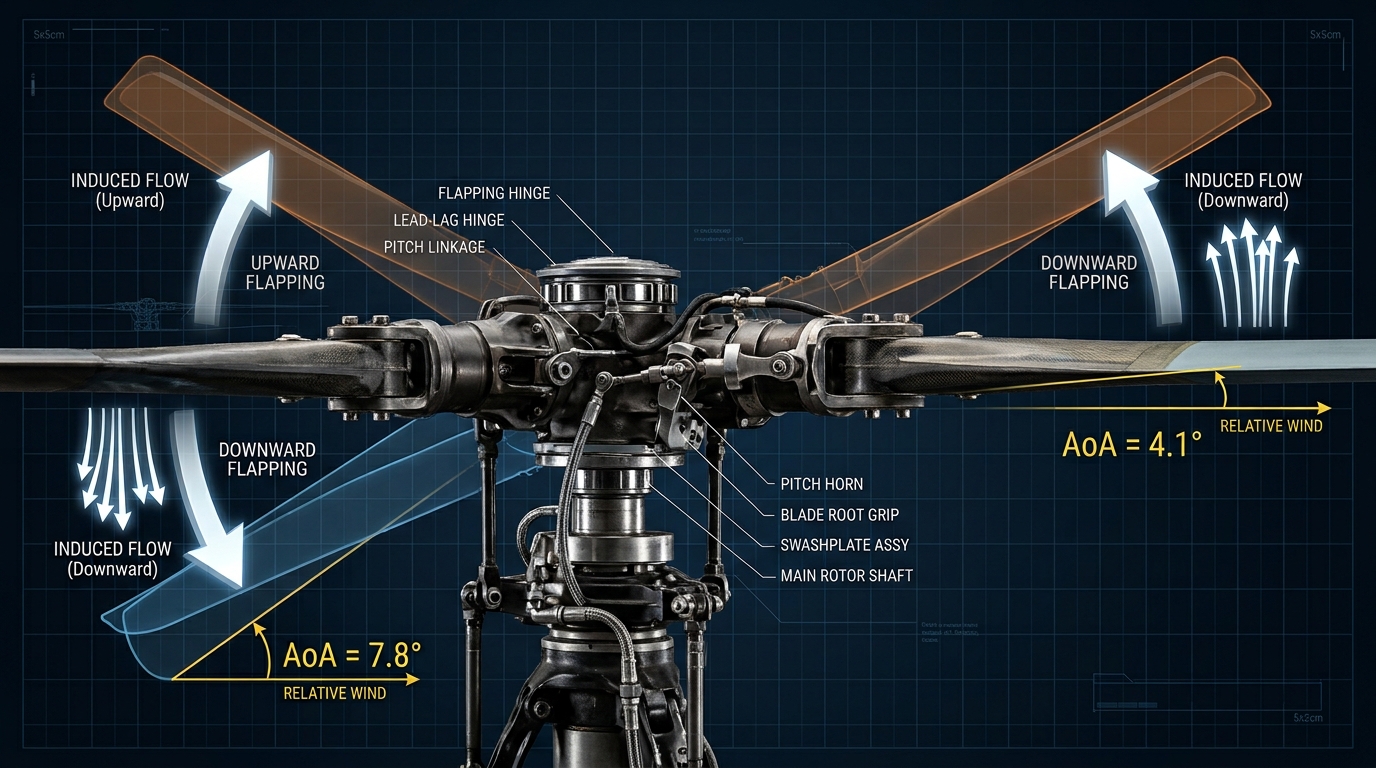
Differential relative wind between advancing and retreating rotor blades in forward flight, creating left-roll tendency at high airspeed.

Interactive 3D Visual Plates & Scenario Media

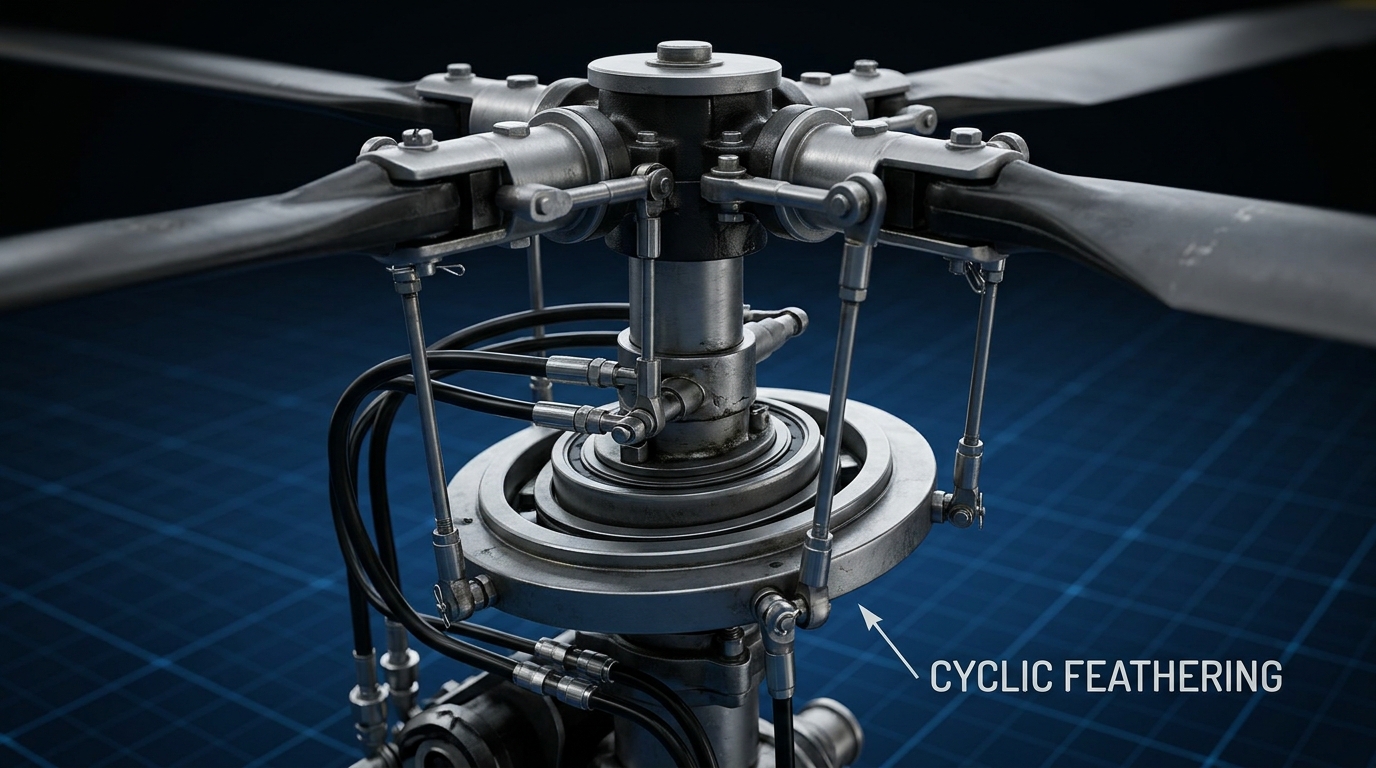
Dissymmetry of Lift & Retreating Blade Stall Plate 1
Plate 1: Dissymmetry of Lift & Retreating Blade Stall
Dissymmetry of Lift & Retreating Blade Stall Plate 2
Plate 2: Dissymmetry of Lift & Retreating Blade Stall
Dissymmetry of Lift & Retreating Blade Stall Plate 3
Plate 3: Dissymmetry of Lift & Retreating Blade Stall
Dissymmetry of Lift & Retreating Blade Stall Plate 4
Plate 4: Dissymmetry of Lift & Retreating Blade Stall
Dissymmetry of Lift & Retreating Blade Stall Plate 5
Plate 5: Dissymmetry of Lift & Retreating Blade Stall

Aerodynamic & Operational Physics

CASA & FAA Exam Gotcha Alert

Exam Trap: Retreating blade stall recovery requires lowering collective FIRST, then aft cyclic to reduce airspeed. Pulling back cyclic first worsens the stall.

Frequently Asked Questions & Exam Explanations

What are the symptoms of retreating blade stall?

Vibration, nose pitch-up, and an uncommanded roll toward the retreating blade side.

Master Dissymmetry of Lift & Retreating Blade Stall in the Simulator

Drill targeted CASA and FAA exam questions with step-by-step mathematical decoders and regulatory clause links.

Take free CASA diagnostic test →