CASA Ref: CASR Part 61 MOS Schedule 3 CAKG 2.1 · FAA Ref: FAA-S-ACS-6C Area I Task F (Powerplant & Systems)
Scenario & Physics Summary
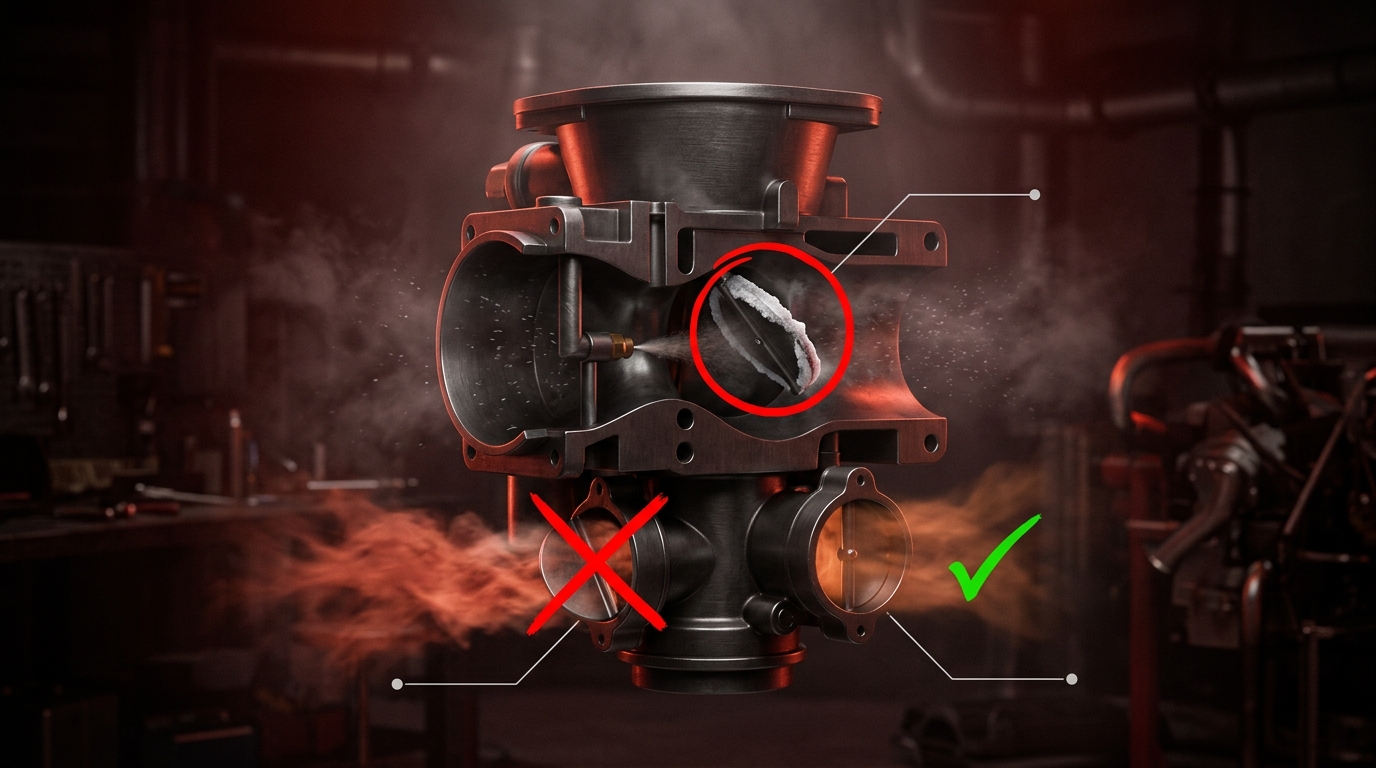
Applying hot, un-filtered air into the engine during takeoff or climb reduces air density, enriches the fuel-air mixture, drops manifold pressure, and significantly degrades climb performance.
Interactive 3D Visual Plates & Scenario Media
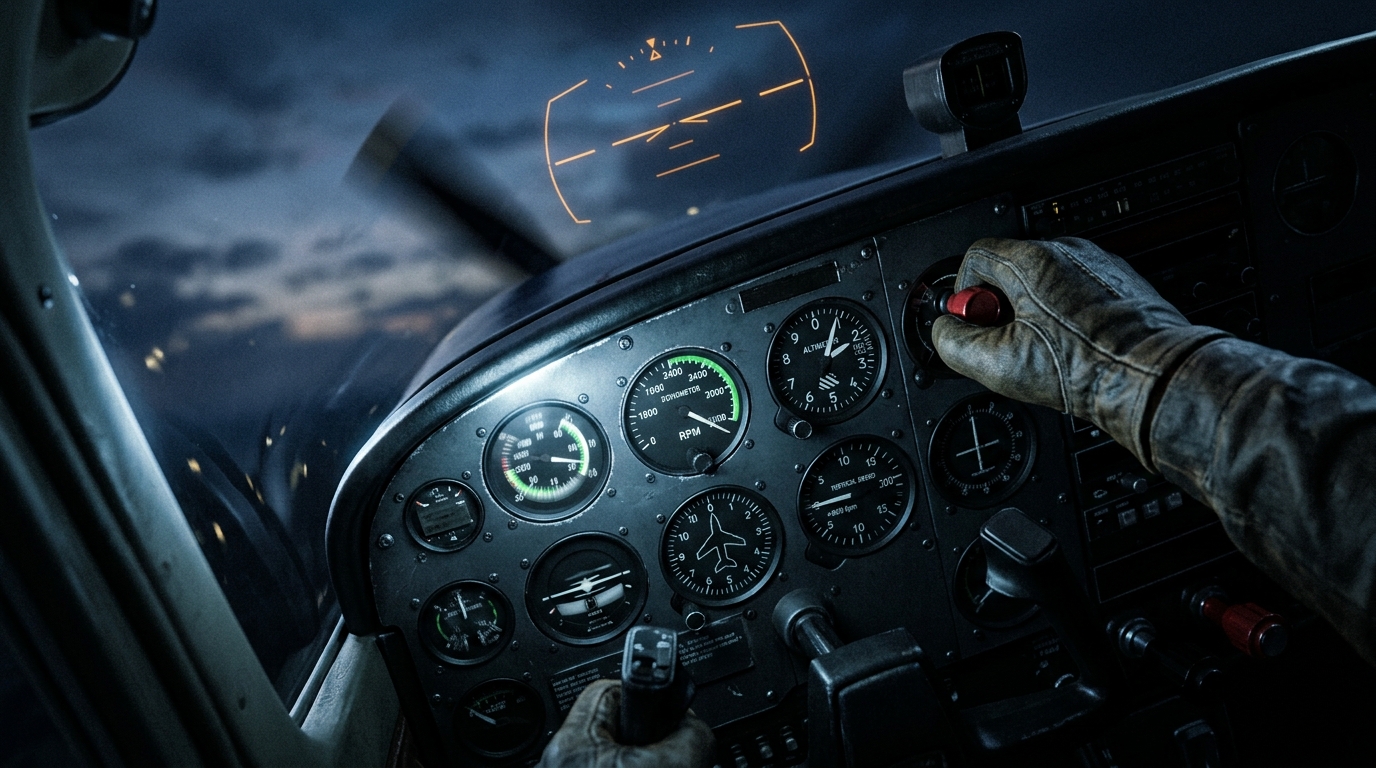
Plate 1: Carburettor Heat Left On During Climb
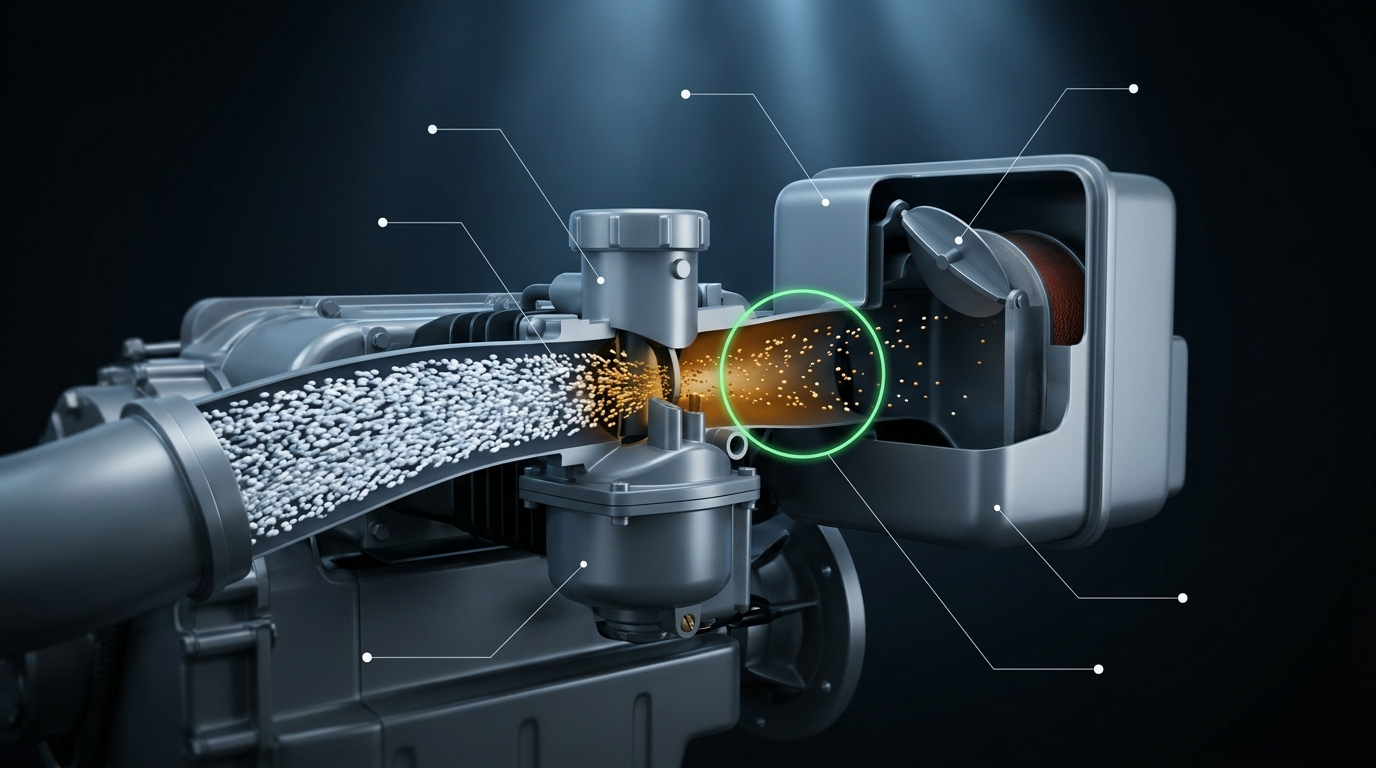
Plate 2: Carburettor Heat Left On During Climb
Plate 3: Carburettor Heat Left On During Climb
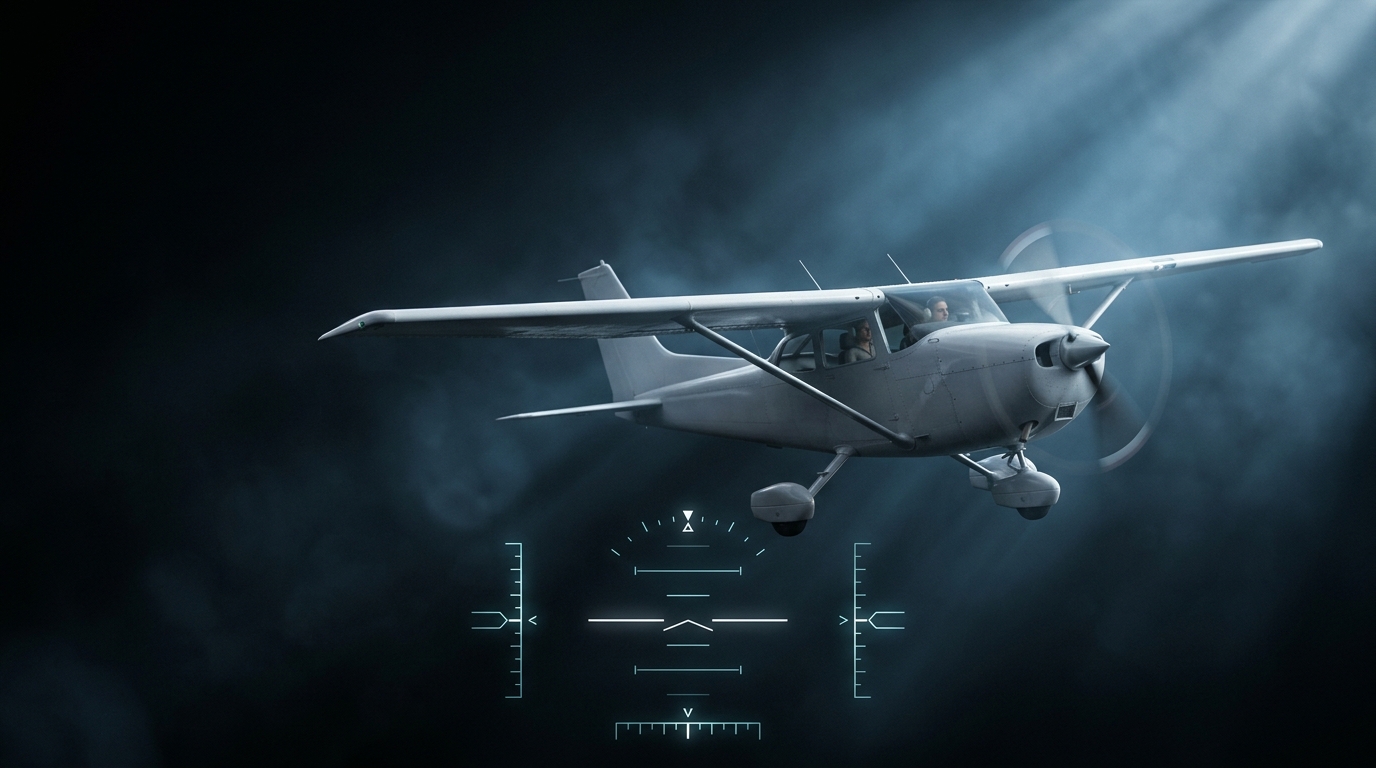
Plate 4: Carburettor Heat Left On During Climb
Aerodynamic & Operational Physics
Carb heat routes air over the hot exhaust muff before entering the carburettor venturi.
Hotter air is less dense (ρ = P/RT), causing a rich fuel-air mixture ratio and 3% to 15% reduction in total engine shaft horsepower.
Warm air also bypasses the induction air filter, risking dust/sand ingestion into internal cylinders.
CASA & FAA Exam Gotcha Alert
Exam Trap: Leaving carb heat ON during climb causes a unexpected drop in RPM and climb gradient. Candidates misdiagnose this as engine failure.
Frequently Asked Questions & Exam Explanations
What happens to engine power when carb heat is applied?
Engine power drops instantly because hot air is less dense, enriching the mixture and decreasing volumetric efficiency.
Is carb heat filtered air?
No. On most piston aircraft, carb heat bypasses the main air filter, taking unfiltered air directly from the exhaust shroud area.
Master Carburettor Heat Left On During Climb in the Simulator
Drill targeted CASA and FAA exam questions with step-by-step mathematical decoders and regulatory clause links.
 Aero Academic