Meteorology · MET
Orographic Mountain Waves, Rotor Turbulence & Wave Clouds
CASA Ref: CASR Part 61 MOS Schedule 3 CMET 1.3 · FAA Ref: FAA-S-ACS-6C Area I Task C (Weather Information)
Scenario & Physics Summary
Airflow over mountain ridges creating lenticular clouds, severe lee rotors, extreme downdrafts, and altimeter pressure errors.
Interactive 3D Visual Plates & Scenario Media
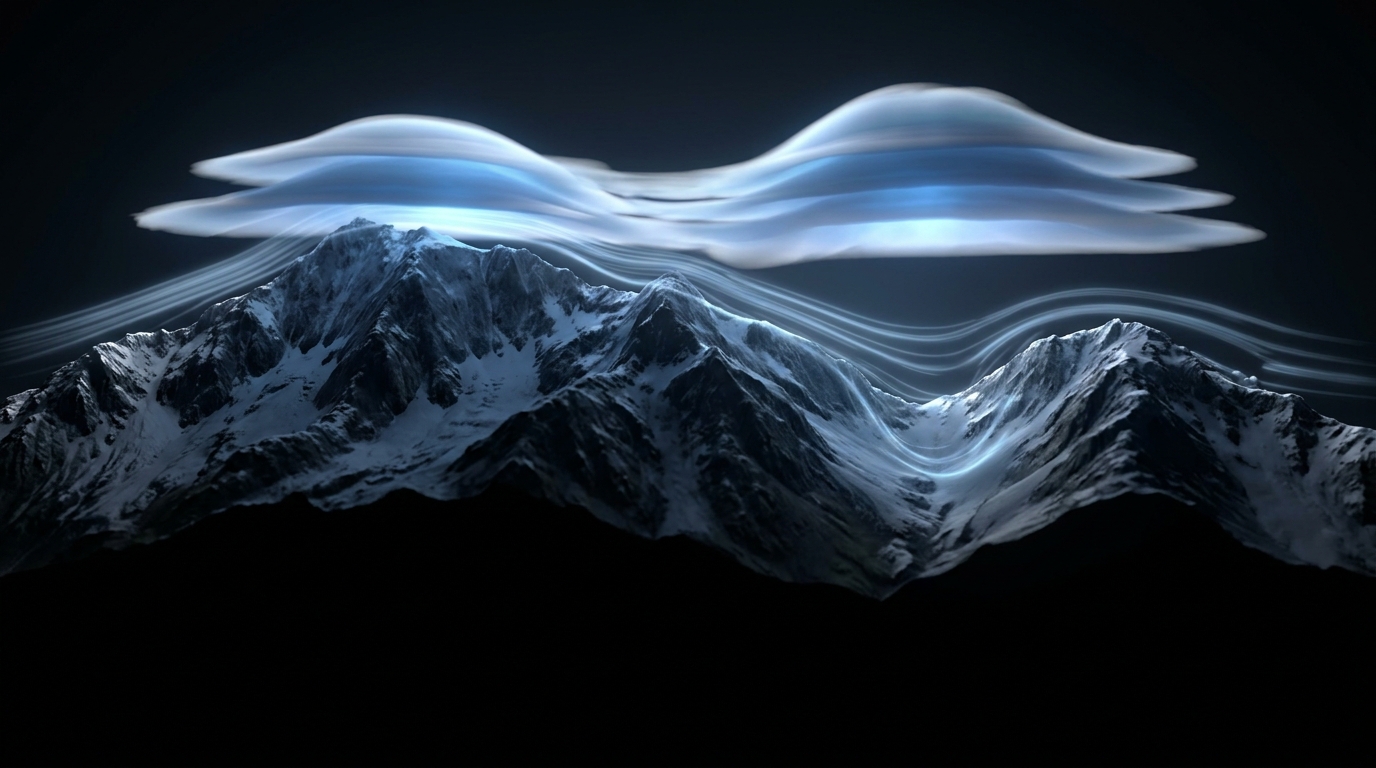
Plate 1: Orographic Mountain Waves, Rotor Turbulence & Wave Clouds
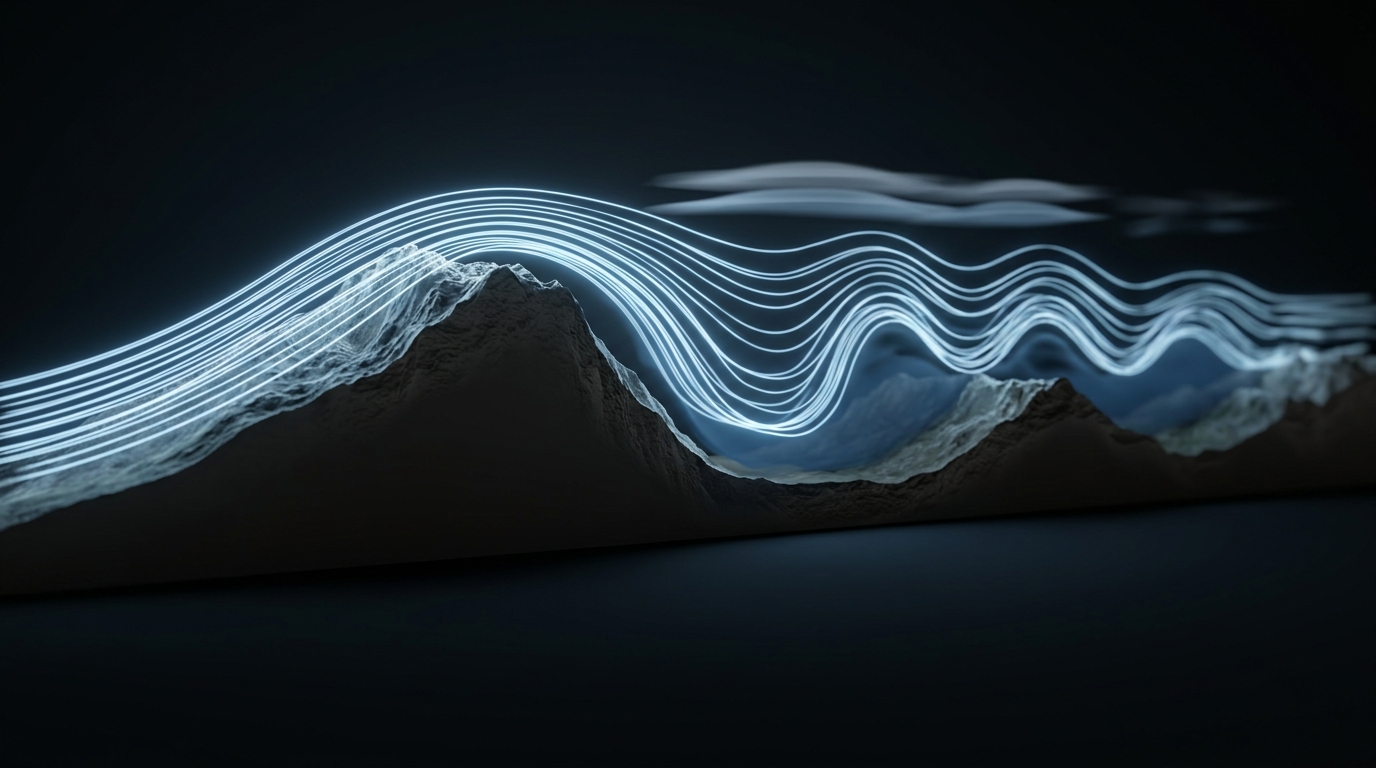
Plate 2: Orographic Mountain Waves, Rotor Turbulence & Wave Clouds
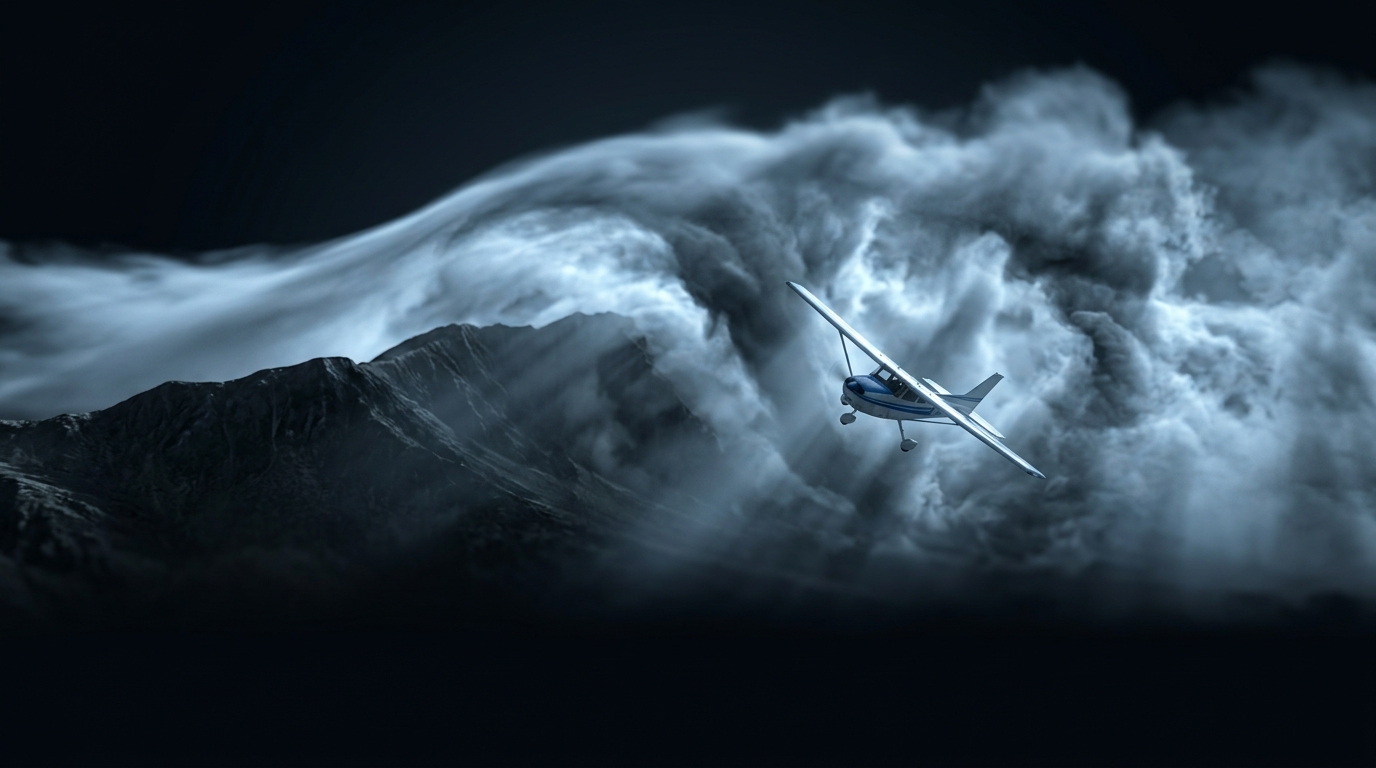
Plate 3: Orographic Mountain Waves, Rotor Turbulence & Wave Clouds
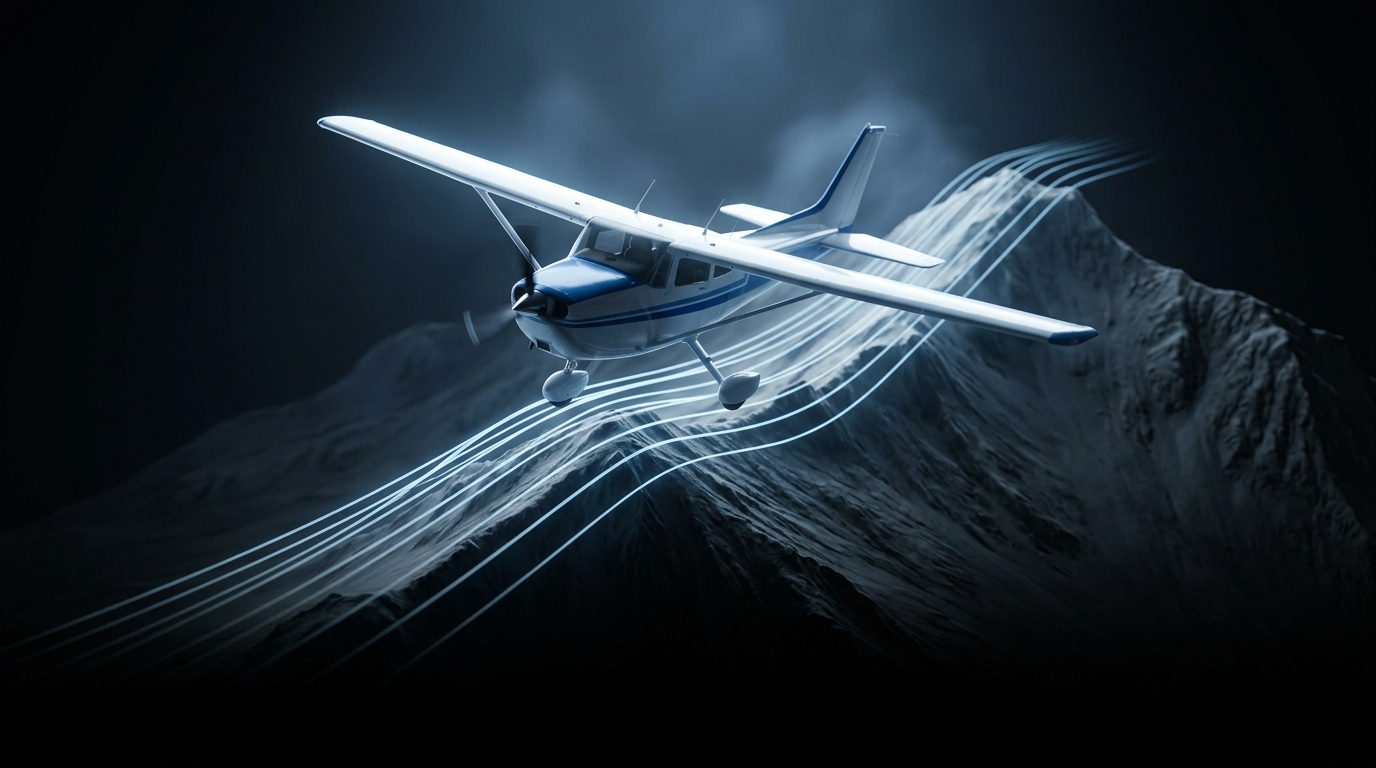
Plate 4: Orographic Mountain Waves, Rotor Turbulence & Wave Clouds
Aerodynamic & Operational Physics
- Stable air forced upward by mountain ranges oscillates downwind forming standing mountain waves.
- Lenticular clouds (ACS/CCS) mark wave crests; Rotor clouds form underneath severe turbulent eddy currents.
- Downdrafts on the lee side can exceed 2,000-3,000 ft/min, exceeding small aircraft max climb capability.
CASA & FAA Exam Gotcha Alert
CASA / FAA Exam Trap: Cross mountain ridges at a 45° angle (not 90°) to allow quick turn-away if severe lee downdrafts are encountered.
Frequently Asked Questions & Exam Explanations
Why cross mountain ridges at a 45-degree angle?
It permits an immediate 135-degree turn away from the mountain if dangerous downdrafts or rotor turbulence are encountered.
Master Orographic Mountain Waves, Rotor Turbulence & Wave Clouds in the Simulator
Drill targeted CASA and FAA exam questions with step-by-step mathematical decoders and regulatory clause links.
Take free CASA diagnostic test →
 Aero Academic