CASA Ref: CASR Part 61 MOS Schedule 3 AD(H) 1.2 · FAA Ref: FAA-S-ACS-15 Area I Task E (Helicopter Aerodynamics)
Scenario & Physics Summary
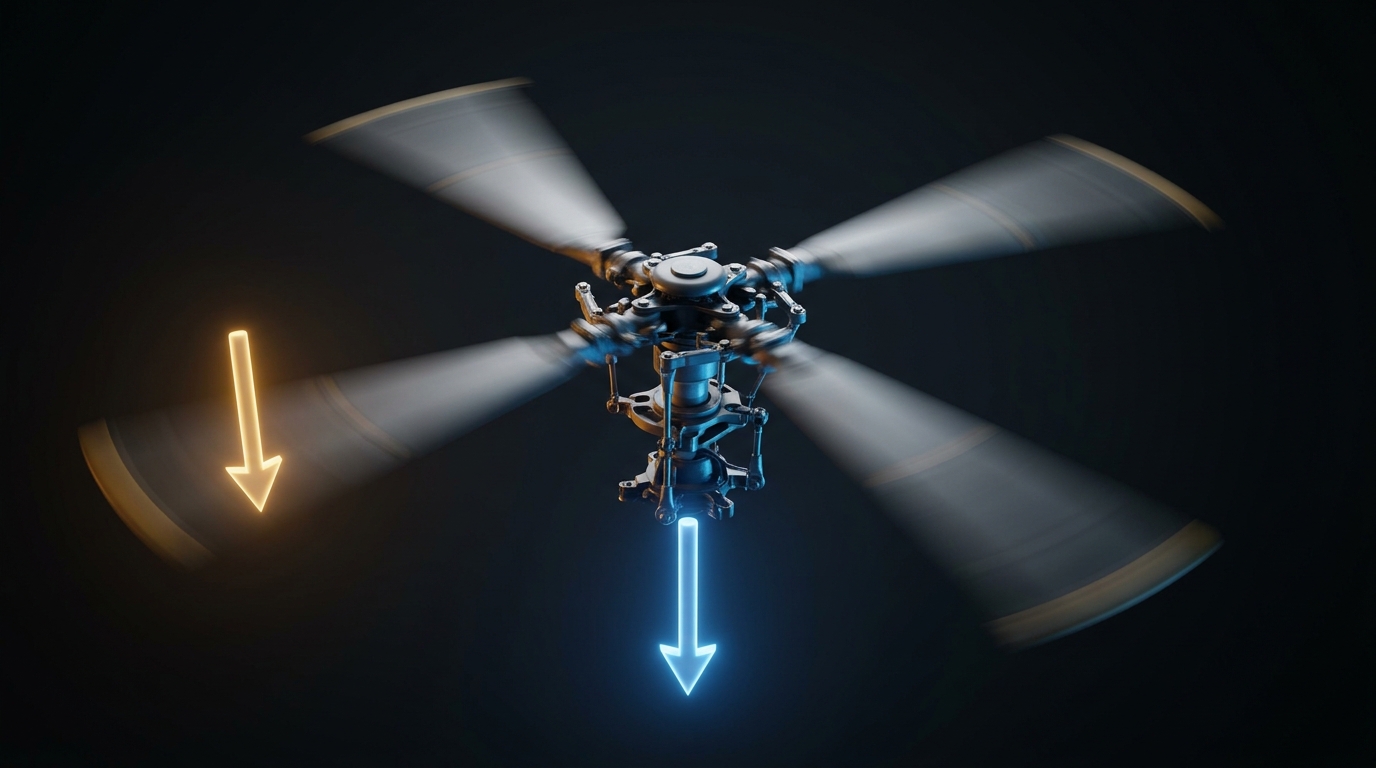
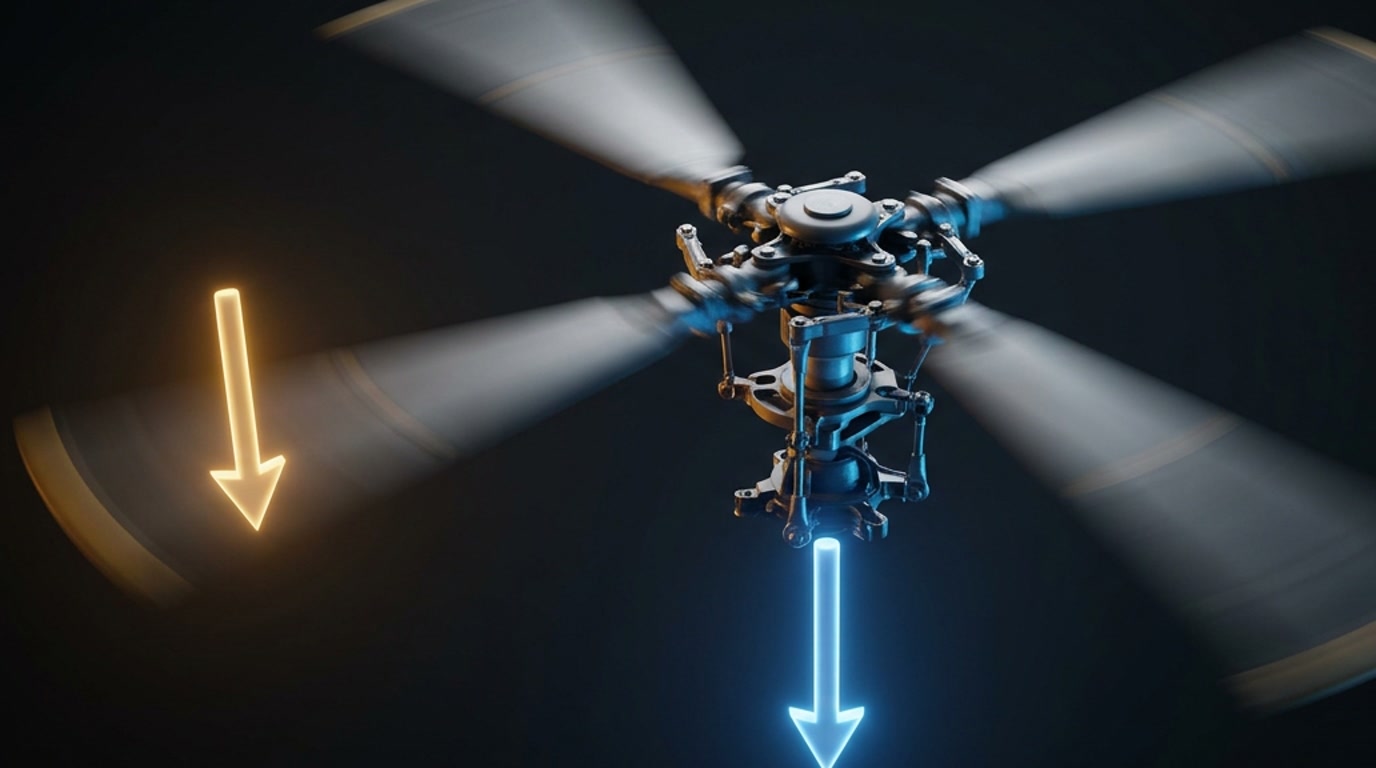
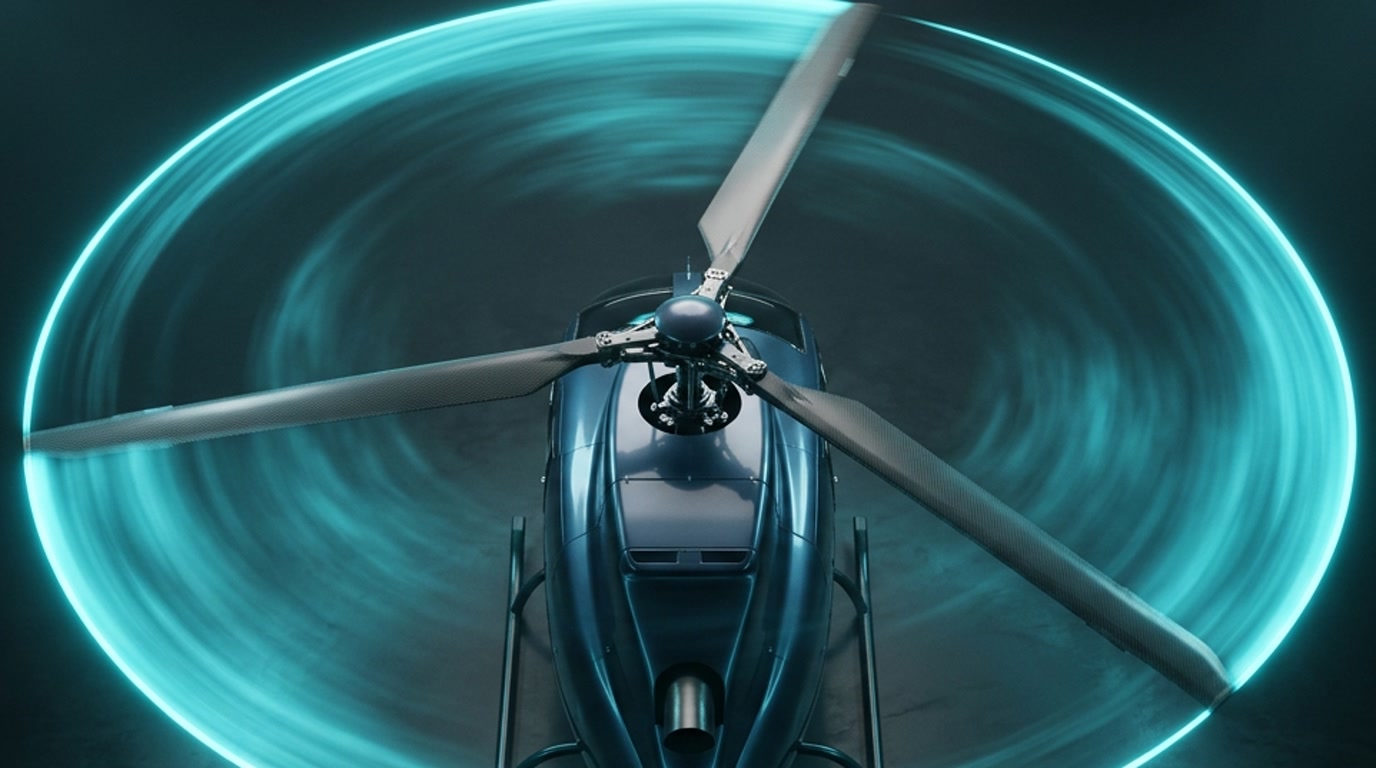
When a force is applied to a spinning rotor blade, the maximum resultant deflection occurs 90° later in the direction of rotation.
Interactive 3D Visual Plates & Scenario Media
Plate 1: Gyroscopic Precession & 90° Phase Lag in Rotors
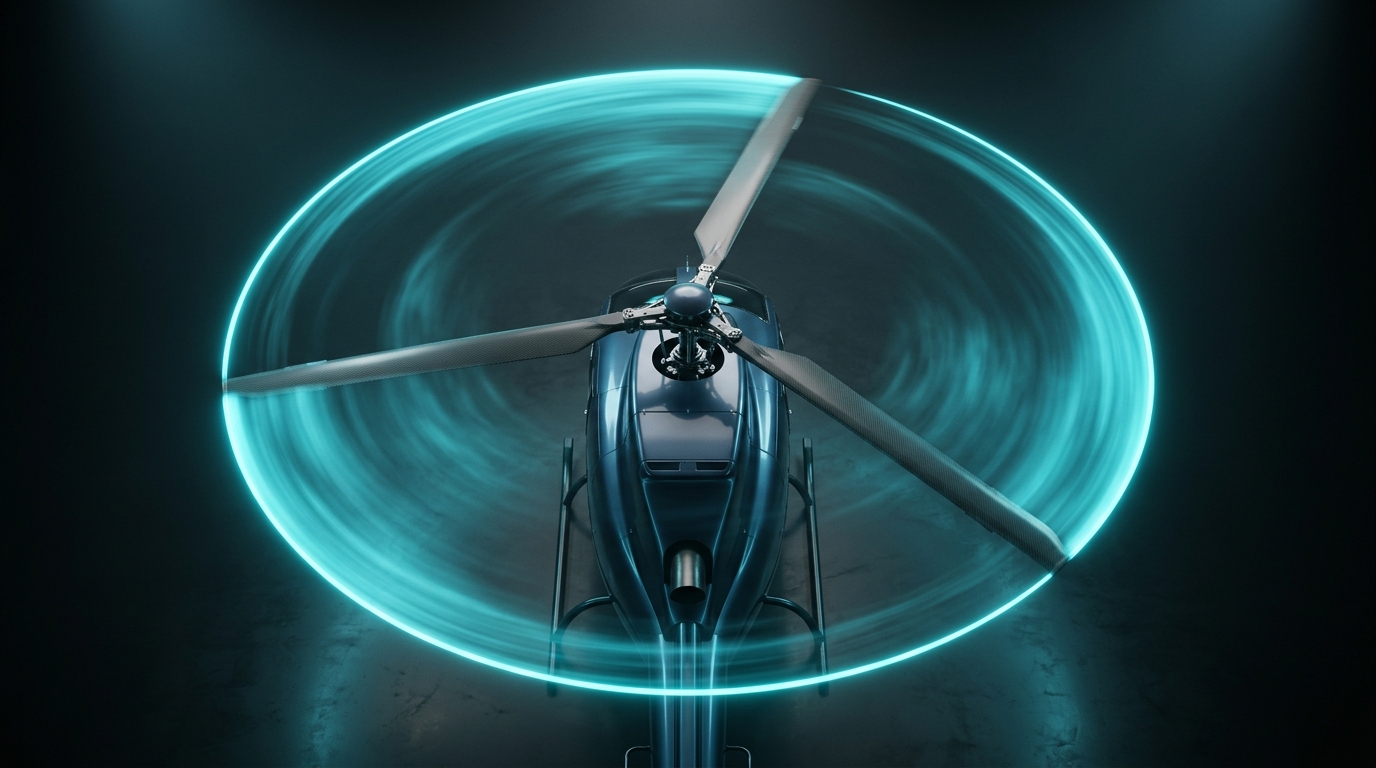
Plate 2: Gyroscopic Precession & 90° Phase Lag in Rotors
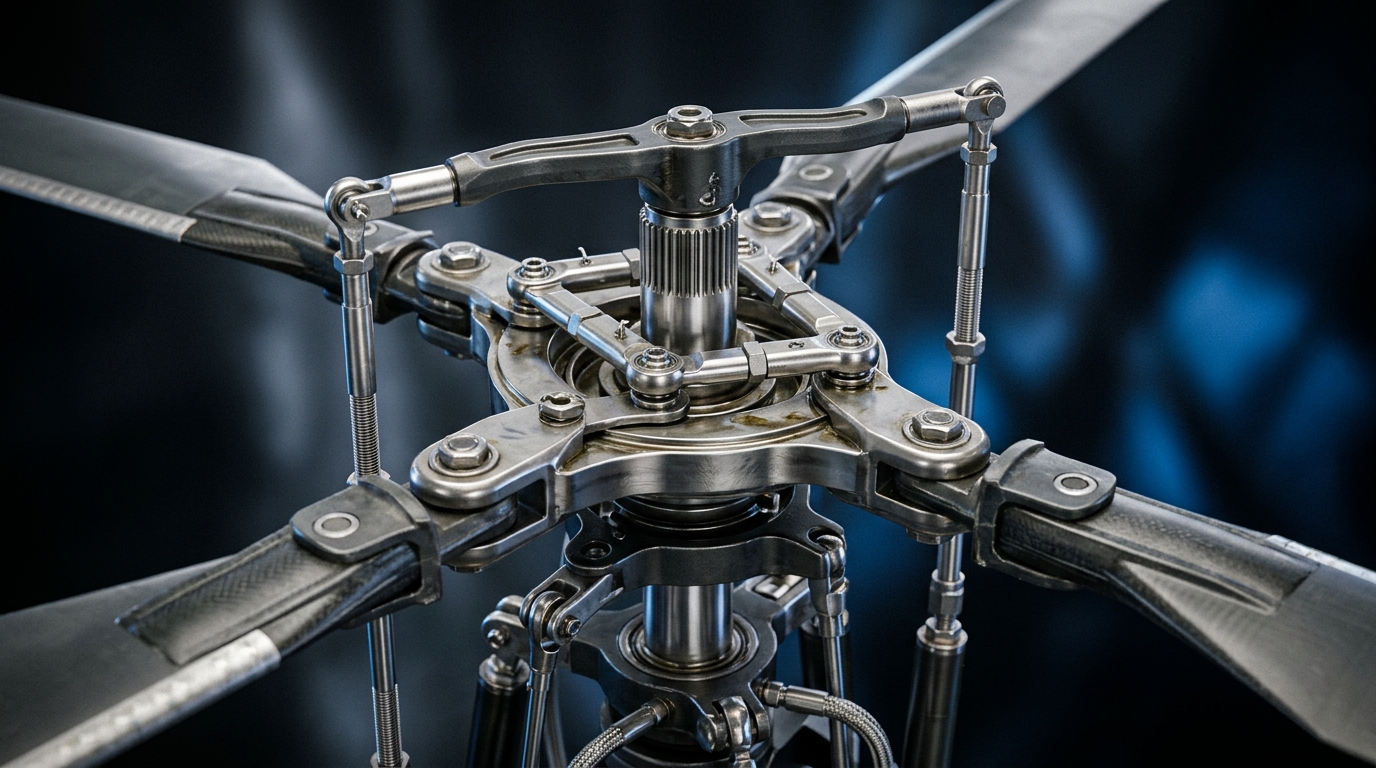
Plate 3: Gyroscopic Precession & 90° Phase Lag in Rotors
Plate 4: Gyroscopic Precession & 90° Phase Lag in Rotors
Plate 5: Gyroscopic Precession & 90° Phase Lag in Rotors
Plate 6: Gyroscopic Precession & 90° Phase Lag in Rotors
Aerodynamic & Operational Physics
A spinning rotor acts as a gyroscope possessing inertia and precession.
To tilt the rotor disc forward, maximum pitch increase must occur over the left/aft position so the blade reaches maximum upward displacement 90° later at the tail.
Swashplate control linkages are rotated 90° ahead of rotor blades to account for this phase lag automatically.
CASA & FAA Exam Gotcha Alert
Exam Trap: Candidates confuse mechanical phase lag with aerodynamic damping. Mechanical swashplate offset handles precession so cyclic input matches desired movement.
Frequently Asked Questions & Exam Explanations
What is gyroscopic precession?
The phenomenon where an applied force on a rotating body manifests maximum deflection 90 degrees later in the direction of rotation.
Master Gyroscopic Precession & 90° Phase Lag in Rotors in the Simulator
Drill targeted CASA and FAA exam questions with step-by-step mathematical decoders and regulatory clause links.
 Aero Academic