Helicopter Dynamics · AERO
Low Rotor RPM Decay on Takeoff & Blade Stall Trap
CASA Ref: CASR Part 61 MOS Schedule 3 AD(H) 1.4 · FAA Ref: FAA-S-ACS-15 Area I Task E (Helicopter Aerodynamics)
Scenario & Physics Summary
Over-pitching collective at low power causes rotor RPM to decay below operating limits, leading to rotor stall and rapid descent.
Interactive 3D Visual Plates & Scenario Media

Plate 1: Low Rotor RPM Decay on Takeoff & Blade Stall Trap

Plate 2: Low Rotor RPM Decay on Takeoff & Blade Stall Trap
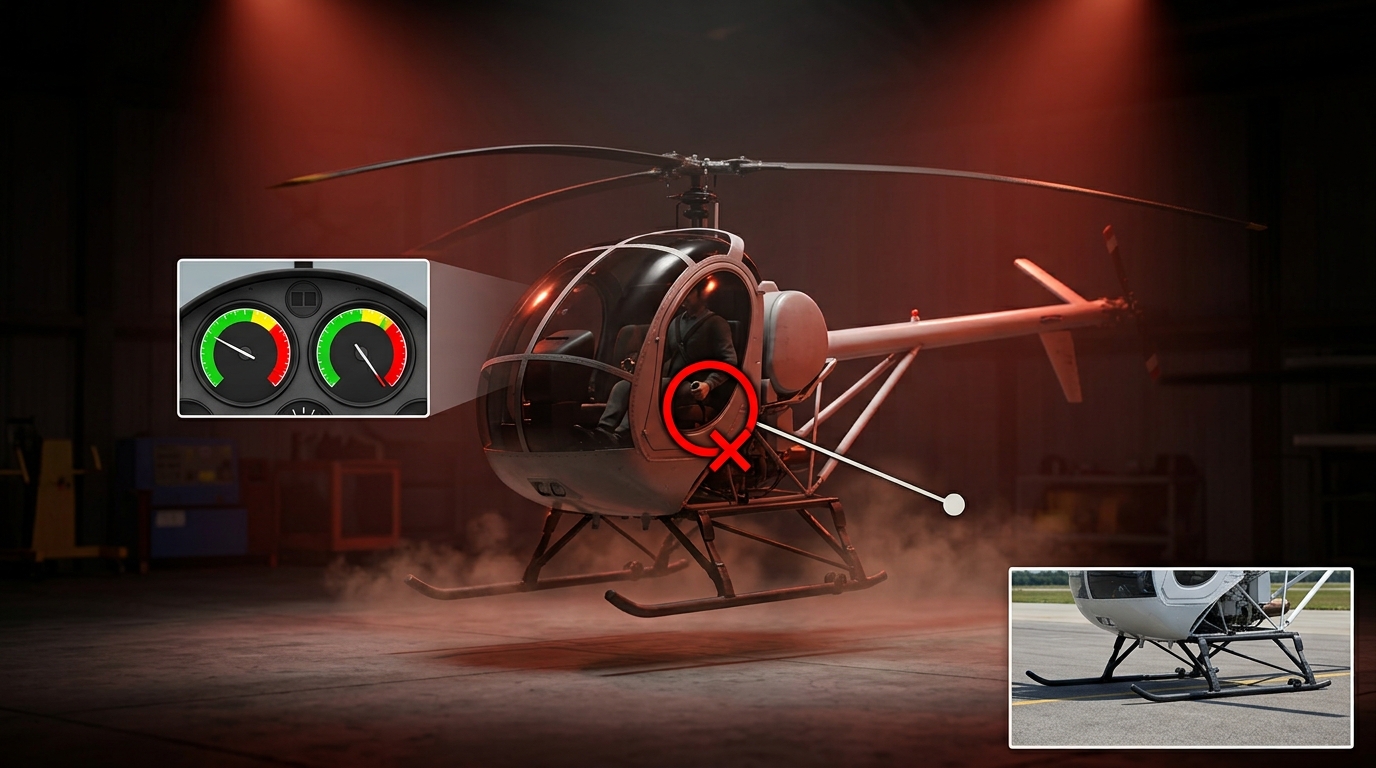
Plate 3: Low Rotor RPM Decay on Takeoff & Blade Stall Trap

Plate 4: Low Rotor RPM Decay on Takeoff & Blade Stall Trap
Aerodynamic & Operational Physics
- Rotor thrust depends on rotor RPM squared (T ∝ RPM²).
- If collective is raised beyond engine horsepower limits, drag exceeds engine torque, decaying rotor RPM.
- As RPM drops, pilot pulls more collective to maintain lift, increasing pitch and drag further—entering rotor stall.
- Recovery: Immediately LOWER COLLECTIVE to reduce drag and restore RPM.
CASA & FAA Exam Gotcha Alert
CASA / FAA Exam Trap: Pulling collective when rotor RPM is decaying accelerates rotor stall. You MUST lower collective immediately.
Frequently Asked Questions & Exam Explanations
How do you recover from decaying low rotor RPM in flight?
Immediately lower collective to reduce blade drag, roll throttle on, and push forward cyclic to unload the disc.
Master Low Rotor RPM Decay on Takeoff & Blade Stall Trap in the Simulator
Drill targeted CASA and FAA exam questions with step-by-step mathematical decoders and regulatory clause links.
Take free CASA diagnostic test →
 Aero Academic