Meteorology · PERF
High Density Altitude Takeoff & Climb Performance Trap
CASA Ref: CASR Part 61 MOS Schedule 3 COPA / CMET · FAA Ref: FAA-S-ACS-6C Area I Task C (Performance & Limitations)
Scenario & Physics Summary
High pressure altitude, high temperature, and high humidity decrease air density, increasing takeoff roll and reducing rate of climb.
Interactive 3D Visual Plates & Scenario Media

Plate 1: High Density Altitude Takeoff & Climb Performance Trap
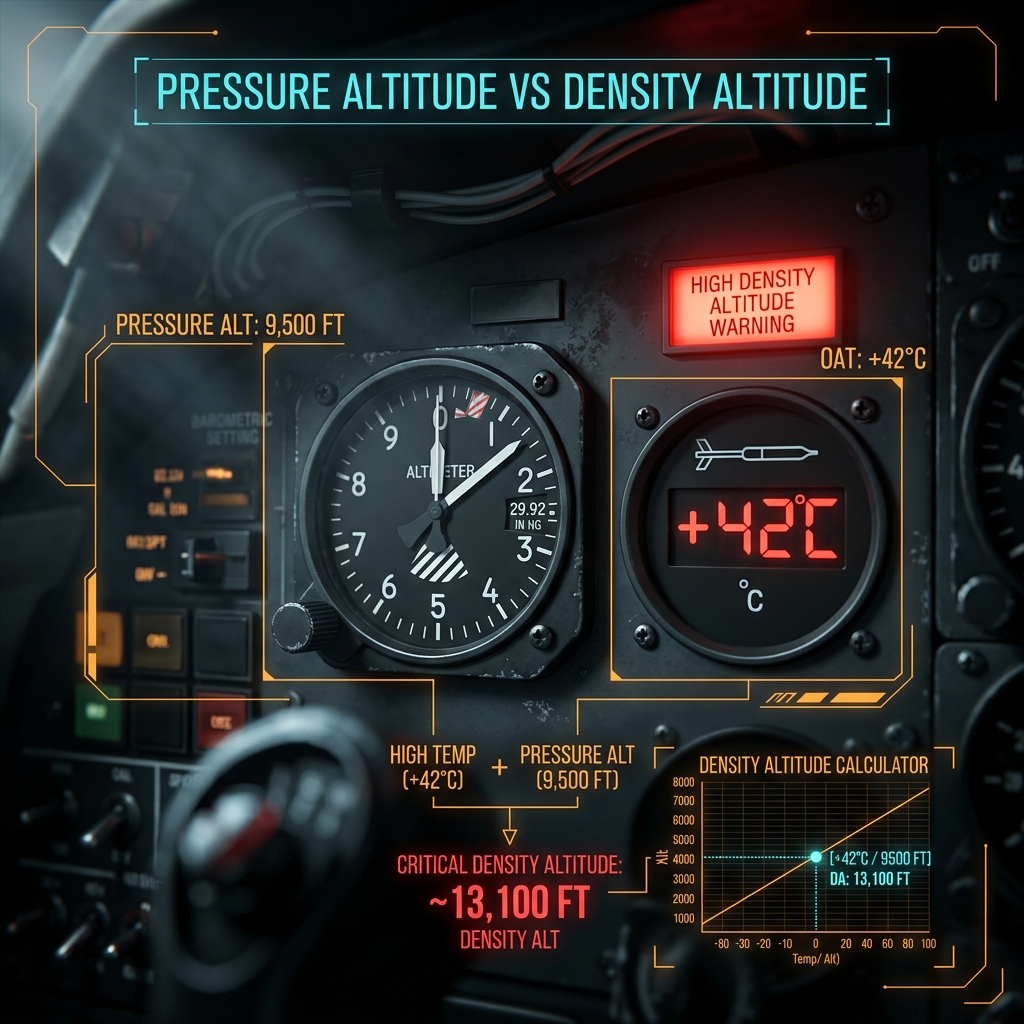
Plate 2: High Density Altitude Takeoff & Climb Performance Trap

Plate 3: High Density Altitude Takeoff & Climb Performance Trap

Plate 4: High Density Altitude Takeoff & Climb Performance Trap
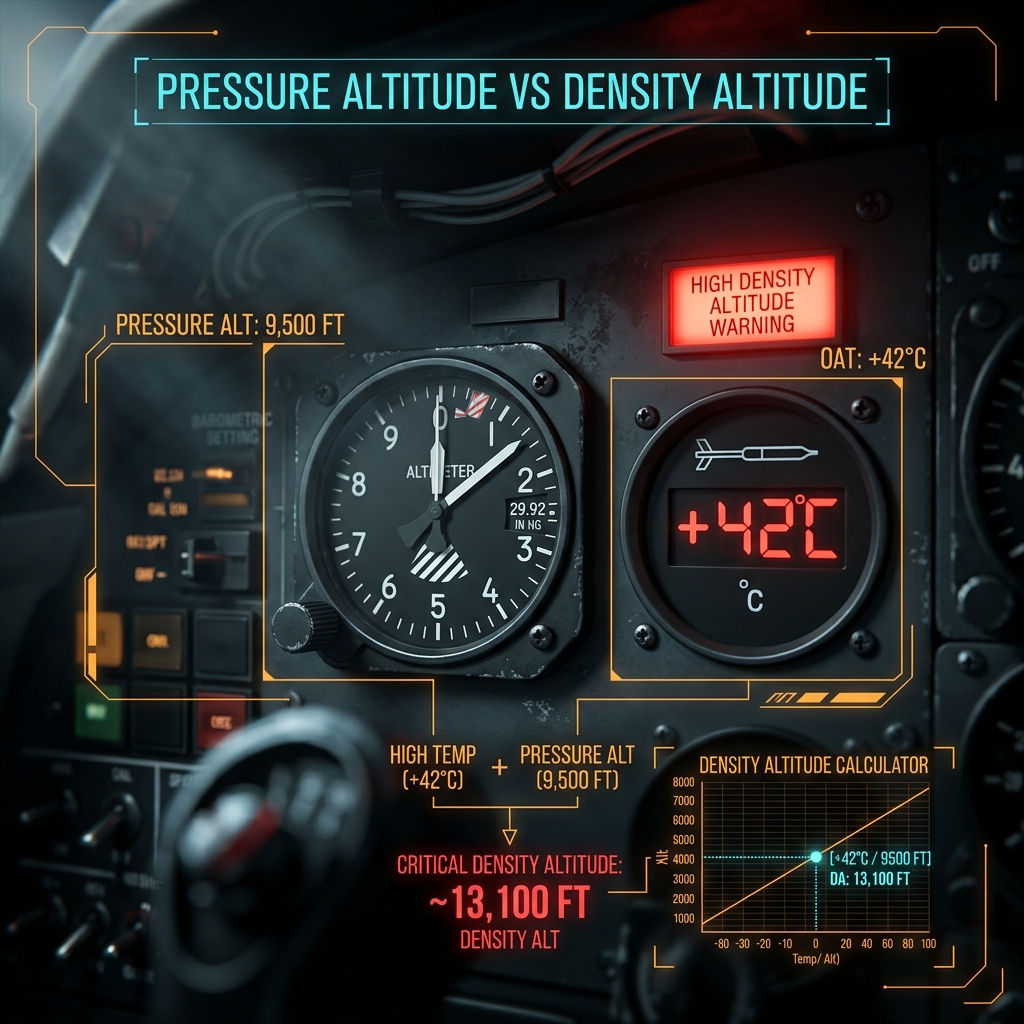
Plate 5: High Density Altitude Takeoff & Climb Performance Trap

Plate 6: High Density Altitude Takeoff & Climb Performance Trap
Aerodynamic & Operational Physics
- Density altitude is pressure altitude corrected for non-standard temperature.
- Lower air density reduces engine horsepower (less oxygen mass), reduces propeller thrust, and requires higher True Airspeed (TAS) to achieve required Indicated Airspeed (IAS) lift.
- Takeoff ground roll increases by roughly 10% for every 1,000 ft increase in density altitude.
CASA & FAA Exam Gotcha Alert
Exam Trap: High density altitude increases True Airspeed at takeoff, but Indicated Airspeed for stall and lift-off remains unchanged.
Frequently Asked Questions & Exam Explanations
Does stall speed change with high density altitude?
Indicated stall speed stays the same, but True Airspeed (TAS) at stall increases, requiring a longer ground roll.
Master High Density Altitude Takeoff & Climb Performance Trap in the Simulator
Drill targeted CASA and FAA exam questions with step-by-step mathematical decoders and regulatory clause links.
Take free CASA diagnostic test →
 Aero Academic