Emergency Procedures · AERO
Helicopter Autorotation & Touchdown Execution
CASA Ref: CASR Part 61 MOS Schedule 3 AD(H) 3.1 · FAA Ref: FAA-S-ACS-15 Area IX Task B (Autorotation)
Scenario & Physics Summary
Converting aircraft potential energy (altitude) and kinetic energy (airspeed) into rotor inertia to land safely following engine failure.
Interactive 3D Visual Plates & Scenario Media
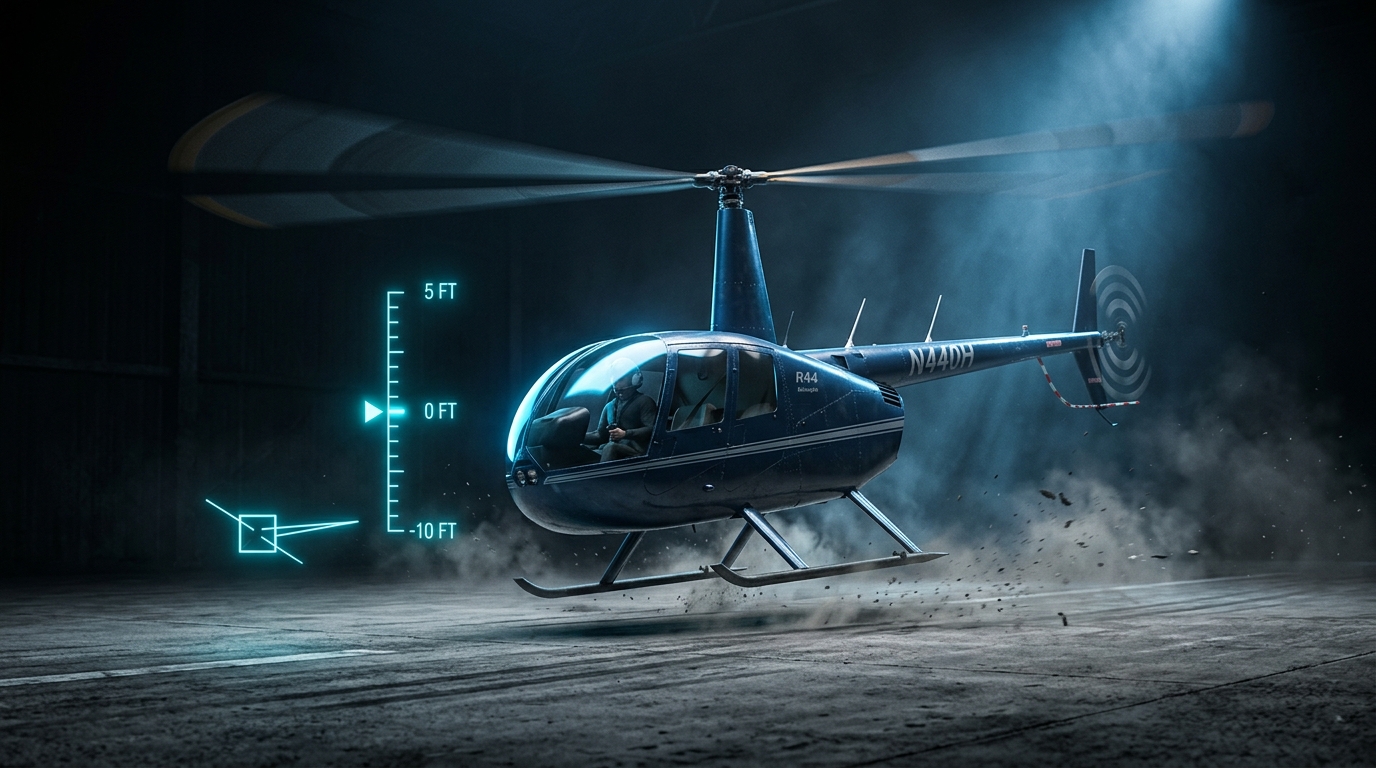
Plate 1: Helicopter Autorotation & Touchdown Execution
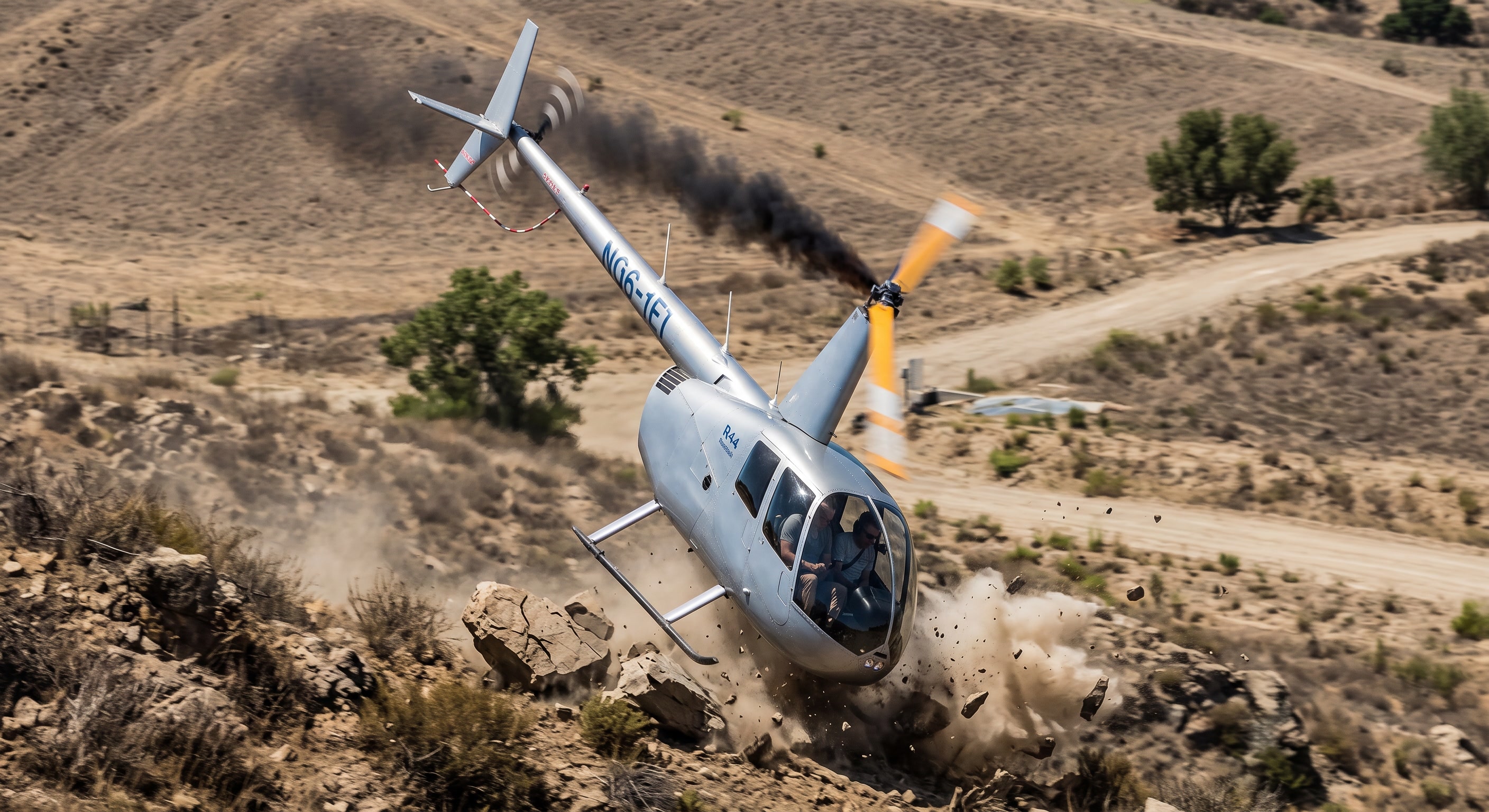
Plate 2: Helicopter Autorotation & Touchdown Execution
Aerodynamic & Operational Physics
- Upward airflow through the rotor disc turns the blades during descent (autorotative region).
- Three blade zones: Driven Region (blade tip, creates drag), Driving Region (middle 25-70%, produces autorotative force), Stall Region (root area).
- Flare at 40-75ft AGL converts forward speed to rotor RPM boost, reducing rate of descent. Level skids and cushion touchdown with remaining collective.
CASA & FAA Exam Gotcha Alert
CASA Exam Trap: Lowering collective IMMEDIATELY upon engine failure is vital to prevent rotor RPM decay below critical recovery limit (80-90%).
Frequently Asked Questions & Exam Explanations
What provides rotor rotation during an autorotation?
Upward relative wind passing through the rotor disc during power-off descent creates an accelerating aerodynamic force in the driving region.
Master Helicopter Autorotation & Touchdown Execution in the Simulator
Drill targeted CASA and FAA exam questions with step-by-step mathematical decoders and regulatory clause links.
Take free CASA diagnostic test →
 Aero Academic