Aerodynamics · AERO
Heavy Aircraft Wake Turbulence & Wingtip Vortex Separation
CASA Ref: CASR Part 61 MOS Schedule 3 CADA 1.4 · FAA Ref: FAA-S-ACS-6C Area I Task E (Aerodynamics & Safety)
Scenario & Physics Summary
Counter-rotating wingtip vortices generated by heavy aircraft at high angle of attack, creating severe roll hazards for trailing aircraft.
Interactive 3D Visual Plates & Scenario Media
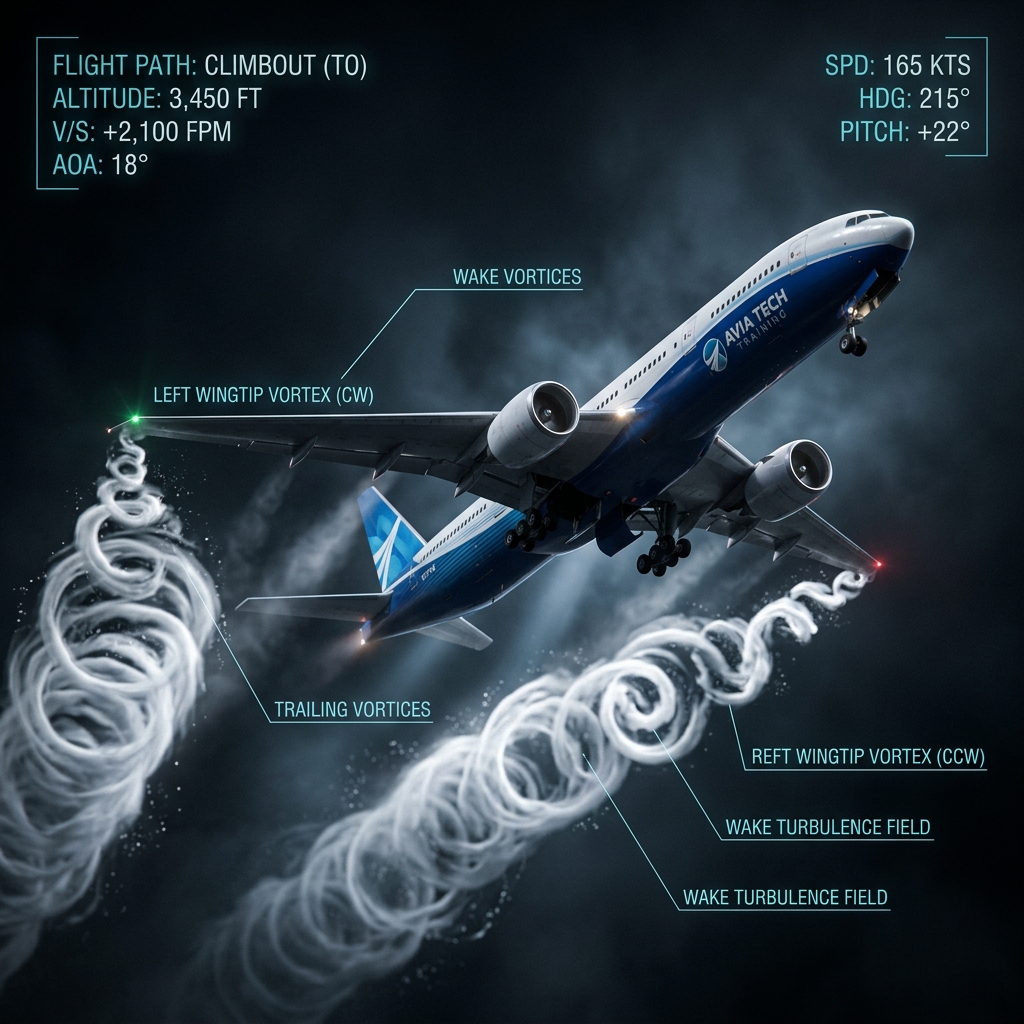
Plate 1: Heavy Aircraft Wake Turbulence & Wingtip Vortex Separation
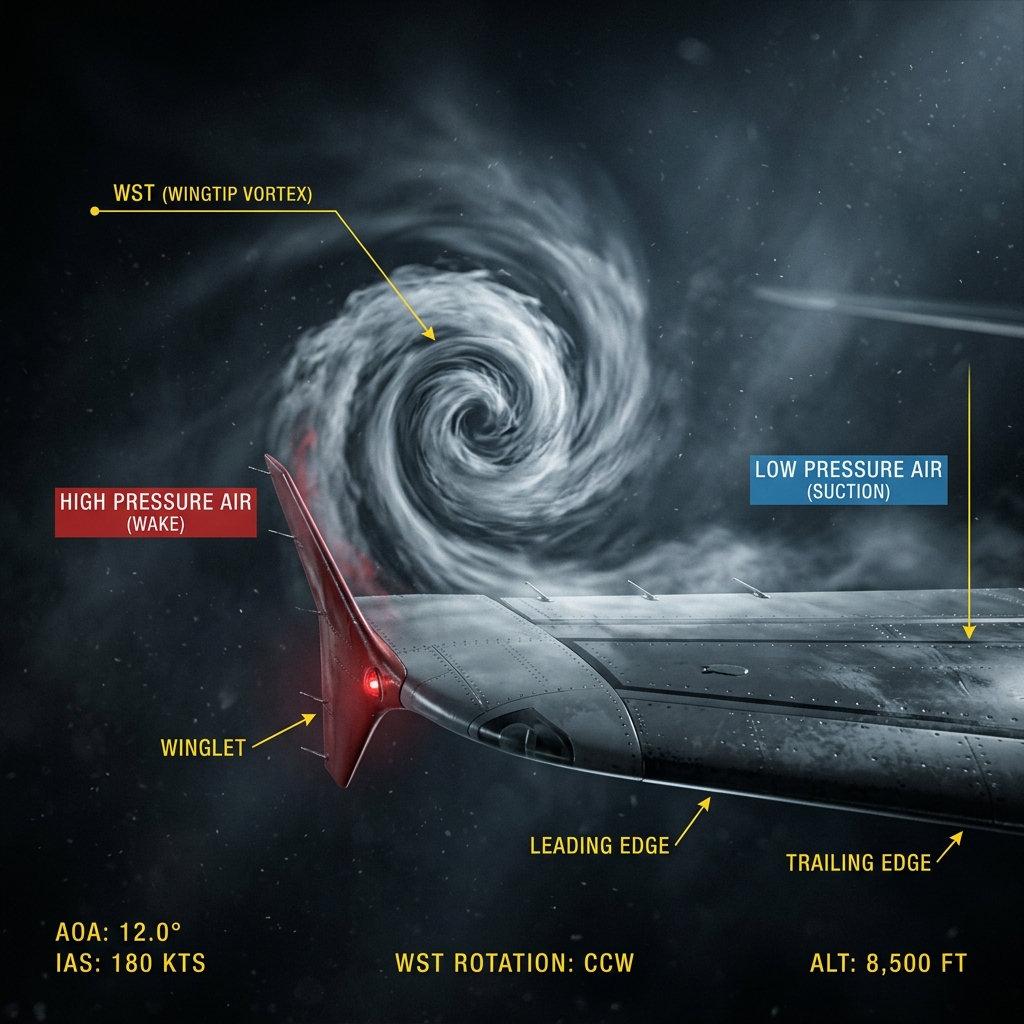
Plate 2: Heavy Aircraft Wake Turbulence & Wingtip Vortex Separation
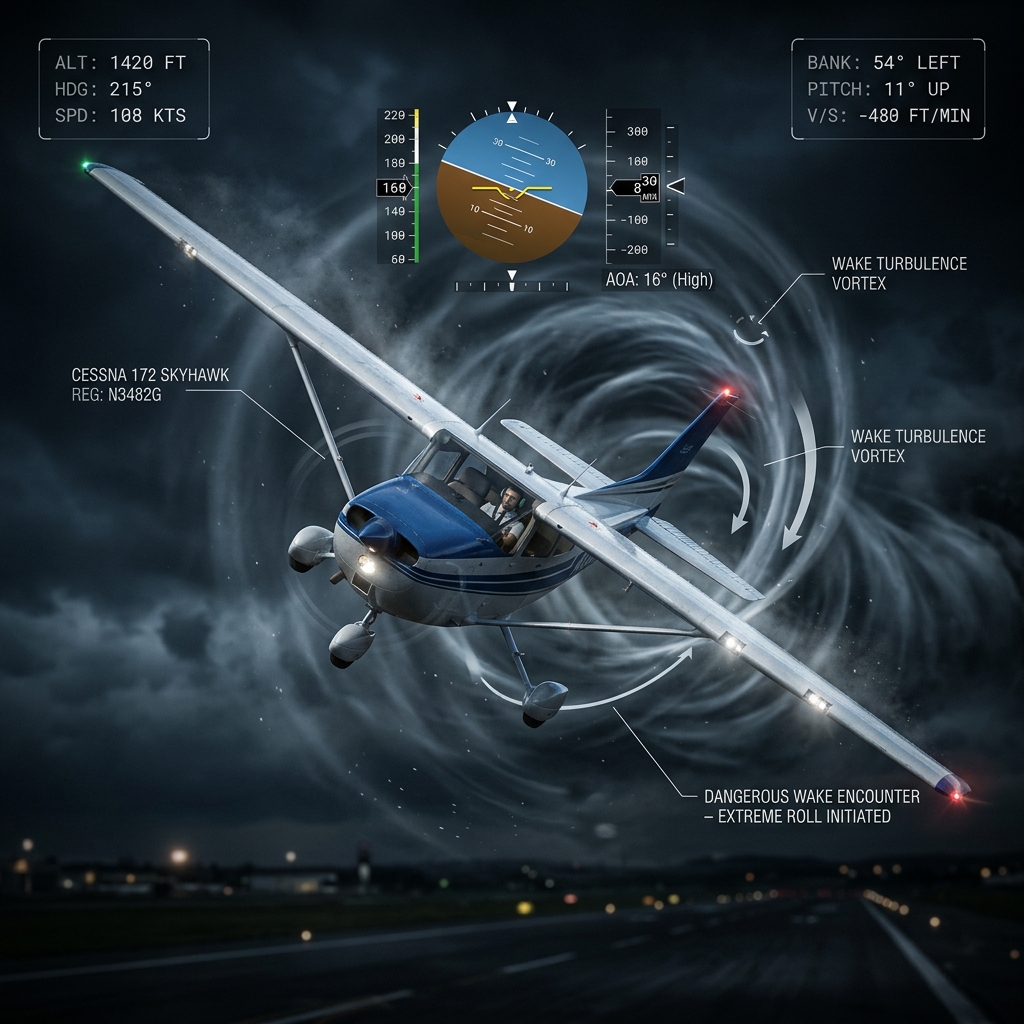
Plate 3: Heavy Aircraft Wake Turbulence & Wingtip Vortex Separation
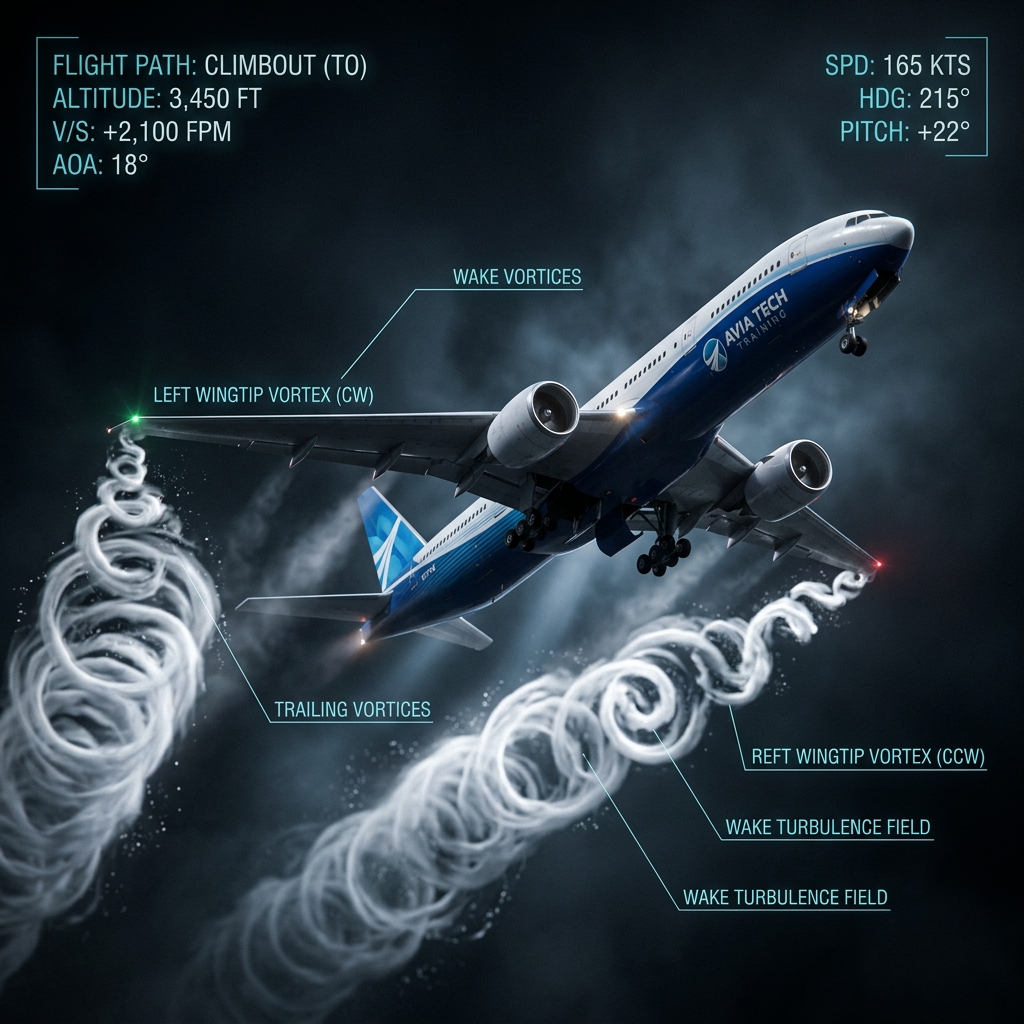
Plate 4: Heavy Aircraft Wake Turbulence & Wingtip Vortex Separation
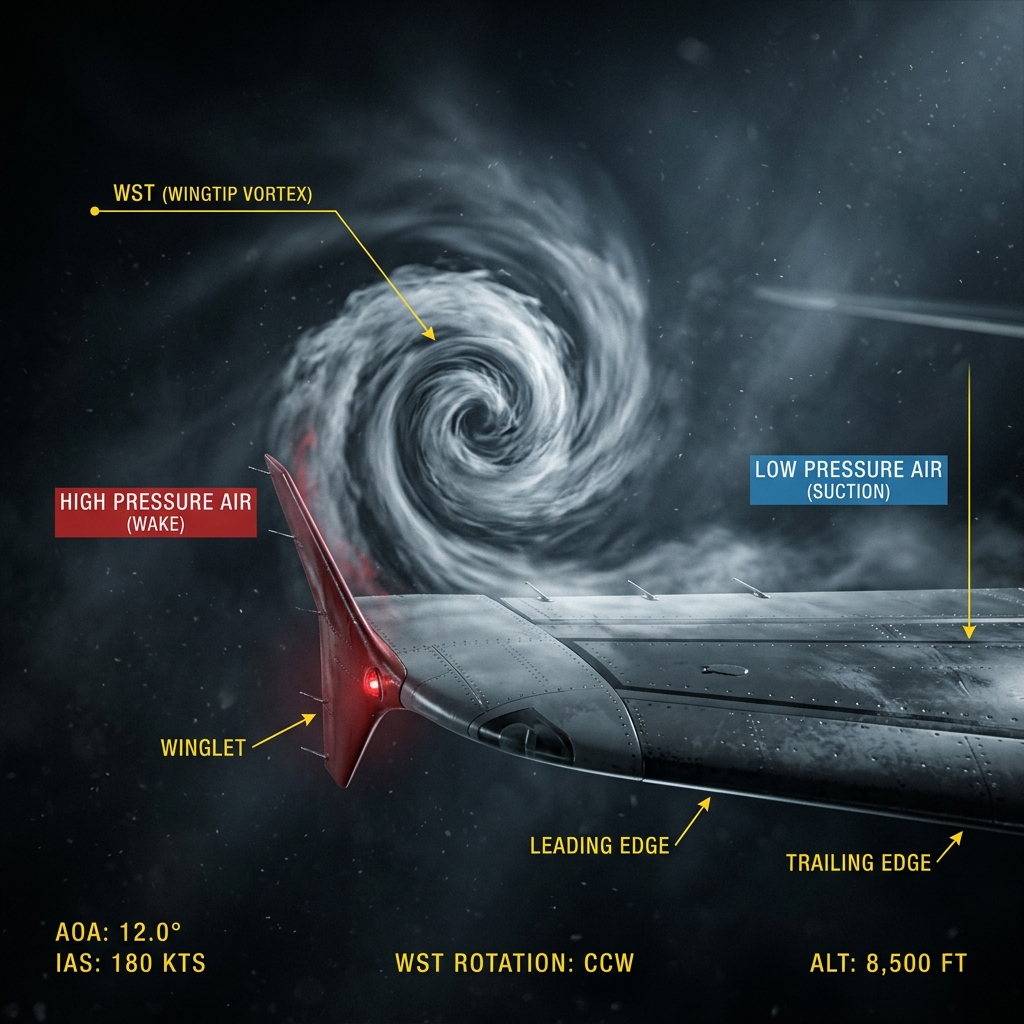
Plate 5: Heavy Aircraft Wake Turbulence & Wingtip Vortex Separation
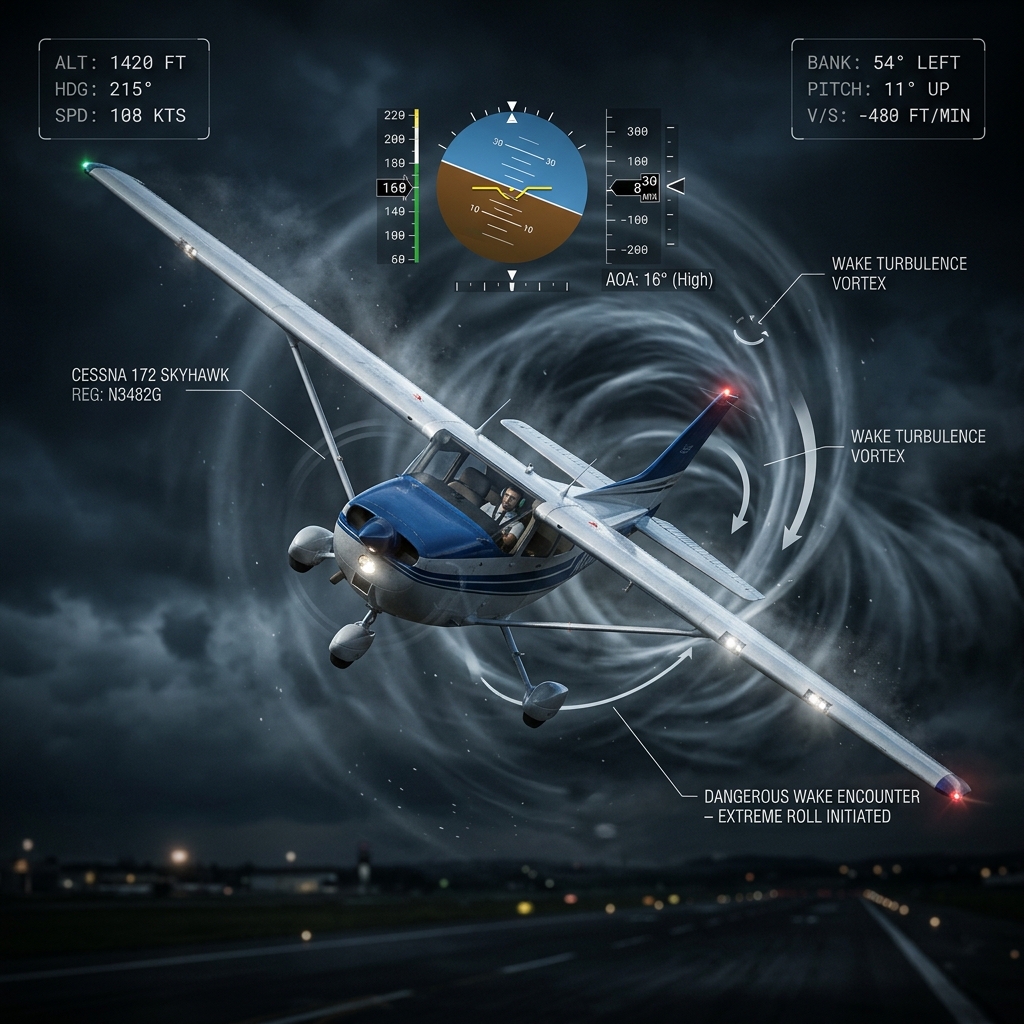
Plate 6: Heavy Aircraft Wake Turbulence & Wingtip Vortex Separation
Aerodynamic & Operational Physics
- Vortices are generated from the moment nosewheel lifts on takeoff until nosewheel touches on landing.
- Strength is maximum when generating aircraft is HEAVY, CLEAN (flaps/gear up), and SLOW (high AoA).
- Vortices sink at 300-500 ft/min and drift with ambient wind.
- Takeoff behind heavy jet: Rotate BEFORE heavy jet rotation point and climb ABOVE its flight path.
- Landing behind heavy jet: Fly ABOVE heavy jet glide path and land BEYOND its touchdown point.
CASA & FAA Exam Gotcha Alert
CASA / FAA Exam Trap: Wingtip vortices are STRONGEST when the generating aircraft is Heavy, Clean, and Slow.
Frequently Asked Questions & Exam Explanations
When are wingtip vortices strongest?
When the generating aircraft is Heavy, Clean (flaps and gear retracted), and Slow (high angle of attack).
How should you land behind a heavy aircraft to avoid wake turbulence?
Stay above the heavy aircraft’s approach flight path and land beyond its touchdown point.
Master Heavy Aircraft Wake Turbulence & Wingtip Vortex Separation in the Simulator
Drill targeted CASA and FAA exam questions with step-by-step mathematical decoders and regulatory clause links.
Take free CASA diagnostic test →
 Aero Academic