CASA Ref: CASR Part 61 MOS Schedule 3 CAKG 2.3 · FAA Ref: FAA-S-ACS-6C Area I Task H (Flight Instruments)
Scenario & Physics Summary
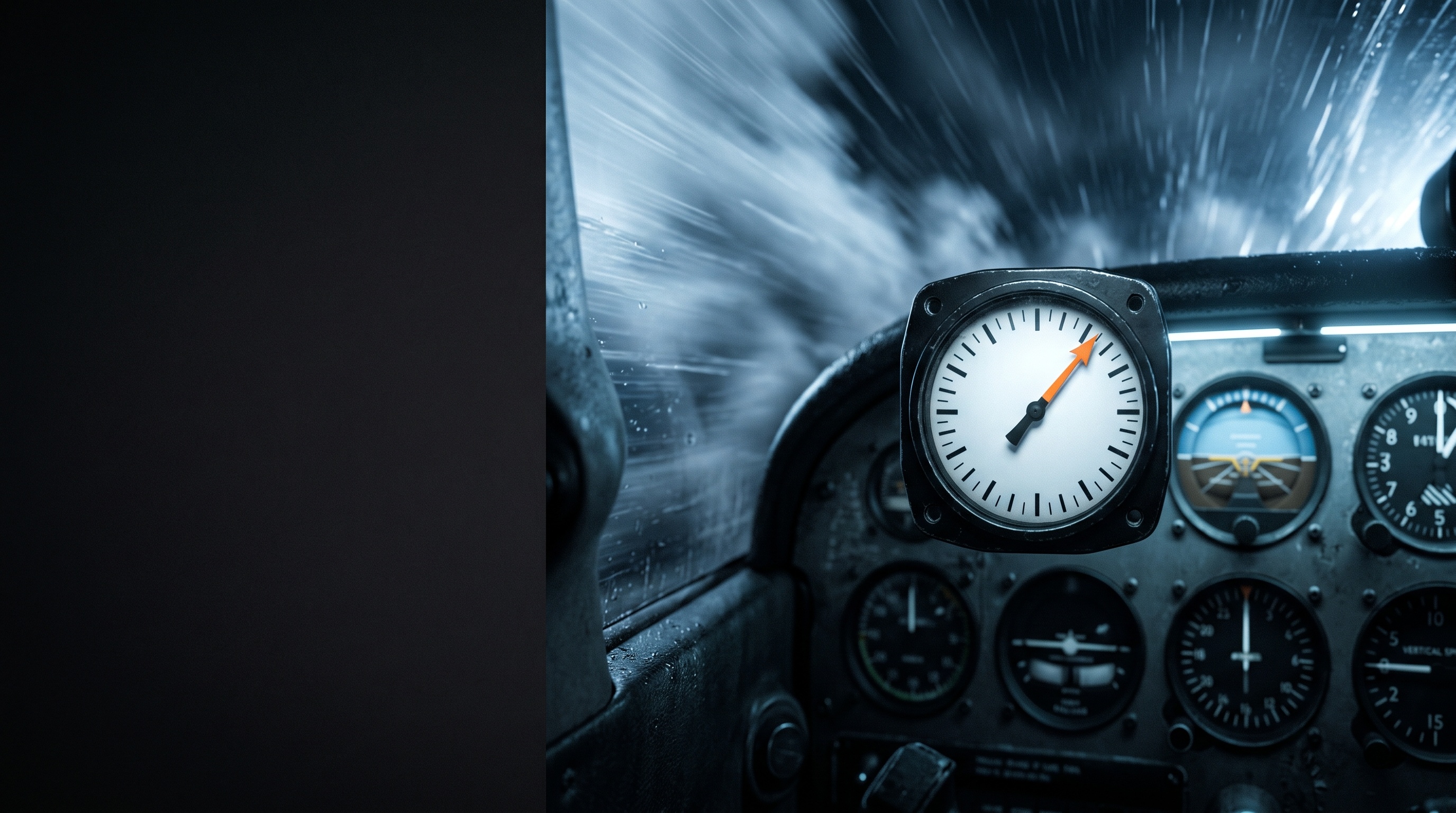
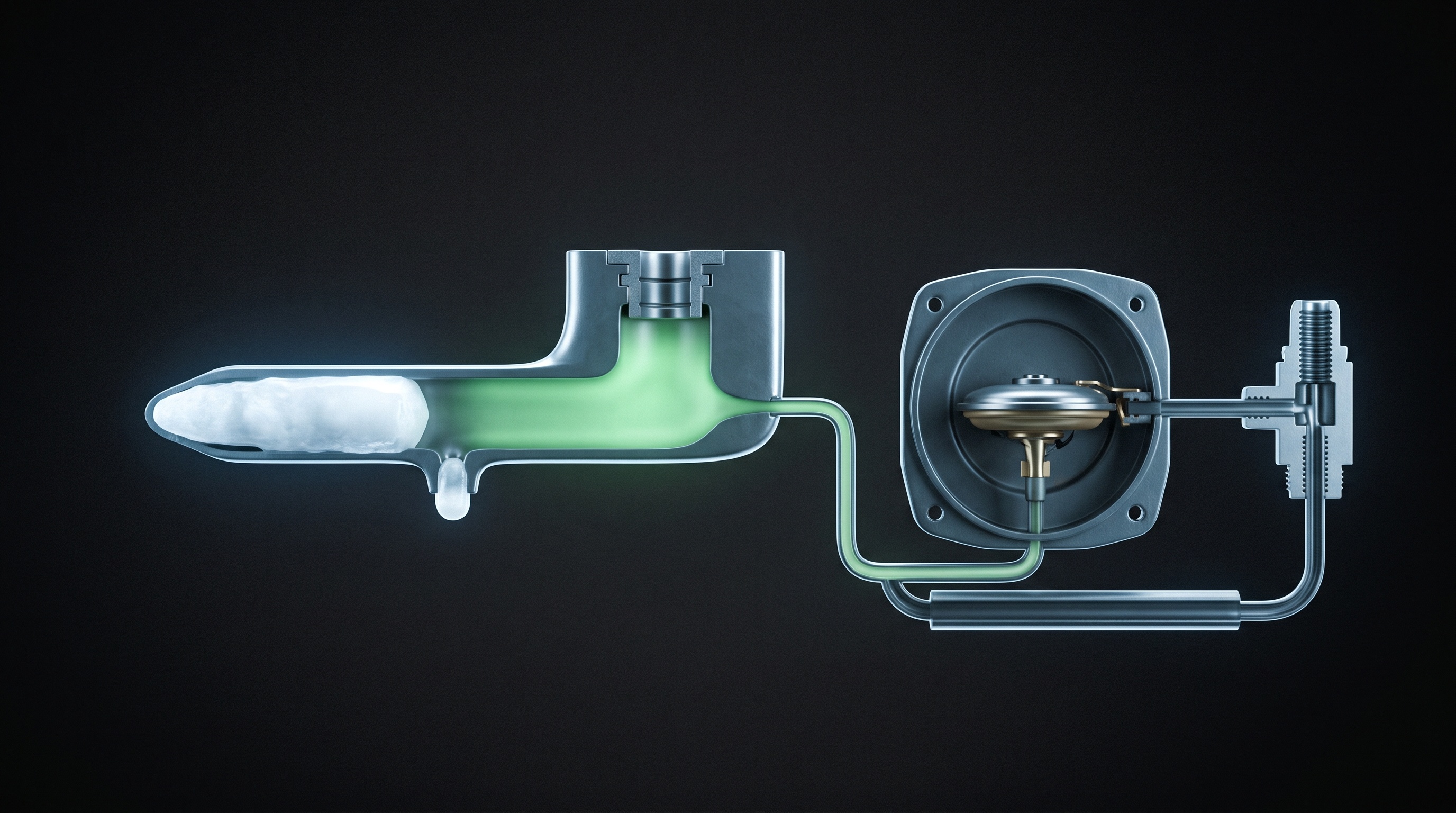
When pitot ram intake AND drain hole block completely, the Airspeed Indicator acts like an ALTIMETER—indicating higher speed in climb and lower speed in descent.
ASI measures total pressure minus static pressure (q = P_total - P_static).
If pitot ram & drain freeze shut, trapped pressure in pitot line remains constant.
As aircraft climbs, ambient static pressure decreases. P_total (trapped) minus P_static (decreasing) increases, making ASI over-indicate airspeed during climb.
CASA & FAA Exam Gotcha Alert
CASA / FAA Exam Trap: A completely blocked pitot tube makes the Airspeed Indicator read HIGH in a climb, tricking the pilot into pitching UP and stalling the airplane!
Frequently Asked Questions & Exam Explanations
How does a blocked pitot tube behave during a climb?
It acts like an altimeter: as altitude increases, indicated airspeed falsely increases, creating a dangerous stall trap.
Master Pitot Tube Blockage (Drain Hole Blocked) Airspeed Indicator Behavior in the Simulator
Drill targeted CASA and FAA exam questions with step-by-step mathematical decoders and regulatory clause links.
 Aero Academic