Helicopter Dynamics · AERO

Teetering Rotor Mast Bumping & Low-G Pushover Hazard

CASA Ref: CASR Part 61 MOS Schedule 3 AD(H) 2.2 · FAA Ref: FAA-S-ACS-15 Area I Task E (Helicopter Aerodynamics)

Scenario & Physics Summary

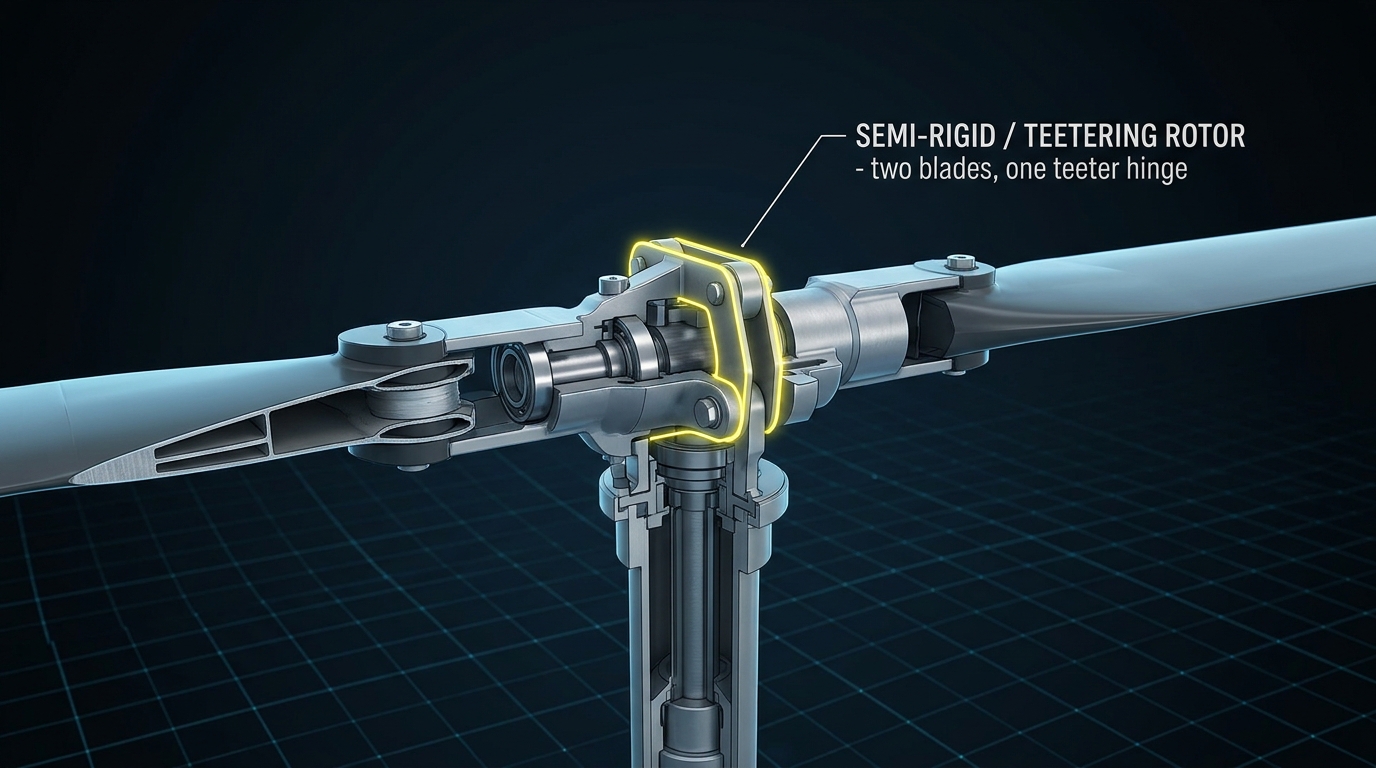
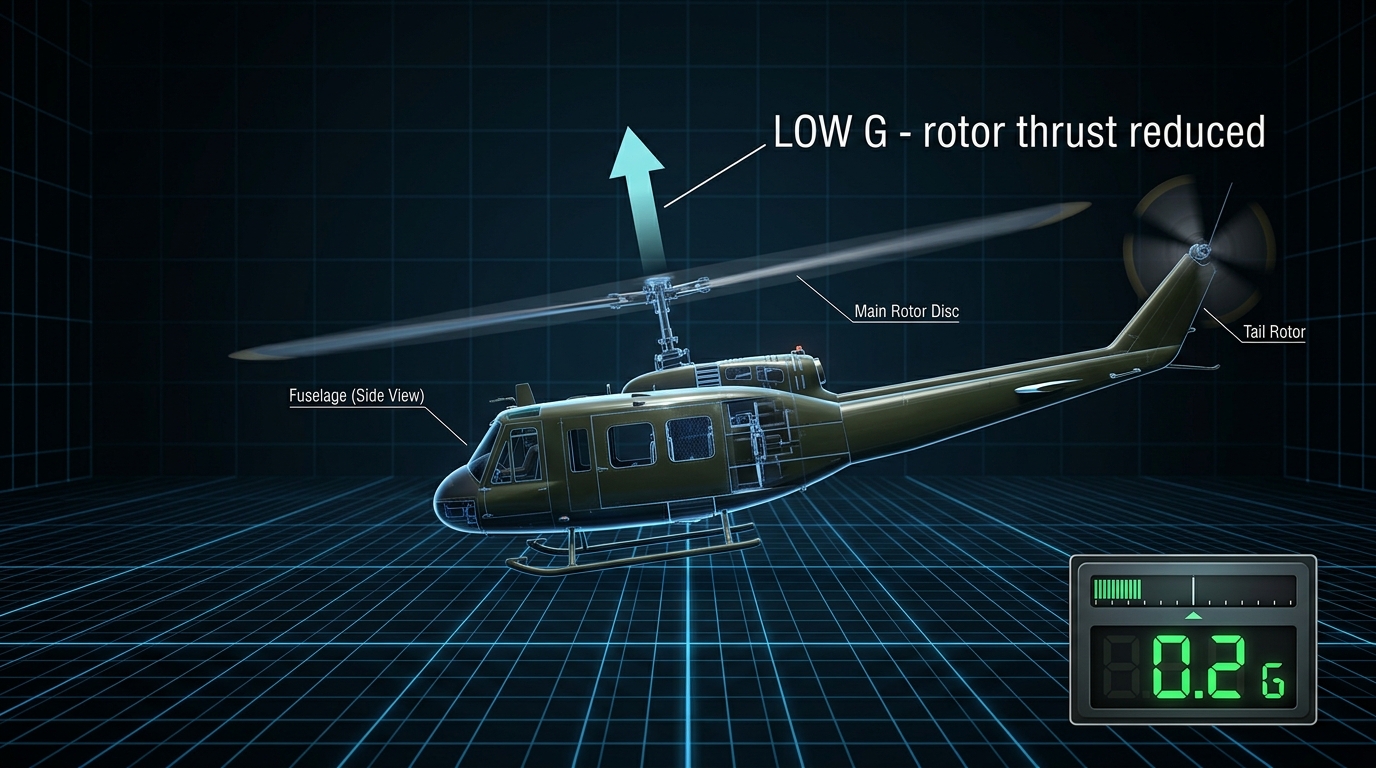
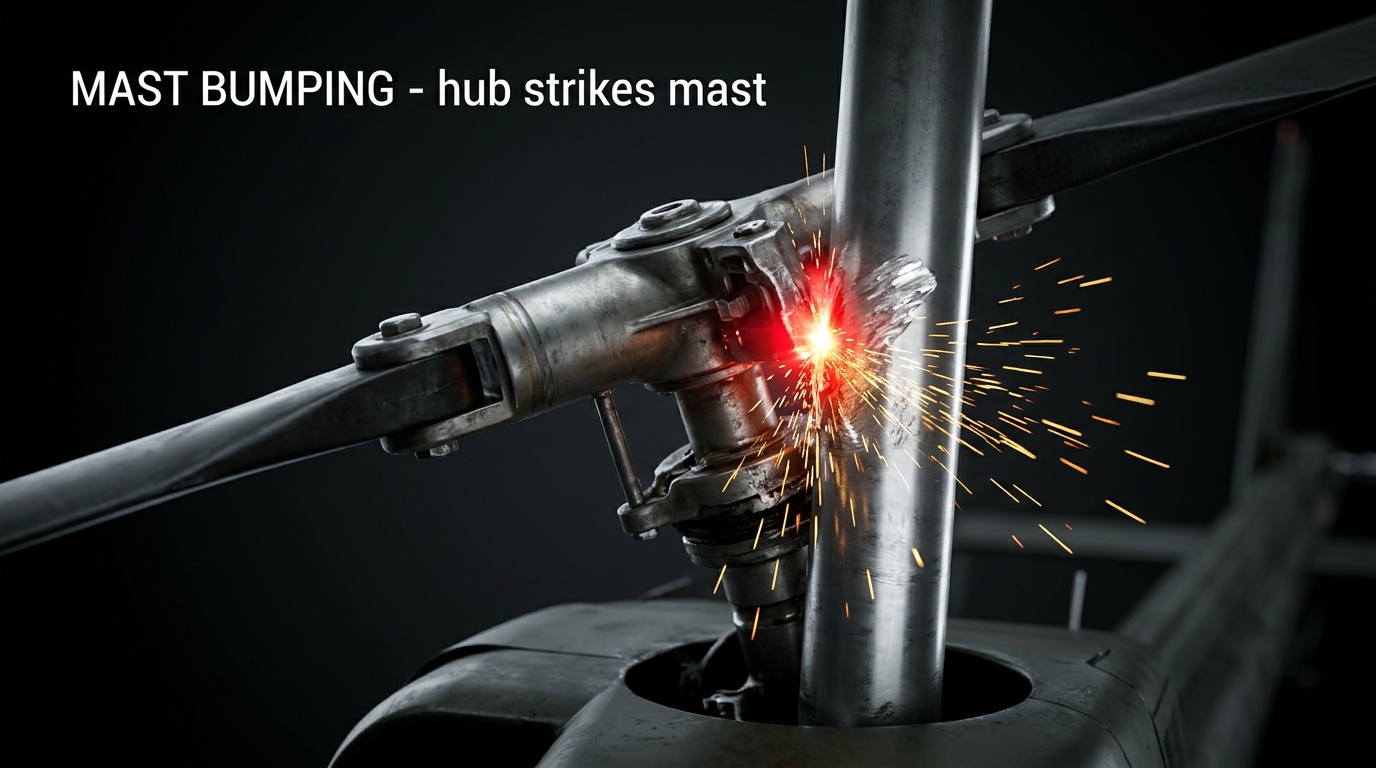
Catastrophic structural contact between rotor hub underslung trunnion and mast during low-G weightless maneuvers on semi-rigid rotors.

Interactive 3D Visual Plates & Scenario Media

Teetering Rotor Mast Bumping & Low-G Pushover Hazard Plate 1
Plate 1: Teetering Rotor Mast Bumping & Low-G Pushover Hazard
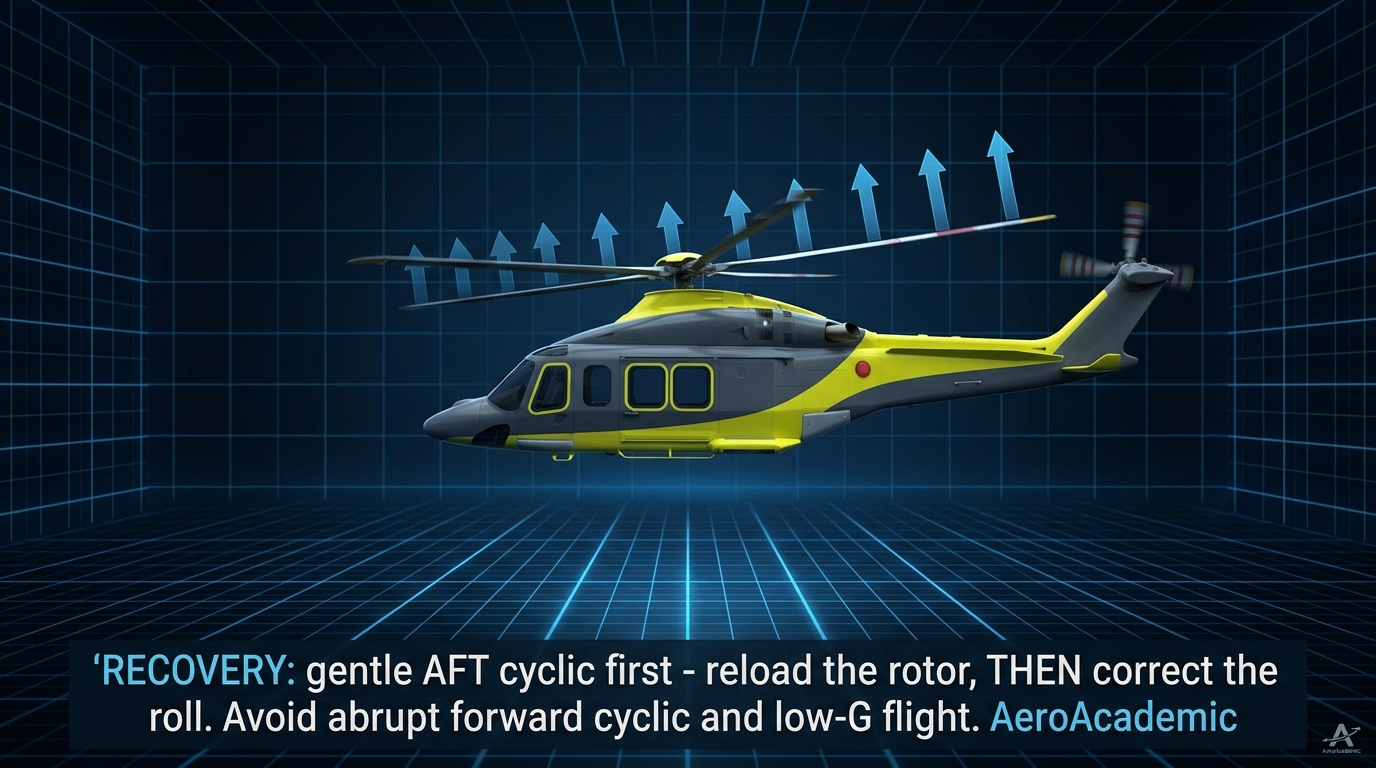
Teetering Rotor Mast Bumping & Low-G Pushover Hazard Plate 2
Plate 2: Teetering Rotor Mast Bumping & Low-G Pushover Hazard
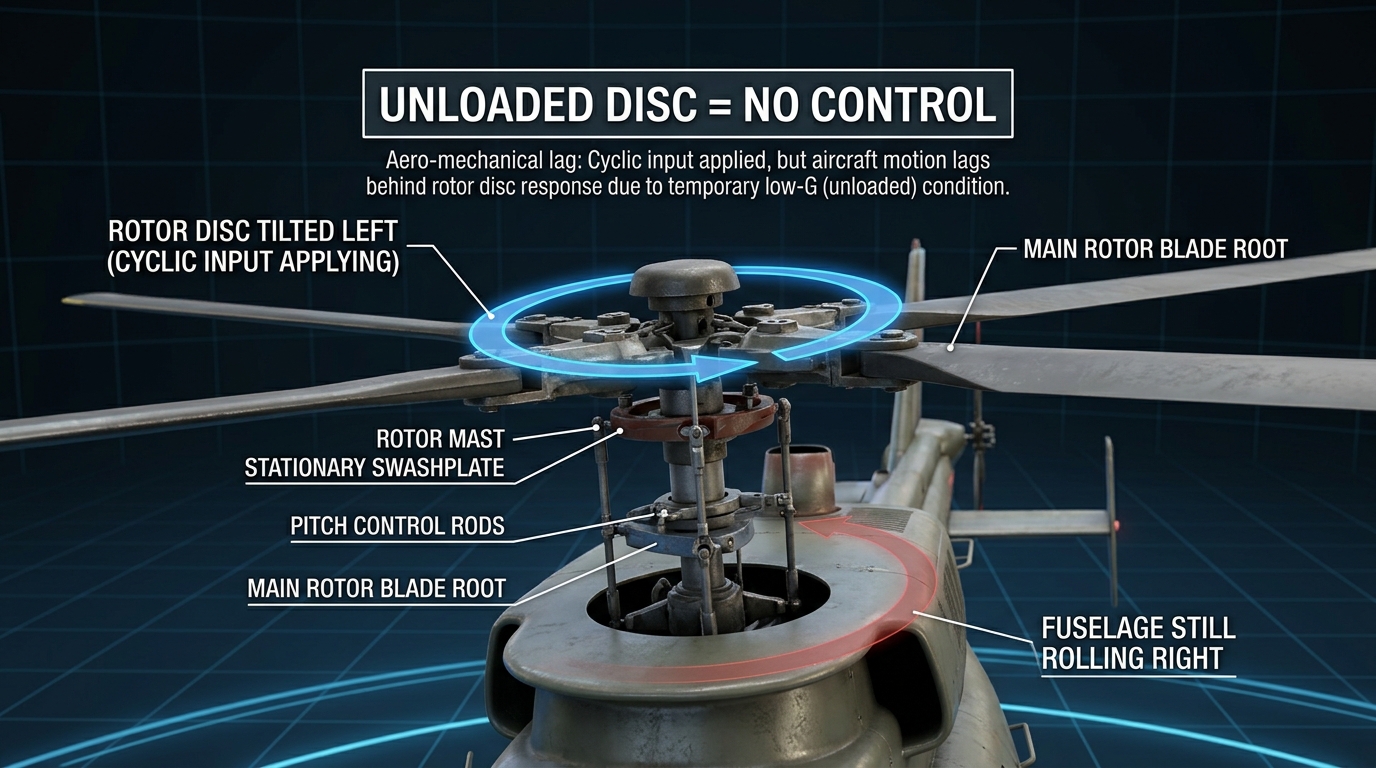
Teetering Rotor Mast Bumping & Low-G Pushover Hazard Plate 3
Plate 3: Teetering Rotor Mast Bumping & Low-G Pushover Hazard
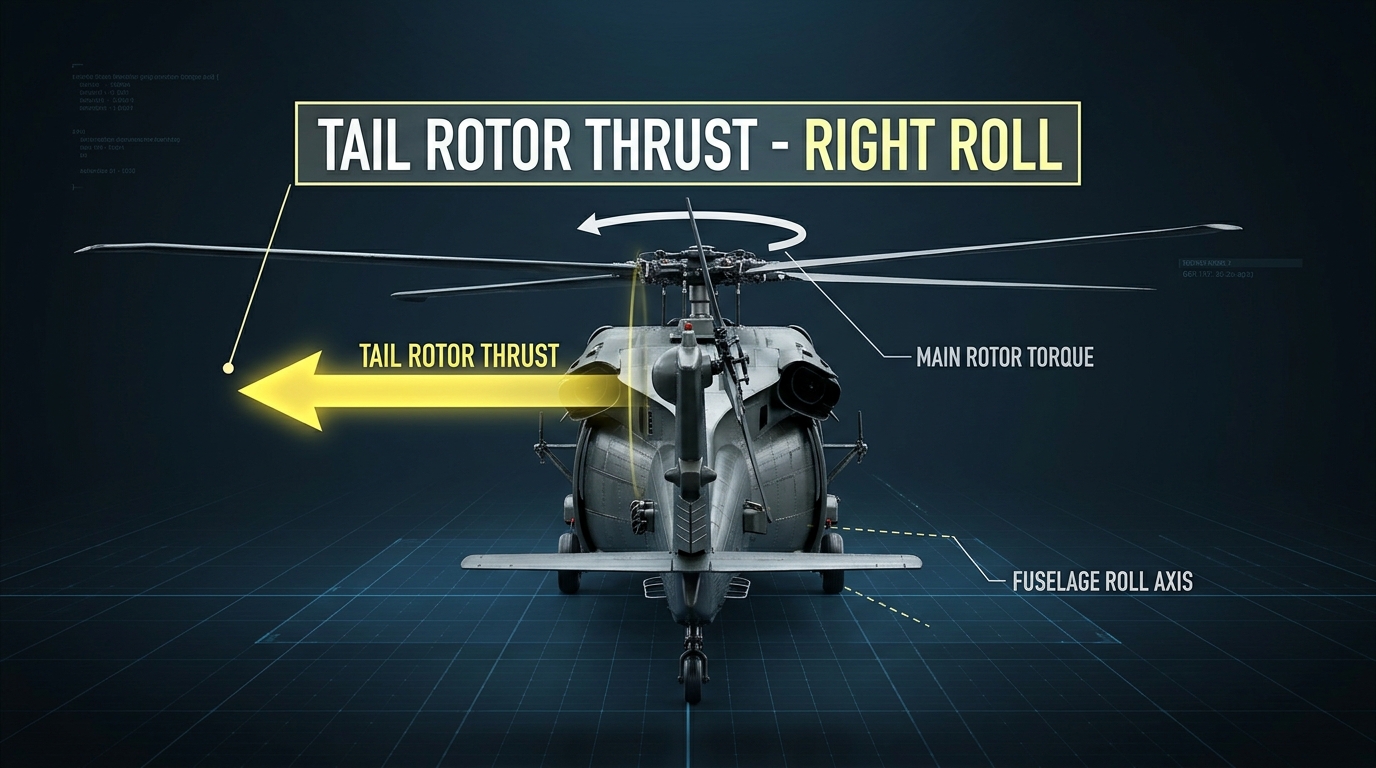
Teetering Rotor Mast Bumping & Low-G Pushover Hazard Plate 4
Plate 4: Teetering Rotor Mast Bumping & Low-G Pushover Hazard
Teetering Rotor Mast Bumping & Low-G Pushover Hazard Plate 5
Plate 5: Teetering Rotor Mast Bumping & Low-G Pushover Hazard
Teetering Rotor Mast Bumping & Low-G Pushover Hazard Plate 6
Plate 6: Teetering Rotor Mast Bumping & Low-G Pushover Hazard

Aerodynamic & Operational Physics

CASA & FAA Exam Gotcha Alert

CASA / FAA Exam Trap: NEVER apply lateral cyclic to correct roll during low-G condition. You MUST apply gentle aft cyclic first to reload the rotor disc.

Frequently Asked Questions & Exam Explanations

What causes mast bumping on semi-rigid helicopters?

Low-G weightless conditions combined with lateral cyclic input causing rotor flapping to exceed mechanical mast clearances.

Master Teetering Rotor Mast Bumping & Low-G Pushover Hazard in the Simulator

Drill targeted CASA and FAA exam questions with step-by-step mathematical decoders and regulatory clause links.

Take free CASA diagnostic test →