CASA Ref: CASR Part 61 MOS Schedule 3 CLWA / COPA · FAA Ref: FAA-S-ACS-6C Area I Task C (Weight & Balance)
Scenario & Physics Summary
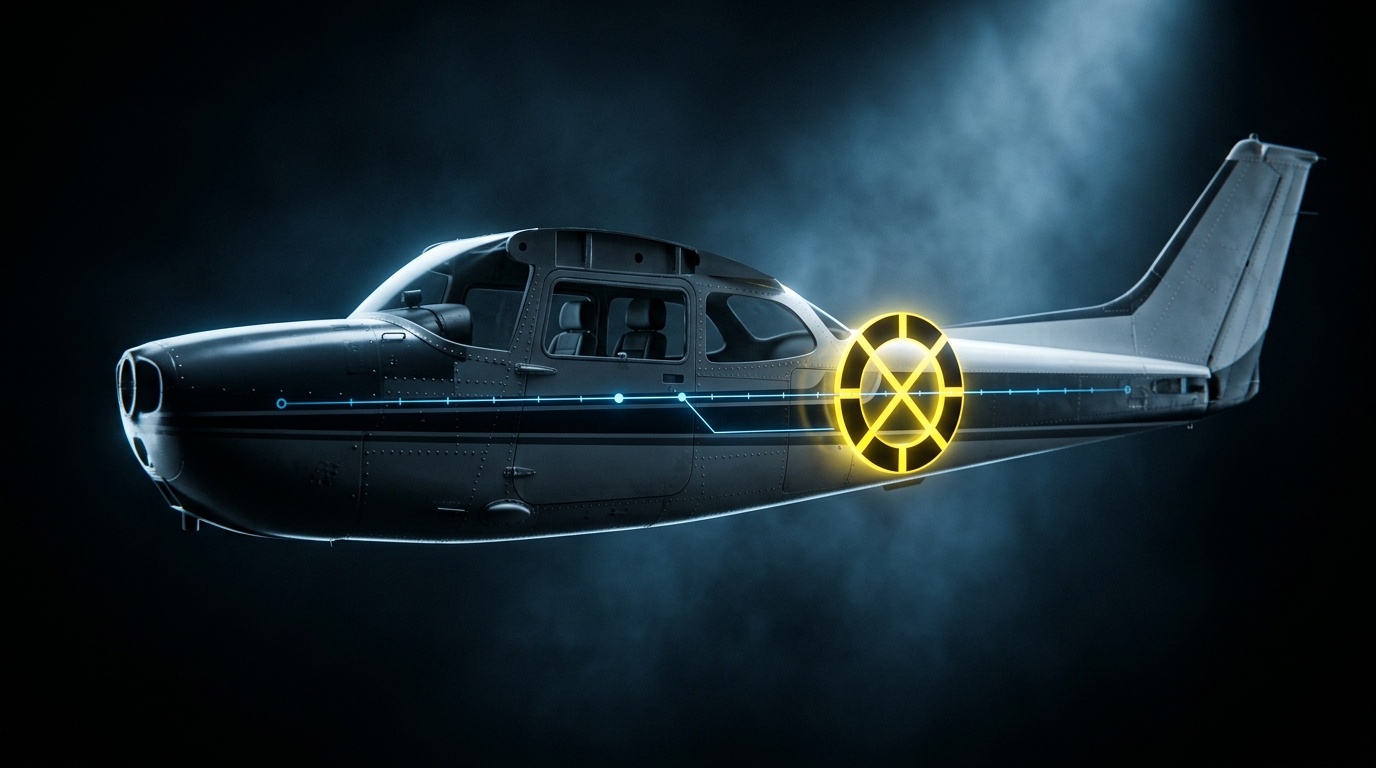
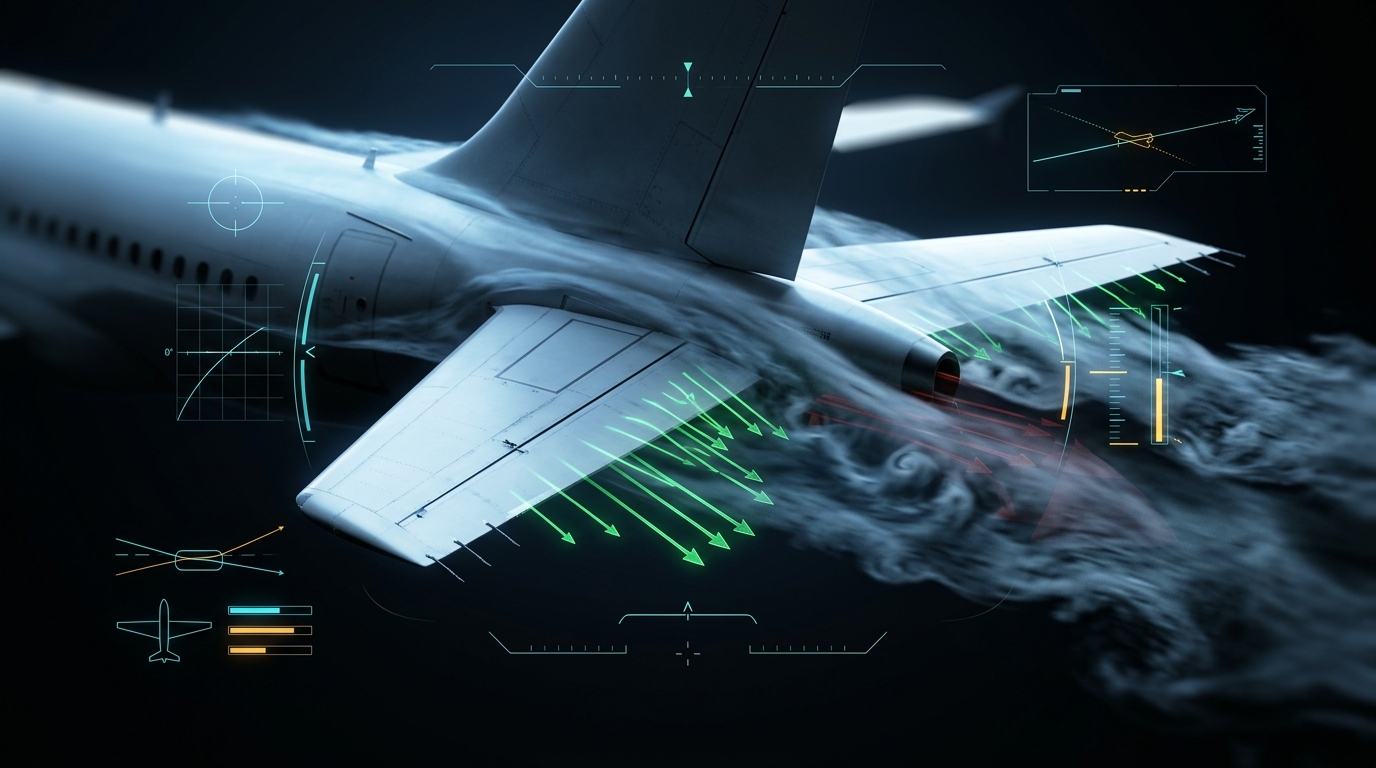
An aft center of gravity reduces elevator control authority, decreases stall speed artificially, but renders stall recovery extremely difficult or impossible due to reduced tail down force arm.
Interactive 3D Visual Plates & Scenario Media
Plate 1: Aft Center of Gravity (CG) Stall & Spin Trap
Plate 2: Aft Center of Gravity (CG) Stall & Spin Trap
Plate 3: Aft Center of Gravity (CG) Stall & Spin Trap
Plate 4: Aft Center of Gravity (CG) Stall & Spin Trap
Aerodynamic & Operational Physics
Moving the CG aft shortens the moment arm between CG and center of lift, requiring less downward tail force.
Reduced tail down force lowers total drag and decreases power-off stall speed slightly.
However, pitch stability is severely degraded. When stalled, the elevator may lack sufficient forward authority to pitch the nose down below the horizon.
CASA & FAA Exam Gotcha Alert
Exam Trap: Candidates often assume an aft CG is safer because stall speed is lower. In reality, spin recovery characteristics are violently degraded, risking flat spins.
Frequently Asked Questions & Exam Explanations
How does an aft CG affect aircraft pitch stability?
An aft CG decreases the longitudinal static stability arm, making the controls lighter, highly responsive, and prone to pitch divergence during turbulence or stalls.
Why is stall recovery harder with an aft center of gravity?
Because the tail down force arm is shortened, forward elevator input creates significantly less pitch-down moment to break the stall angle of attack.
Master Aft Center of Gravity (CG) Stall & Spin Trap in the Simulator
Drill targeted CASA and FAA exam questions with step-by-step mathematical decoders and regulatory clause links.
 Aero Academic