Helicopter Dynamics · AERO
Effective Translational Lift (ETL) Aerodynamic Transition
CASA Ref: CASR Part 61 MOS Schedule 3 AD(H) 1.2 · FAA Ref: FAA-S-ACS-15 Area I Task E (Helicopter Aerodynamics)
Scenario & Physics Summary
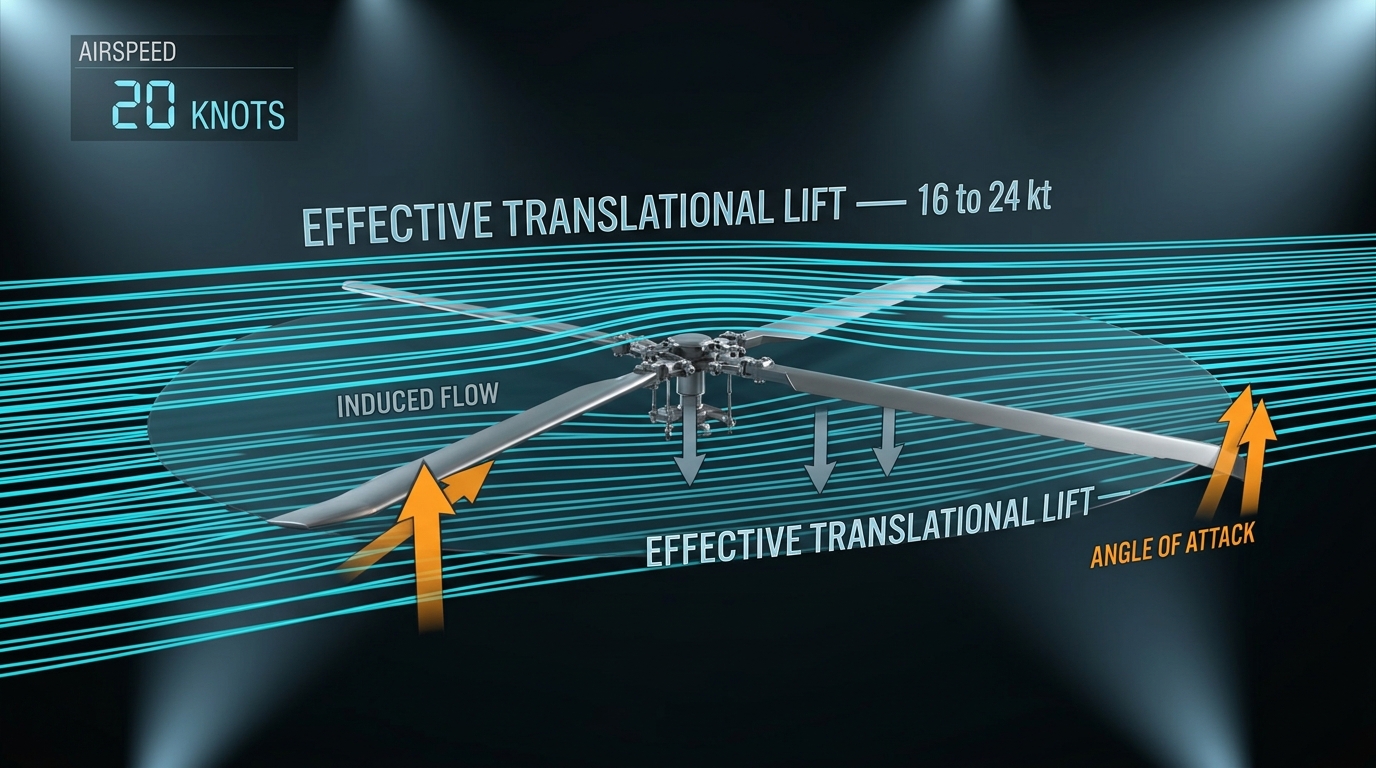
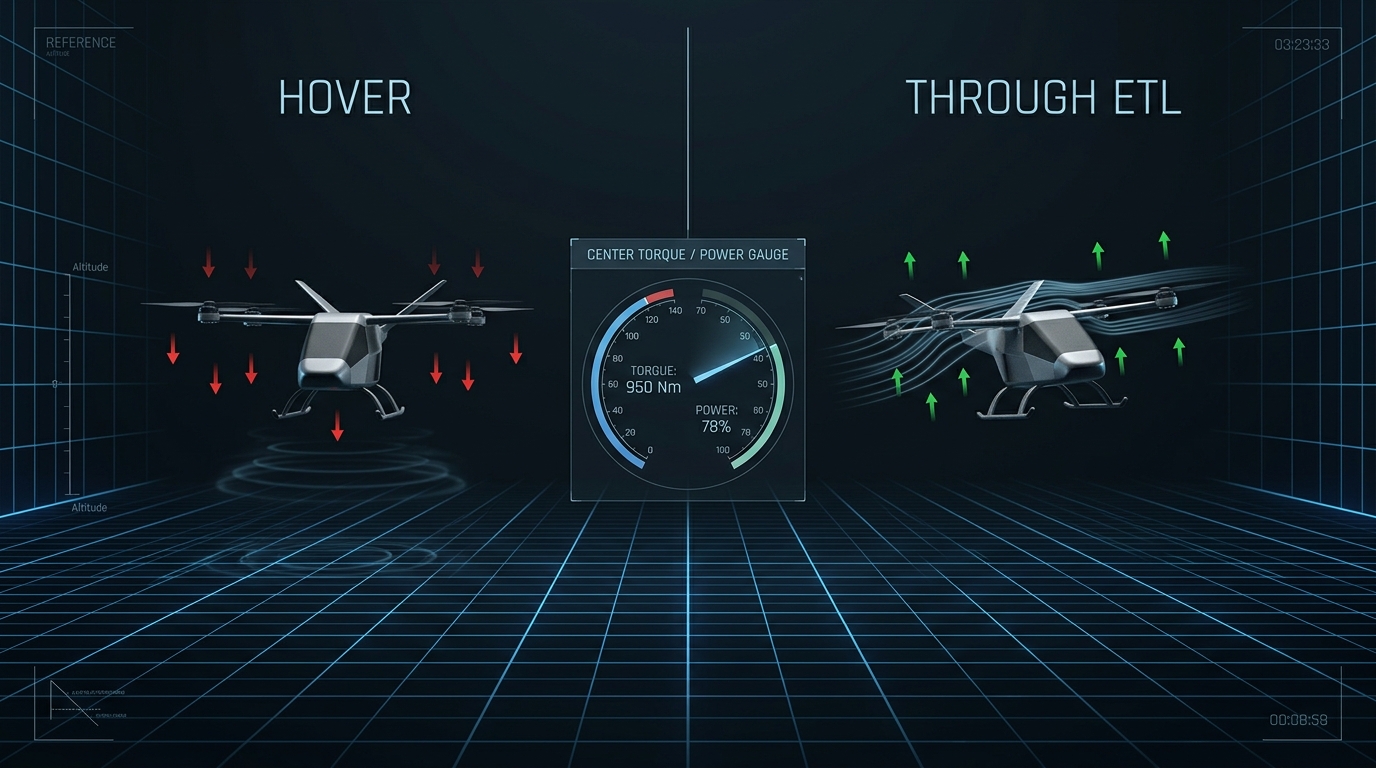
Transitioning from hover into forward flight at 16-24 knots as the rotor disc leaves its own downwash recirculation and gains clean, horizontal airflow.
Interactive 3D Visual Plates & Scenario Media
Your browser does not support HTML5 video.
Plate 1: Effective Translational Lift (ETL) Aerodynamic Transition
Plate 2: Effective Translational Lift (ETL) Aerodynamic Transition
Plate 3: Effective Translational Lift (ETL) Aerodynamic Transition
Plate 4: Effective Translational Lift (ETL) Aerodynamic Transition
Plate 5: Effective Translational Lift (ETL) Aerodynamic Transition
Plate 6: Effective Translational Lift (ETL) Aerodynamic Transition
Aerodynamic & Operational Physics
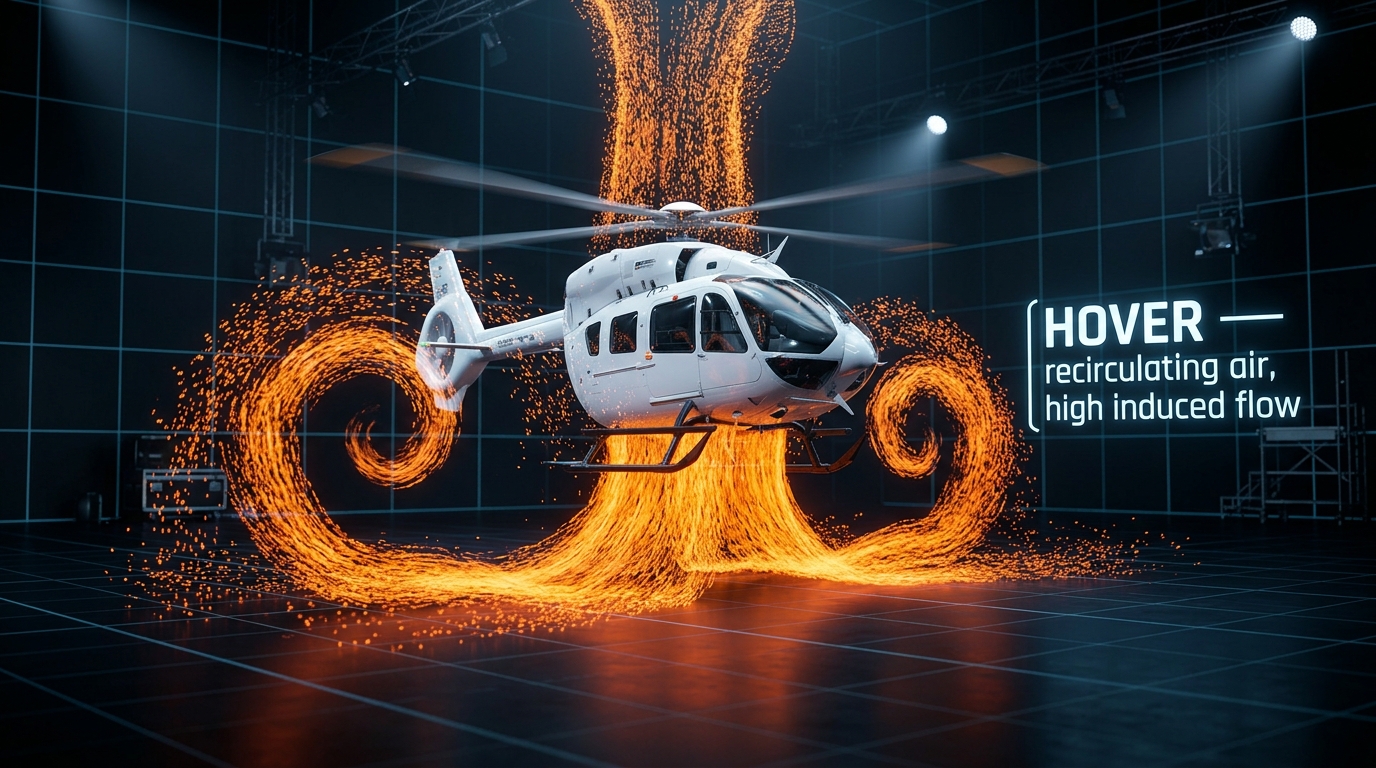
In hover, rotor recirculation and induced flow create large vortices and high drag.
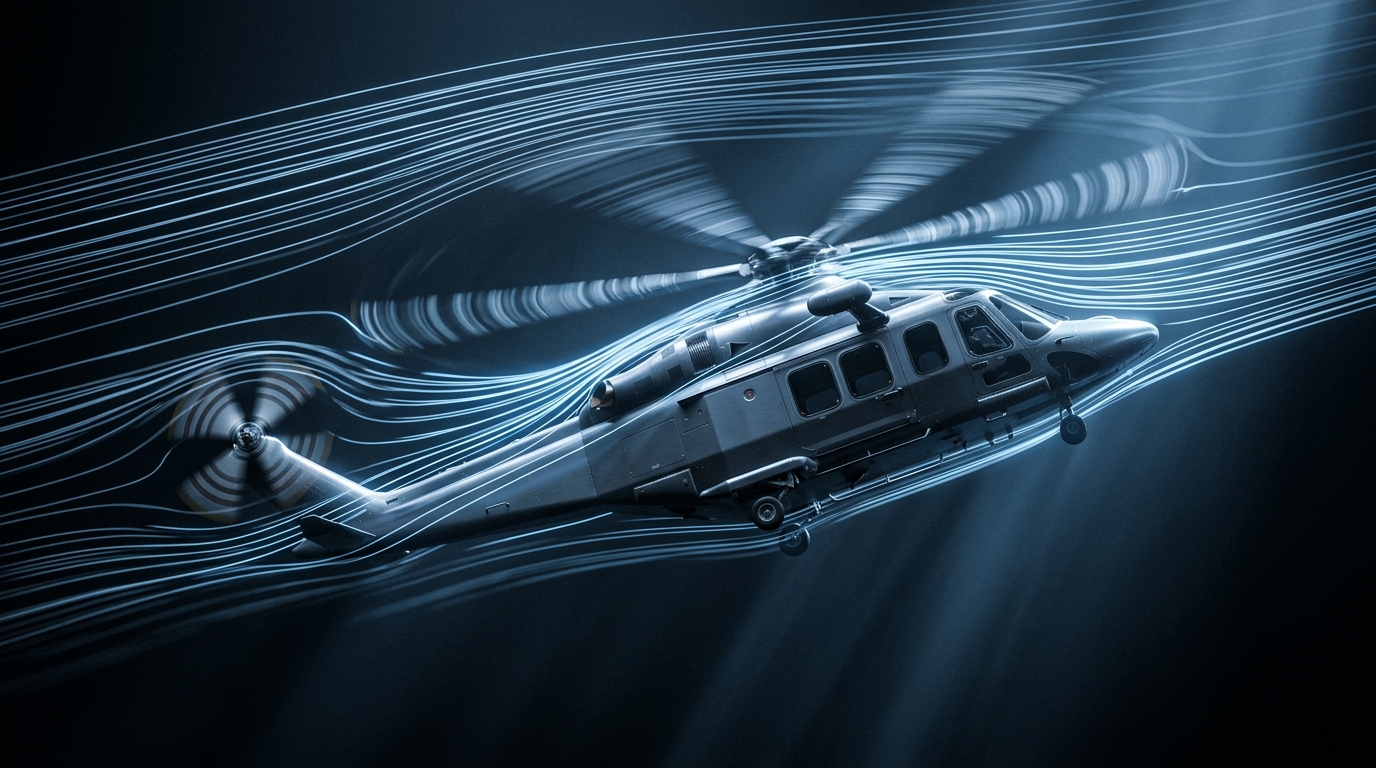
At 16-24 knots (ETL speed), clean airflow enters the rotor disc, reducing induced flow and vortex drag.
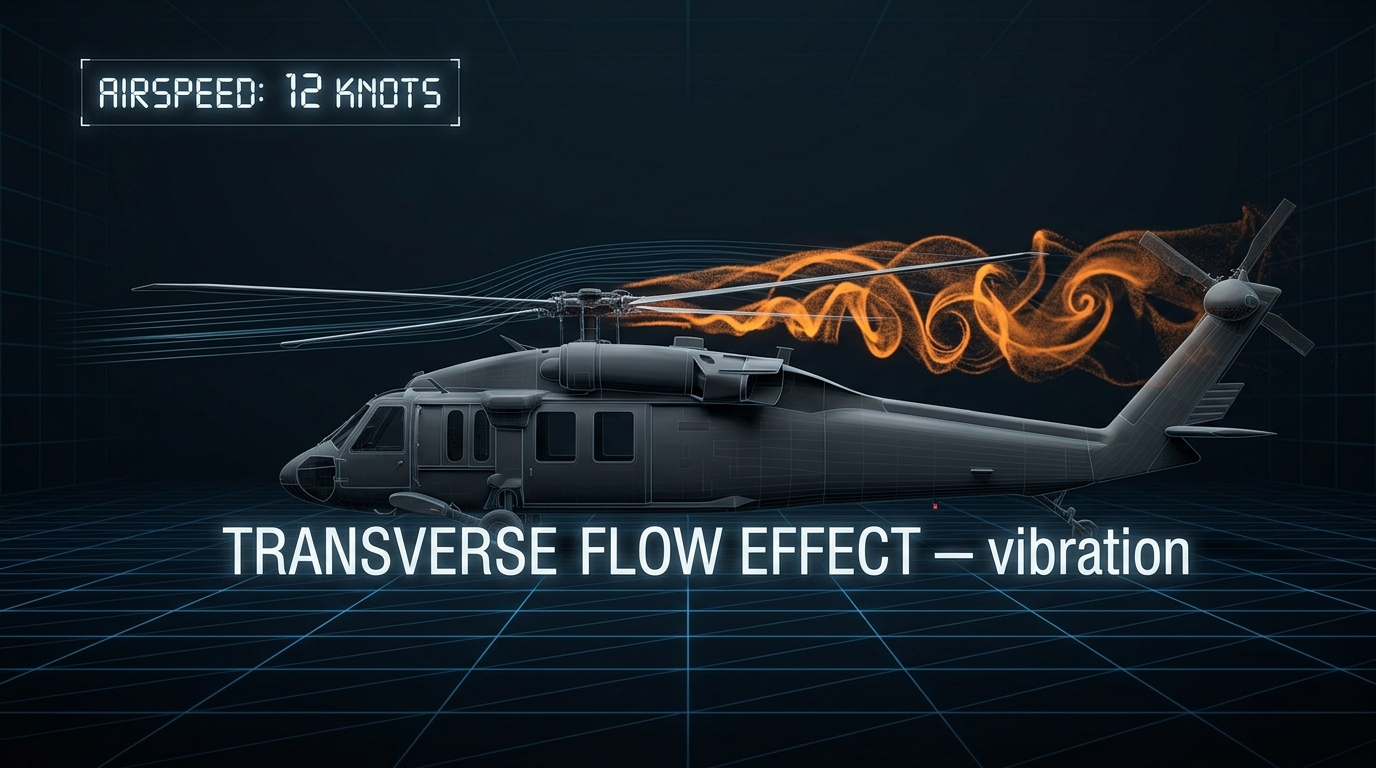
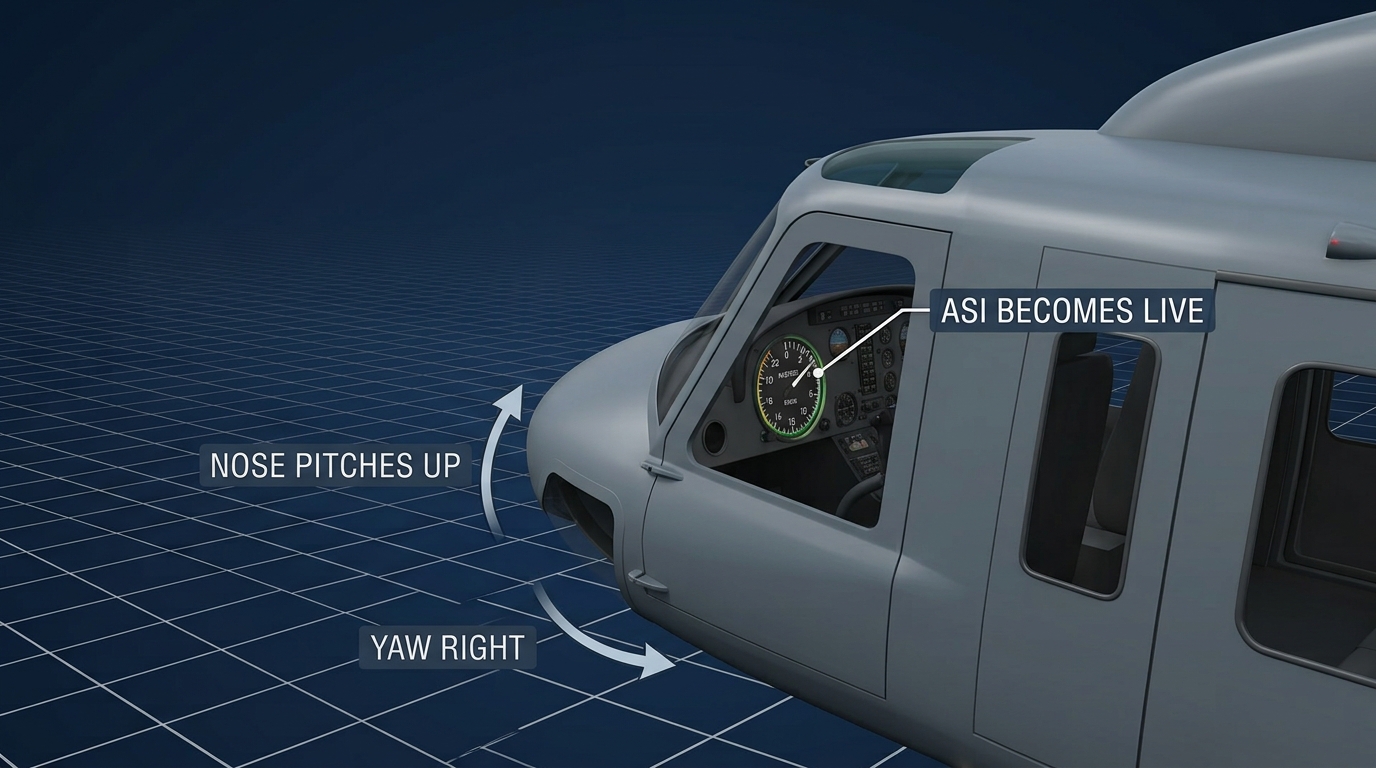
Helicopter pitches up and rolls right (due to transverse flow and flapback). Forward cyclic required to maintain climb attitude.
CASA & FAA Exam Gotcha Alert
Exam Trap: ETL occurs at 16-24 knots regardless of forward, rearward, or sideward flight direction relative to wind.
Frequently Asked Questions & Exam Explanations
At what airspeed range does Effective Translational Lift (ETL) occur?
Between 16 and 24 knots of relative airspeed across the rotor disc.
Master Effective Translational Lift (ETL) Aerodynamic Transition in the Simulator
Drill targeted CASA and FAA exam questions with step-by-step mathematical decoders and regulatory clause links.
Take free CASA diagnostic test →
 Aero Academic