Aerodynamics · AERO
Propeller Asymmetric Blade Loading (P-Factor)
CASA Ref: CASR Part 61 MOS Schedule 3 CADA 1.2 · FAA Ref: FAA-S-ACS-6C Area I Task E (Aerodynamics)
Scenario & Physics Summary
At high angles of attack, the downward-moving propeller blade produces more thrust than the upward-moving blade, yawing the airplane LEFT.
Interactive 3D Visual Plates & Scenario Media
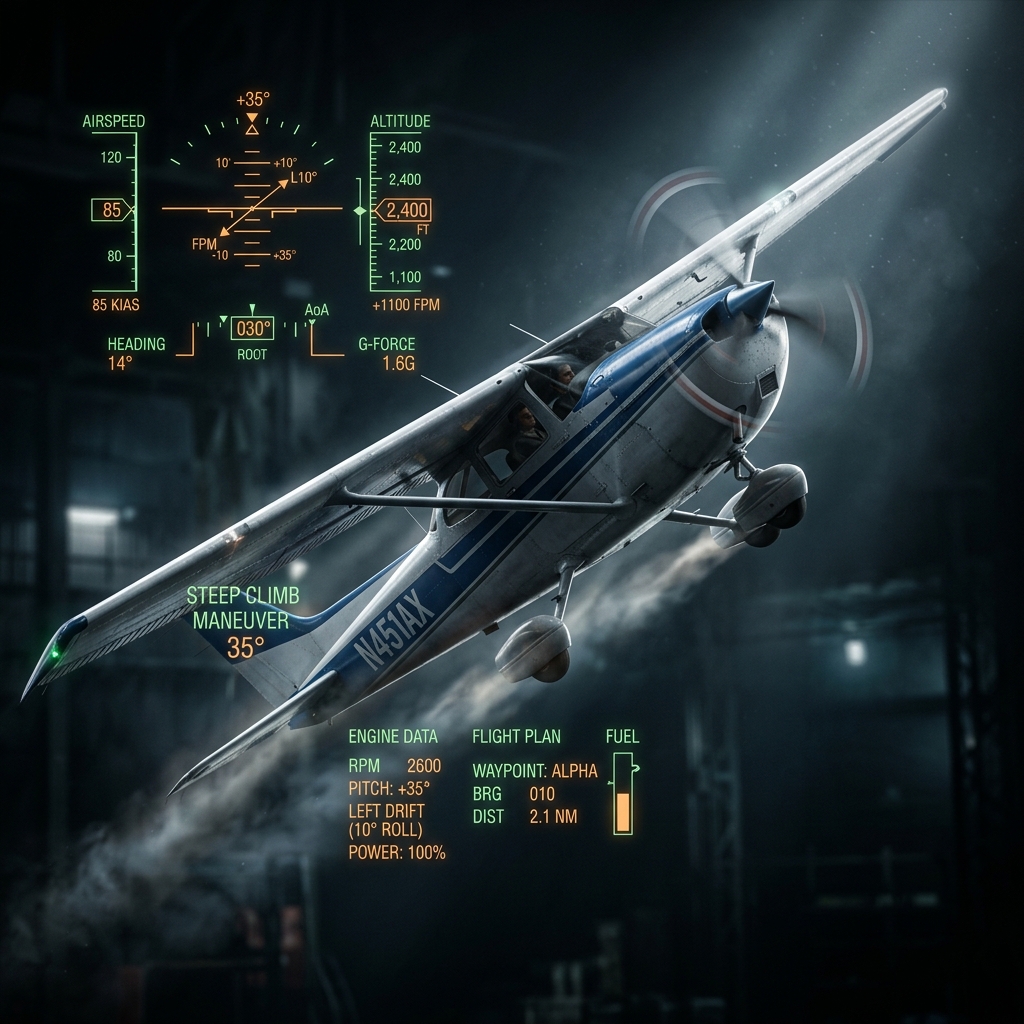
Plate 1: Propeller Asymmetric Blade Loading (P-Factor)
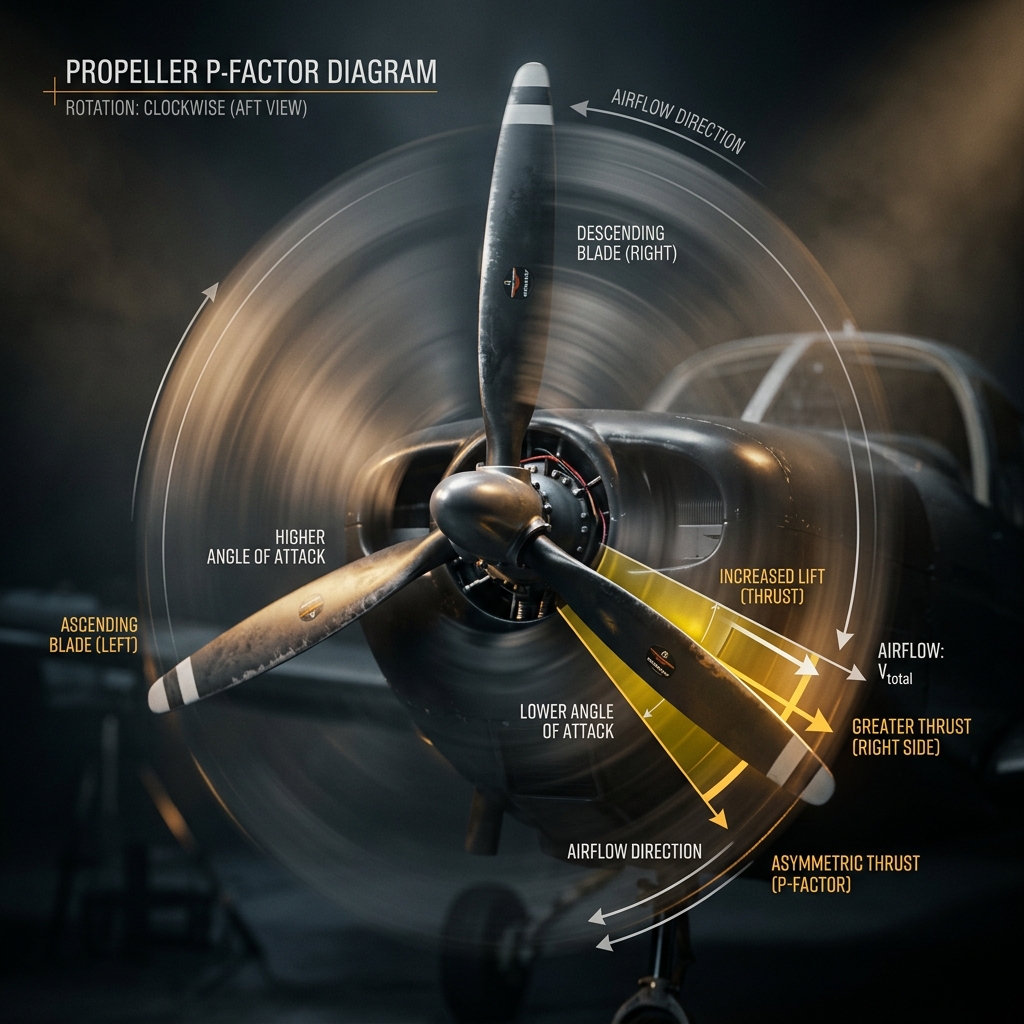
Plate 2: Propeller Asymmetric Blade Loading (P-Factor)
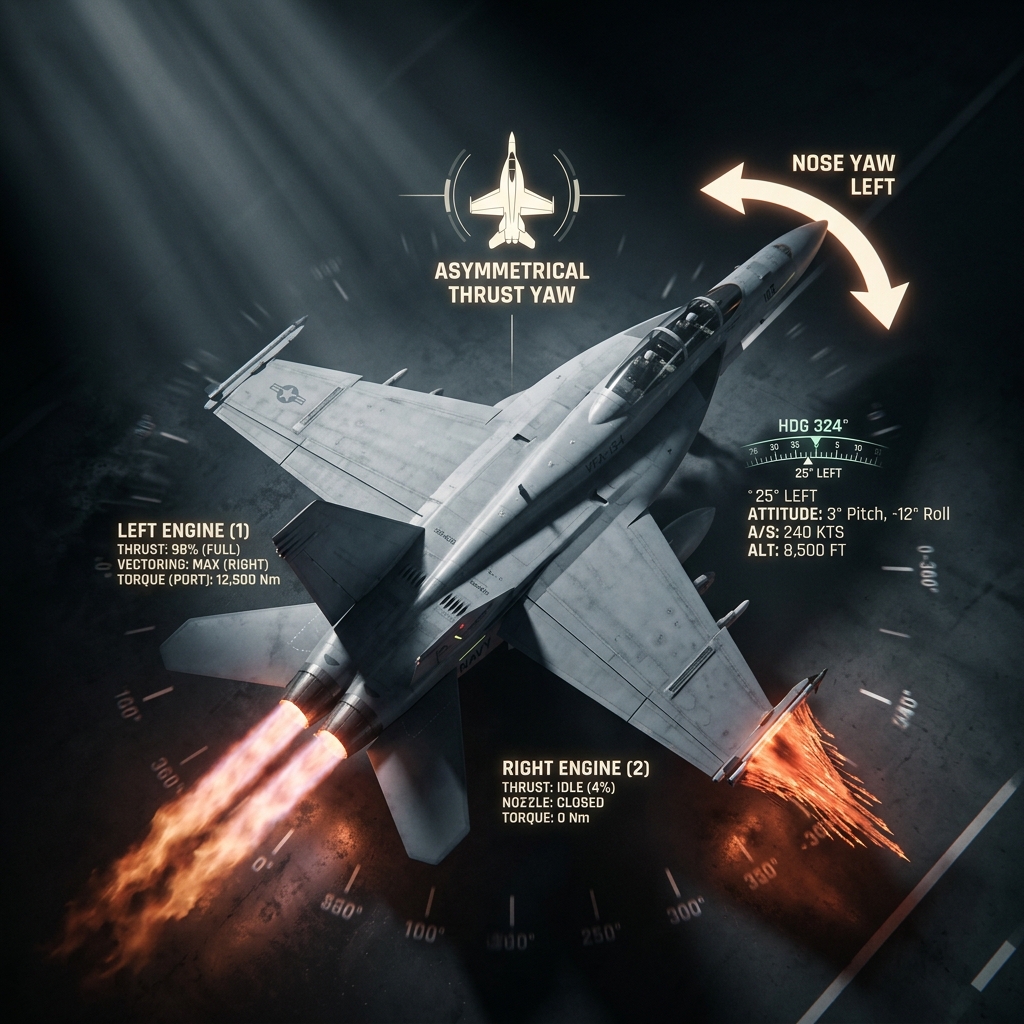
Plate 3: Propeller Asymmetric Blade Loading (P-Factor)
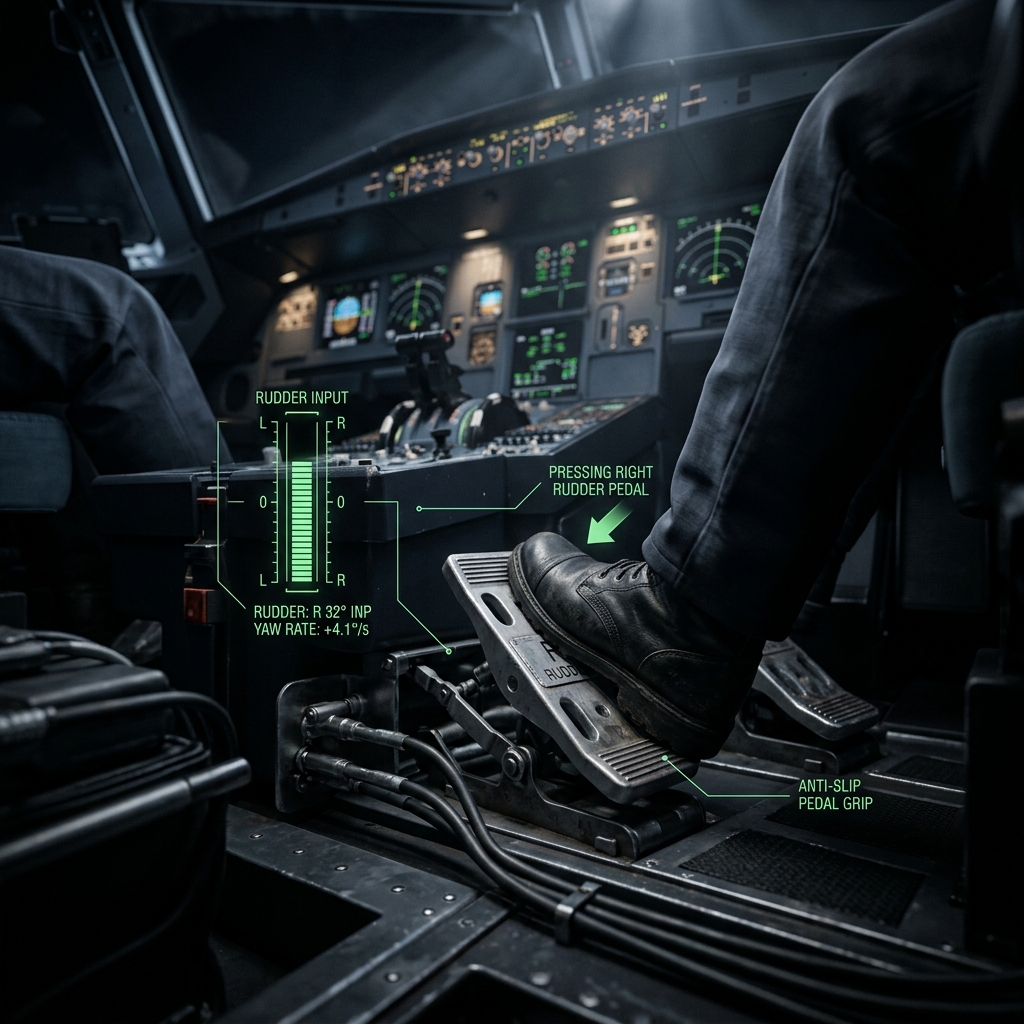
Plate 4: Propeller Asymmetric Blade Loading (P-Factor)

Plate 5: Propeller Asymmetric Blade Loading (P-Factor)
Aerodynamic & Operational Physics
- In high pitch attitudes (climb), relative wind meets the prop disc at an angle.
- Downward-moving blade (right side on standard clock-wise US/AU engines) has higher relative airspeed and higher Angle of Attack.
- Right side produces greater thrust moment, creating left yaw. Requires RIGHT RUDDER input in climb.
CASA & FAA Exam Gotcha Alert
Exam Trap: P-Factor is greatest at HIGH angle of attack, HIGH power, and LOW airspeed (such as climb-out or slow flight).
Frequently Asked Questions & Exam Explanations
When is P-Factor most pronounced?
During high power, low airspeed, and high pitch angle of attack conditions like takeoff and climb.
Master Propeller Asymmetric Blade Loading (P-Factor) in the Simulator
Drill targeted CASA and FAA exam questions with step-by-step mathematical decoders and regulatory clause links.
Take free CASA diagnostic test →
 Aero Academic